


Pull to refresh
Logo
Charged raindrops corrode coated metal, researchers find

Charged raindrops corrode coated metal, researchers find

New Capabilities

Sliding droplets build static charge, then discharge like microscopic lightning that punctures protective layers

2 days ago: Discovery reaches a wider audience

Overview

Updated Yesterday

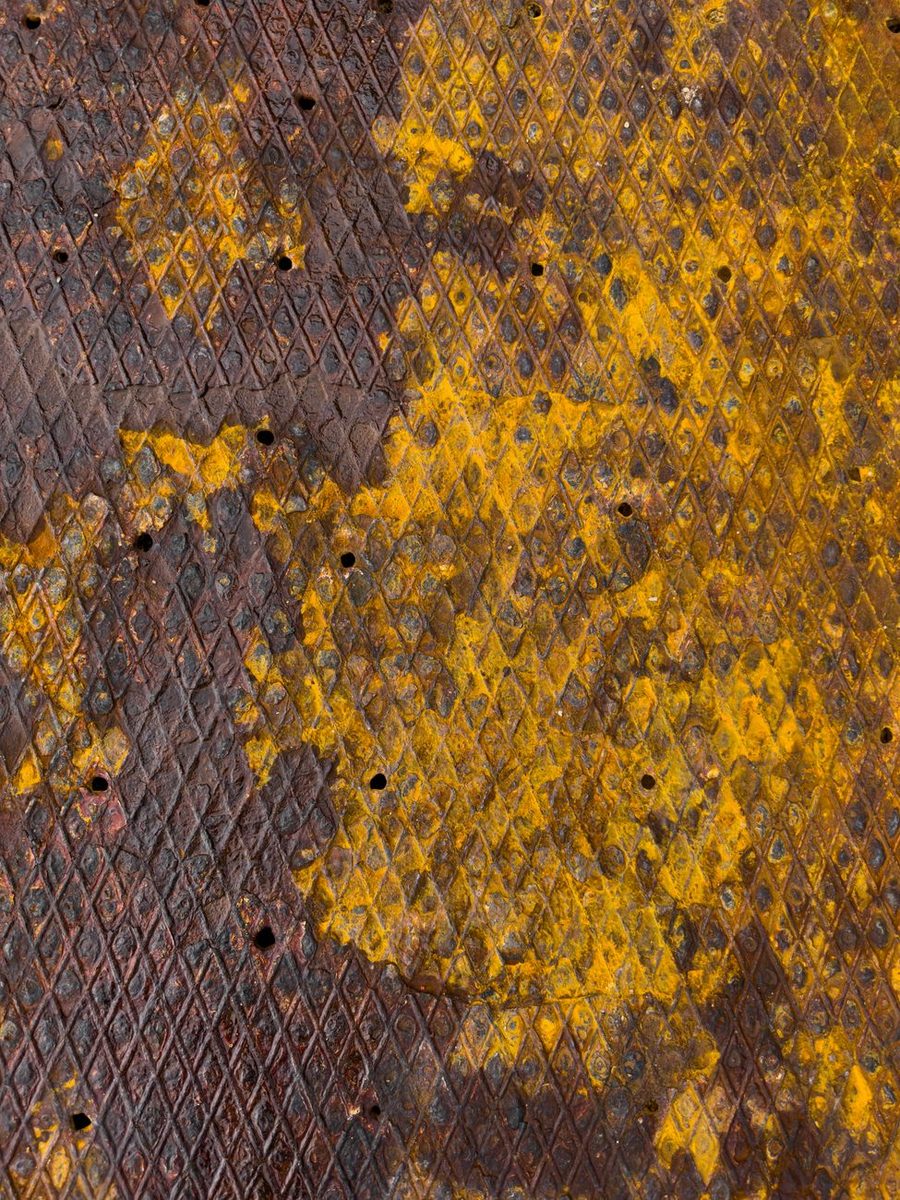
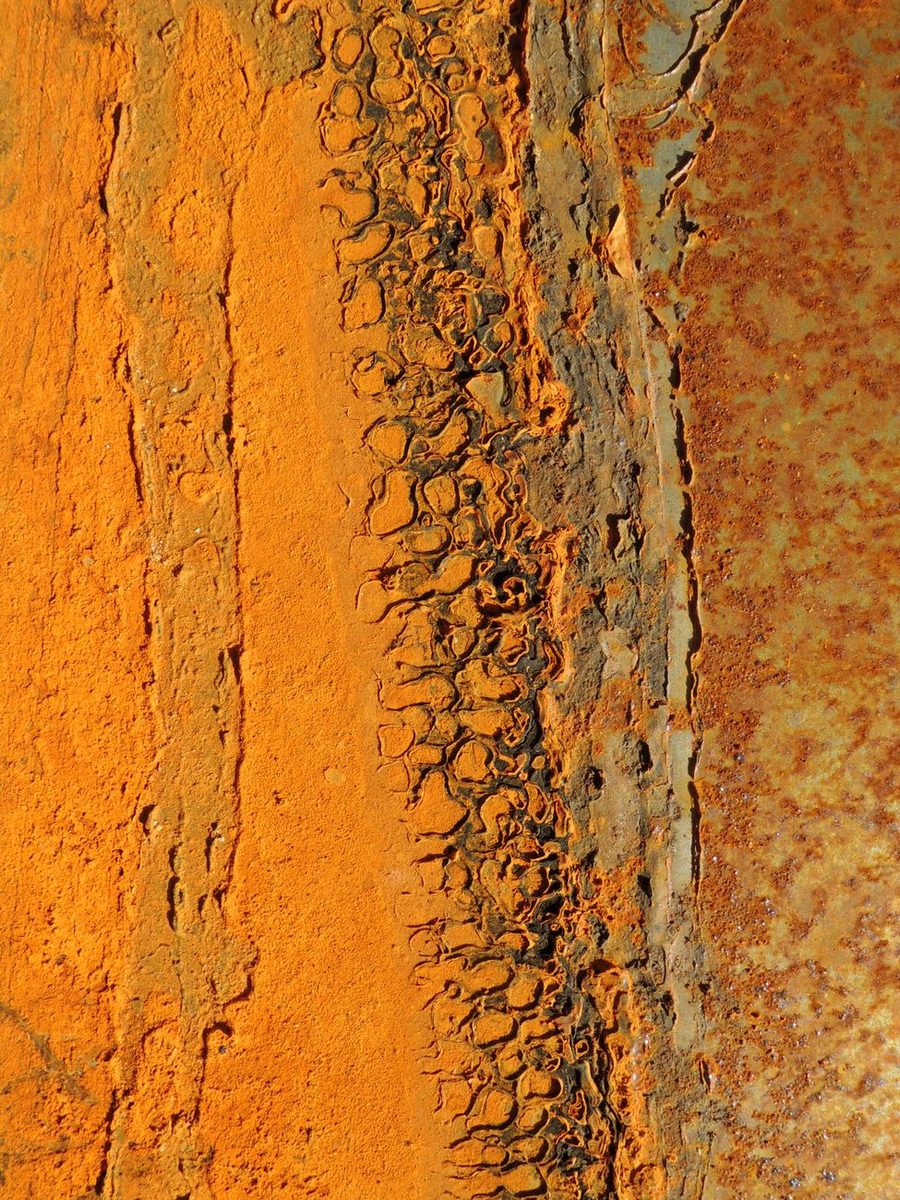
Every seven years, workers repaint the Eiffel Tower by hand to keep rust from eating its iron. A new study identifies an overlooked culprit: raindrops that carry static charge until they strike a surface.

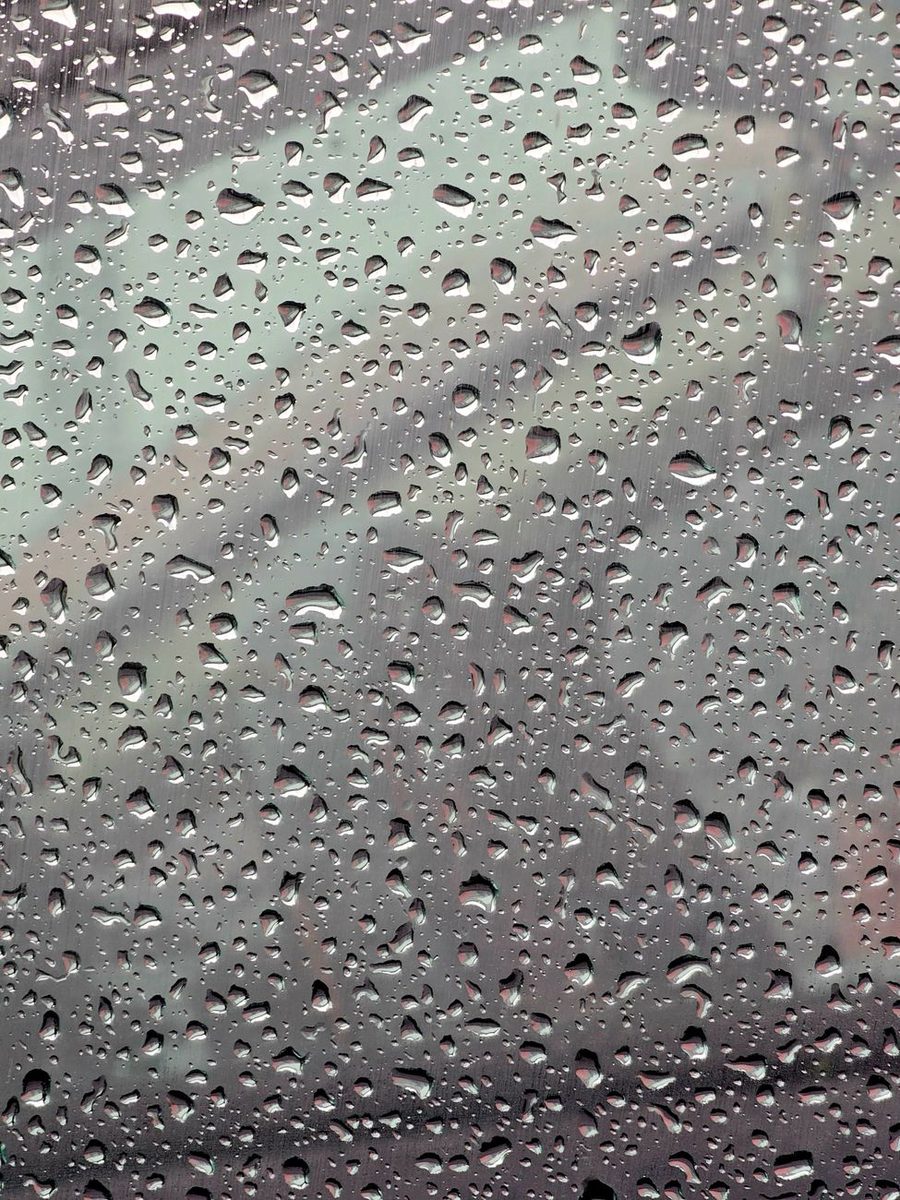
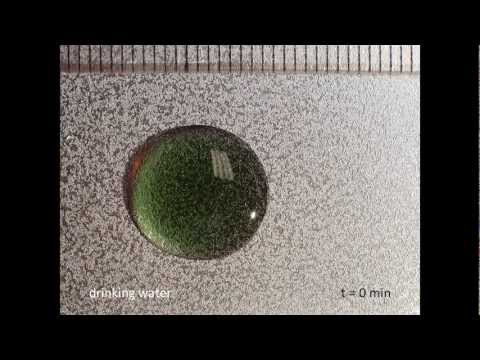
Researchers at the Max Planck Institute for Polymer Research showed that droplets sliding over a surface pick up electric charge. When a charged drop hits coated metal, it discharges like a tiny lightning bolt, puncturing the protective layer and starting corrosion underneath. The finding was published in Nature.

Why it matters

Charged raindrops may corrode buildings, monuments, and vehicles faster than scientists previously measured, pushing engineers to redesign protective coatings.

Questions about this story

Free account needed to ask — your question is kept and asked for you right after sign-up. Answers are public.

No questions yet — be the first to ask.

Key Indicators

>1 kV
Electric potential of charged droplets
Drops sliding over surfaces can carry voltage high enough to break down a thin coating.
3,000
Drops needed to corrode Teflon-coated copper
After 3,000 charged drops struck the coating, film and copper showed corrosion; uncharged drops left no damage.
0.2–2 nC
Charge picked up by a sliding drop
Depends on the surface the drop moved over, from a leaf to roof sheeting to a hydrophobic coating.
60 nm
Thickness of Teflon coating tested
Far thinner than industrial coatings on cars and ships, which run about 100 microns.

Voices

Curated perspectives — historical figures and your fellow readers.

Ever wondered what historical figures would say about today's headlines?

Sign up to generate historical perspectives on this story.

People Involved

Organizations Involved

Timeline

August 2026 September 2026

2 events Latest: 2 days ago
  1. Discovery reaches a wider audience

    Latest Media

    ScienceDaily reports the finding, noting implications for tougher coatings on cars, bridges, and buildings.

  2. Nature publishes charged-droplet corrosion study

    Publication

    Researchers show charged droplets puncture protective coatings and corrode underlying metal in controlled experiments.

Scenarios

1

Coatings makers develop discharge-resistant layers

Possible Resolves by End of 2027

Discussed by: Chemical & Engineering News reporters and the study authors

Material scientists design coatings with higher dielectric strength, or surfaces that reduce droplet charging by controlling chemistry, wettability, and electrical properties. If field data confirm the mechanism on real structures, commercial products would follow.

2

Field studies confirm the mechanism on real structures

Possible Resolves by Q2 2028

Discussed by: The study authors, whose paper suggests the mechanism contributes to degradation of cultural heritage sites, buildings, ships, and cars

Researchers run controlled outdoor trials on monuments or building facades, measuring whether naturally charged rain accelerates coating failure. Positive results would push the mechanism into the standard corrosion models engineers use to design and maintain structures.

3

Mechanism stays limited to thin laboratory coatings

Likely Resolves by Q2 2028

Discussed by: Hans-Jürgen Butt in Physics World

Industrial coatings on cars, ships, and bridges are roughly 100 microns thick, over a thousand times thicker than the 60-nanometer Teflon films tested. If follow-up work shows thick coatings shrug off the discharge, the finding applies mainly to thin-film applications.

Historical Context

2 moments from history that rhyme with this story — and how they unfolded.

1824

Galvanic corrosion studies (1824)

Sir Humphry Davy investigated why copper sheathing on Royal Navy warships rotted quickly in seawater. He found the copper corroded electrically when coupled with other metals, establishing that corrosion could be an electrochemical process, not just a chemical one.

Then

Davy attached zinc and iron 'protectors' to copper hulls, slowing decay in port trials.

Now

His work launched cathodic protection, now standard for pipelines, ships, and storage tanks.

Why this matters now

Like Davy's discovery, today's finding identifies an electrical corrosion mechanism that had not been measured before, with potential for new protection strategies.

1970s–1980s

Acid rain and building stone (1970s–1980s)

Scientists linked acid rain from coal and industrial sulfur emissions to accelerated decay of limestone and marble on historic buildings across Europe and North America. Monuments from Paris to Washington showed pitting and erosion.

Then

The 1990 Clean Air Act amendments in the US capped sulfur dioxide emissions, cutting acid rain sharply.

Now

Wet deposition became a recognized degradation mechanism for cultural heritage, driving protective coatings and maintenance schedules.

Why this matters now

Like acid rain, charged rain droplets are a wet-deposition mechanism that attacks protective layers on real infrastructure, and until now were not part of corrosion models.

Sources

(10)