
Pull to refresh
Logo
Researchers convert mixed plastic waste into hydrogen fuel

Researchers convert mixed plastic waste into hydrogen fuel

New Capabilities

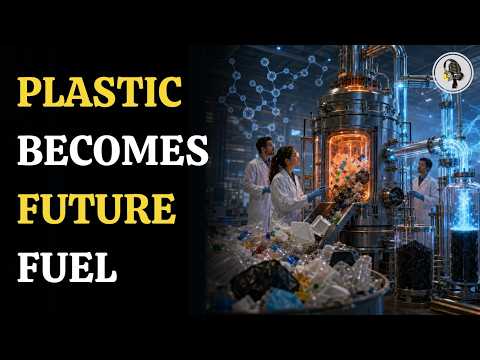
A UCLA-Ewha team pulls high-purity hydrogen from unsorted plastic and locks the carbon into solid mineral

July 29th, 2026: Findings reported widely

Overview

Updated Aug 8

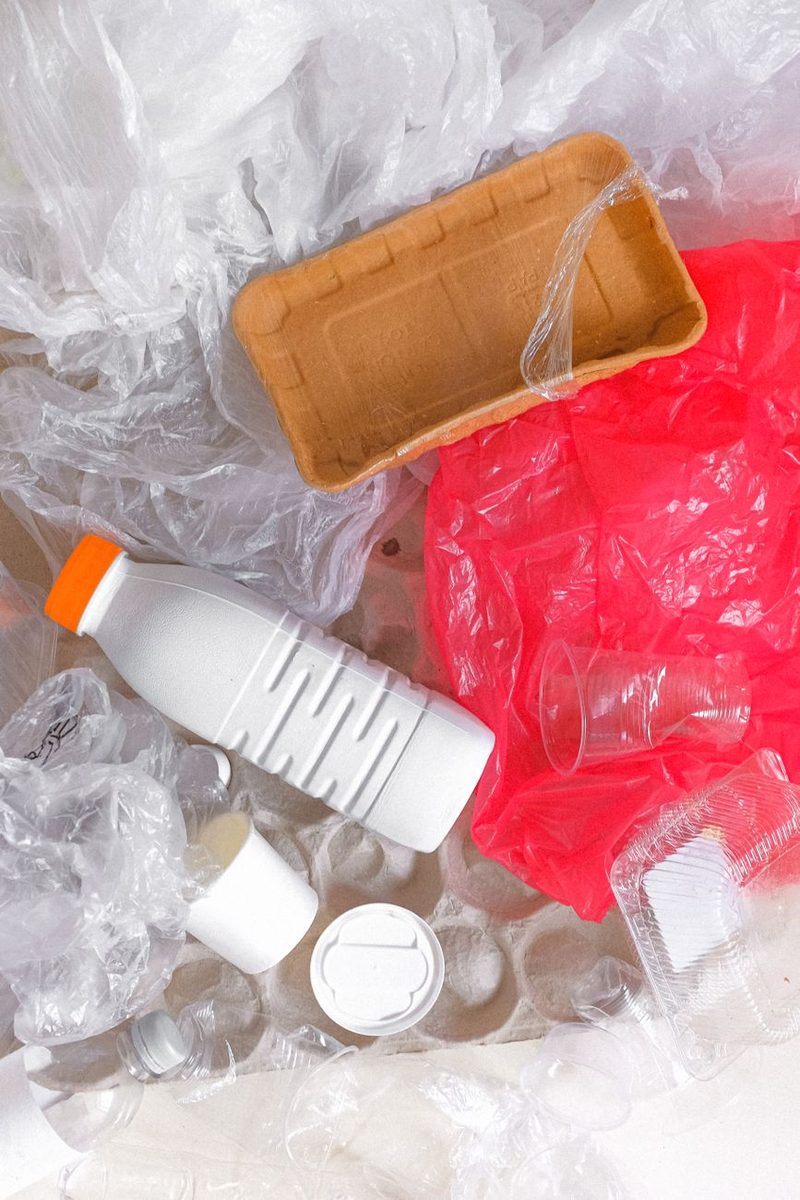
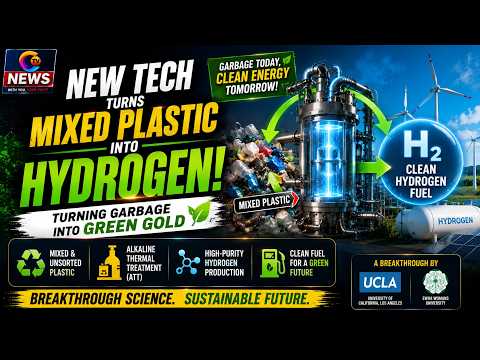
Toss a water bottle, a shopping bag and a yogurt tub into one reactor, unsorted, and draw off hydrogen more than 90% pure. That is what a team led by UCLA and South Korea's Ewha Womans University demonstrated in a study published July 28, 2026.

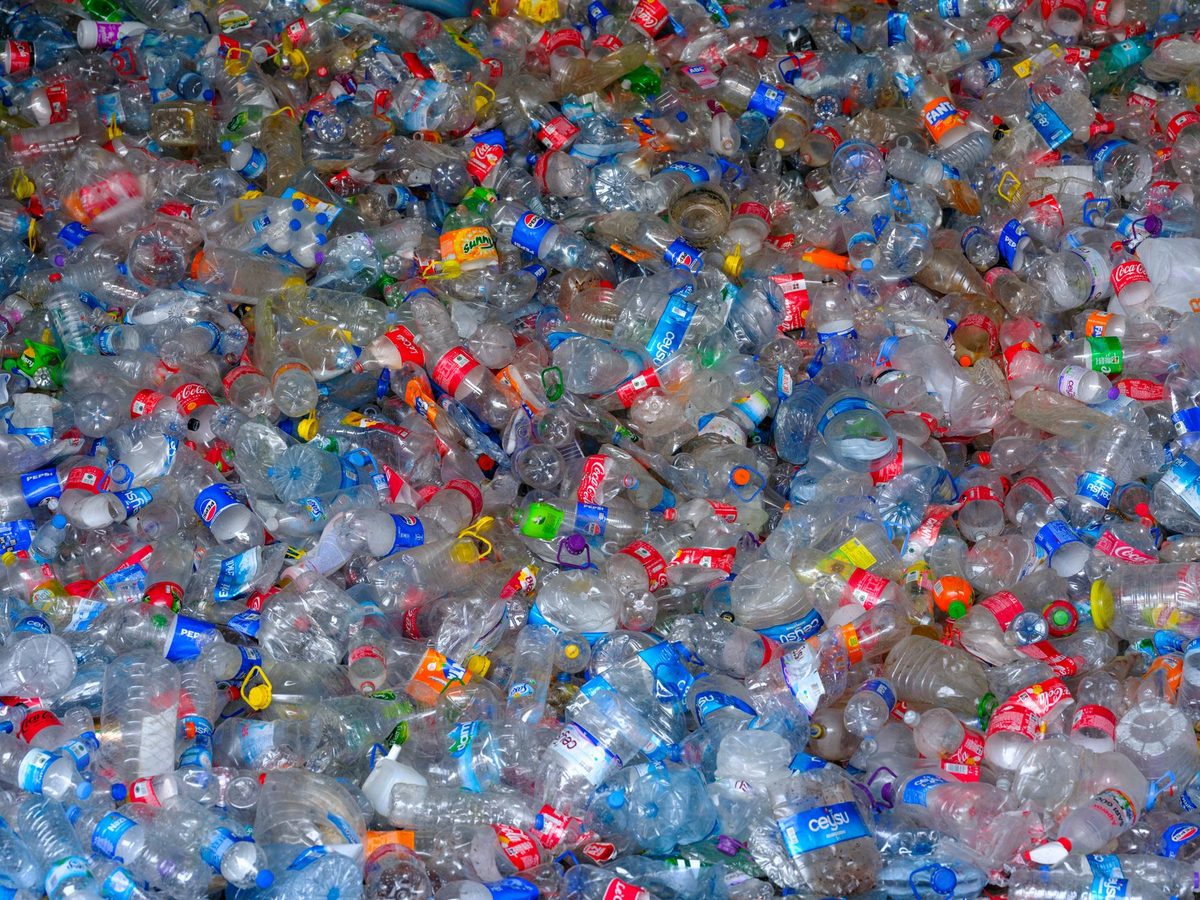
Today, 98% of the world's hydrogen comes from natural gas, and only about 9% of plastic gets recycled. This process aims at both problems at once. It also traps the plastic's carbon as a solid mineral instead of venting it as carbon dioxide.

Why it matters

If it scales, everyday plastic trash could become clean fuel and permanent carbon storage, instead of landfill, ocean litter, or smokestack emissions.

Questions about this story

Free account needed to ask — your question is kept and asked for you right after sign-up. Answers are public.

No questions yet — be the first to ask.

Key Indicators

90%+
Hydrogen purity
Purity of hydrogen gas drawn from unsorted mixed plastic waste.
300-400°C
Lower reaction temperature
The reaction runs hundreds of degrees below conventional steam gasification.
98%
Hydrogen from natural gas today
Almost all hydrogen is now made from fossil gas, releasing carbon dioxide.
~9%
Global plastic recycling rate
After losses, only about 9% of plastic waste is ultimately recycled, per the OECD.

Voices

Curated perspectives — historical figures and your fellow readers.

Ever wondered what historical figures would say about today's headlines?

Sign up to generate historical perspectives on this story.

People Involved

Organizations Involved

Timeline

February 2022 July 2026

3 events Latest: July 29th, 2026 · 1 month ago
  1. Findings reported widely

    Latest Coverage

    Science outlets cover the result, stressing two features: no sorting of plastic types, and reaction temperatures 300 to 400°C below conventional steam gasification.

  2. Study published in PNAS

    Research

    UCLA and Ewha Womans University report converting unsorted PET, polyethylene and polypropylene into hydrogen over 90% pure, while storing the carbon as solid mineral.

  3. OECD: global plastic recycling stuck near 9%

    Context

    The OECD's Global Plastics Outlook reports that, after losses, only about 9% of plastic waste is recycled worldwide. Most new plastic still comes from fossil fuels.

Scenarios

1

Team demonstrates a working pilot-scale reactor

Possible Resolves by End of 2028

Discussed by: UCLA Samueli, Ewha Womans University

The researchers say more work is needed to optimize the process and test its economics. A scaled demonstration, moving from bench glassware to a continuous pilot reactor handling kilograms of mixed waste, would be the first real sign the chemistry survives outside the lab.

2

A company licenses the process for commercial use

Uncertain Resolves by End of 2029

Discussed by: Industry trade press covering hydrogen and recycling

Clean hydrogen still costs several times more than fossil hydrogen, and the economics here are unproven. If a waste-management or energy firm sees a path to competitive cost, it could license the method or fund a joint venture. That would signal the process is more than an academic result.

3

Process stalls at lab stage on cost or energy grounds

Possible Resolves by End of 2029

Discussed by: Energy analysts weighing green-hydrogen economics

Many lab-stage fuel technologies never clear the cost hurdle. Sodium hydroxide is not free, and the pretreatment adds steps. If independent analysis or the team's own follow-up finds the energy and materials cost uncompetitive with cheaper hydrogen routes, the method may stay a published result without industrial uptake.

Historical Context

2 moments from history that rhyme with this story — and how they unfolded.

1955 onward

Sasol coal-to-liquids scale-up (1955)

South Africa's Sasol turned Fischer-Tropsch chemistry, known since the 1920s, into a full industry making liquid fuel from coal. It took massive capital and decades of engineering to move from lab reactions to plants.

Then

Sasol produced synthetic fuel at commercial scale, though only with heavy state backing.

Now

It proved carbon-conversion chemistry can industrialize, but also that scale-up is slow and cost-sensitive.

Why this matters now

Like the plastic-to-hydrogen work, the underlying chemistry was sound in the lab. The hard part, then and now, is cheap, continuous scale.

1990s

Curbside plastic recycling promise (1990s)

Plastics makers and cities promoted curbside recycling as the answer to plastic waste. Decades later, sorting costs and contamination kept the global recycling rate near 9%.

Then

Recycling bins spread across cities, and collection rose.

Now

Most collected plastic still ends up landfilled, burned, or shipped abroad, because sorting mixed plastic is expensive.

Why this matters now

A method that skips sorting attacks the exact bottleneck that has kept plastic recycling stuck for 30 years.

Sources

(6)