

Pull to refresh
Logo
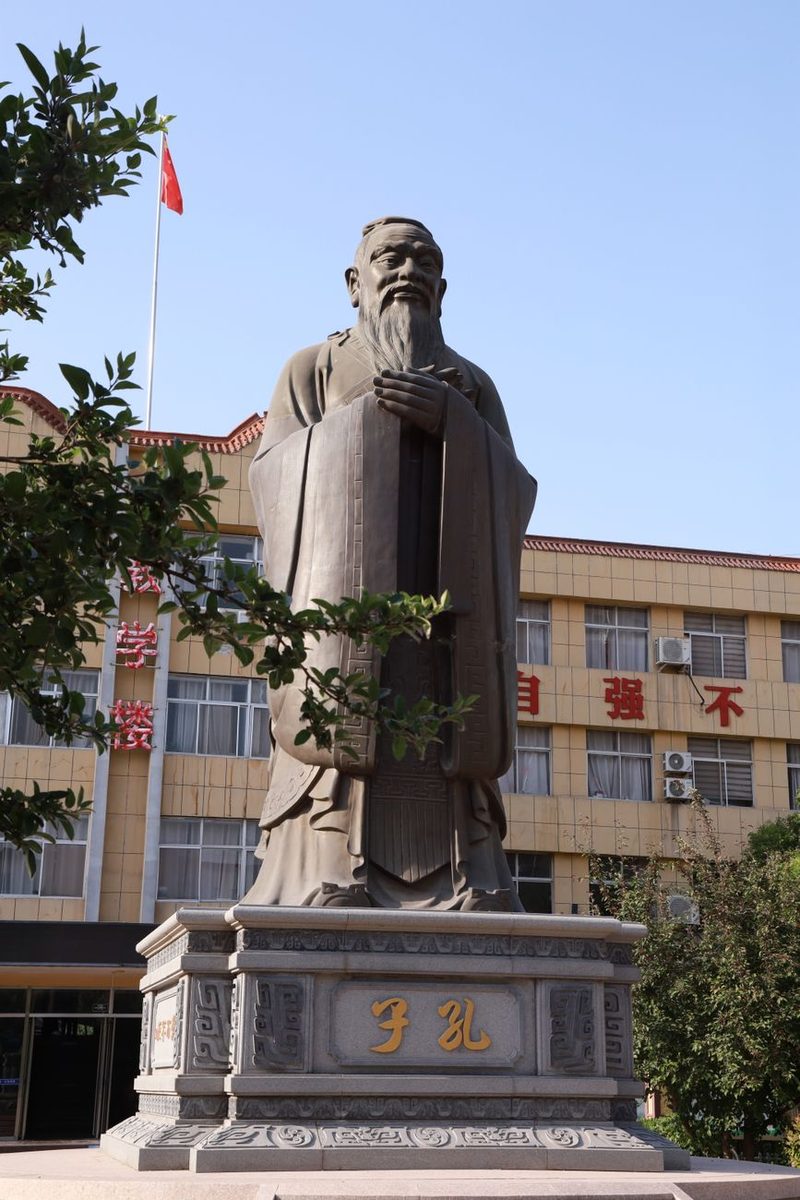
Pentagon designates Confucius Institutes a national security threat

Pentagon designates Confucius Institutes a national security threat

Rule Changes

Hegseth says the Pentagon dismantled 80 Chinese-backed programs at 30 US universities; Beijing's Foreign Ministry rejects the designation as 'smears and stigmatization'

Overview

Updated Oct 29

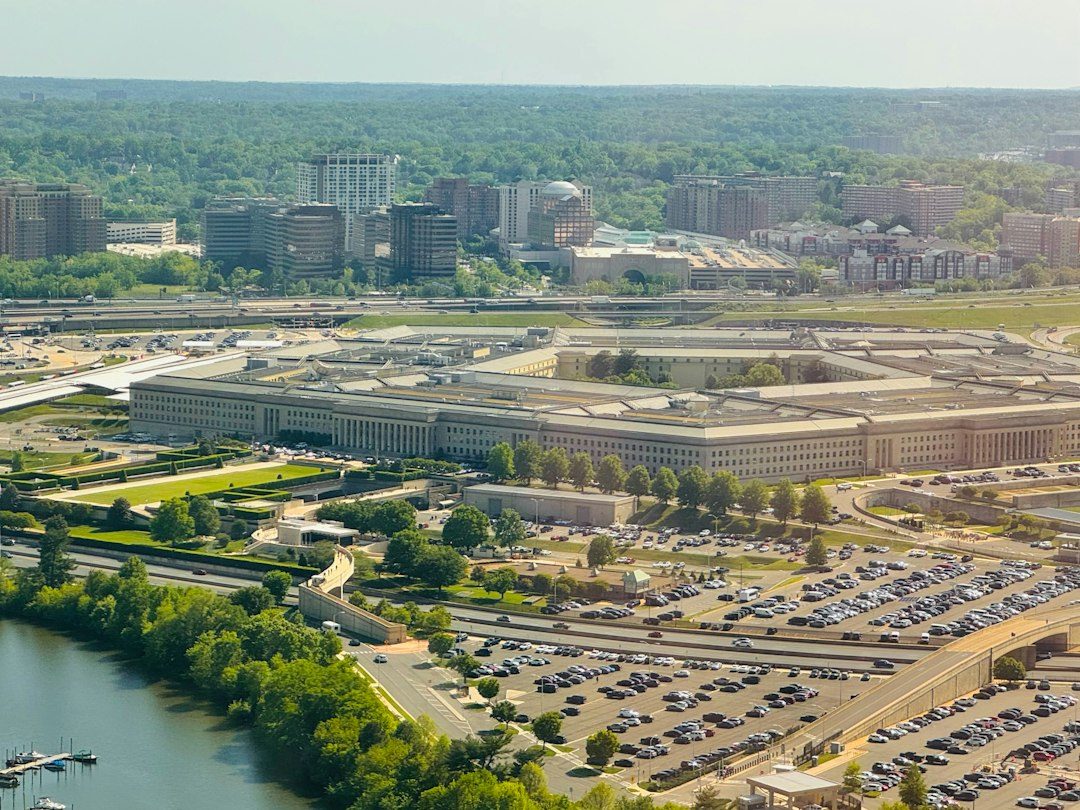
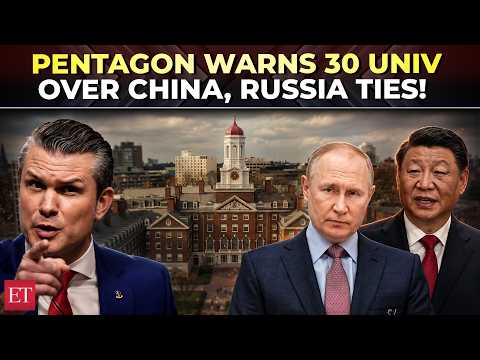
The Pentagon designated Chinese-funded Confucius Institutes a national security threat on October 23, 2026, after saying it had dismantled 80 programs that re-formed under new names at 30 US universities. Defense Secretary Pete Hegseth called them "propaganda cells" with "the same mission: to steal intellectual property and to infiltrate the minds of American students."

China's Foreign Ministry rejected the move on October 26, with spokesman Guo Jiakun opposing "smears and stigmatization targeting Confucius Institutes." A Washington Post review of 17 university response letters found six schools planned to keep some China ties. The Pentagon praised seven others, including Penn State and UT Austin, for cutting relationships quickly.

Why it matters

Universities that keep China research ties risk losing federal research funding — money that supports labs, faculty, and graduate students on most major US campuses.

Questions about this story

Free account needed to ask — your question is kept and asked for you right after sign-up. Answers are public.

No questions yet — be the first to ask.

Key Indicators

80
Chinese-backed programs dismantled
Pentagon says it dismantled 'propaganda cells' operating under new names at 30 US universities.
30
Universities audited
Schools told to audit research ties with Chinese and Russian institutions or risk losing federal funding.
7
Universities praised for fast action
Schools the Pentagon named for going 'above and beyond' in ending flagged partnerships, including Penn State, USC and Virginia Tech.
130
Institutions on Pentagon's problem list
Foreign institutions in China, Russia and Iran named in the DoD's updated list of entities of concern.
104
US institutes closed by mid-2022
Of 118 Confucius Institutes that once ran in the US, 104 had closed or were closing by June 2022, per the National Association of Scholars.

Voices

Curated perspectives — historical figures and your fellow readers.

Sign up to generate historical perspectives on this story.

People Involved

Organizations Involved

Timeline

August 2018 October 2026

10 events Latest: October 28th, 2026 · 2 weeks ago
Tap a bar to jump to that date
  1. National Association of Scholars urges Congress to act

    Latest Statement

    The group applauds the designation and says lawmakers should pass the Securing Innovation and Research from Adversaries Act, noting the fiscal 2026 defense bill dropped a similar House measure.

  2. China's Foreign Ministry rejects the designation

    Statement

    Spokesman Guo Jiakun says Beijing opposes 'smears and stigmatization targeting Confucius Institutes' and that US-China educational exchanges 'should not be disrupted or undermined.'

  3. Pentagon designates Confucius Institutes a national security threat

    Regulatory

    Hegseth designates Confucius Institutes a national security threat and says 80 'propaganda cells' were dismantled at 30 universities.

  4. Some universities push back against Pentagon

    Reporting

    Washington Post review of 17 university response letters finds six schools planned to keep at least some ties to Chinese institutions, and that many had already planned to end the flagged programs.

  5. Pentagon reports all 30 universities severed ties

    Statement

    Pentagon announces all 30 audited universities fully mitigated identified relationships, with more than 80 termination-related actions. It names seven schools, including Penn State, USC and the University of Texas at Austin, for going 'above and beyond' in ending flagged partnerships.

  6. Beijing calls US research measures 'discriminatory'

    Statement

    China's Ministry of Commerce urges Washington to 'respect the facts' and end measures it calls discriminatory, saying China will protect its research and educational institutions.

  7. Pentagon updates problematic institutions list

    Regulatory

    Pentagon updates its list of foreign institutions engaging in problematic activities, naming 130 in China, Russia, and Iran.

  8. State Department designates Confucius Institutes foreign missions

    Regulatory

    The designation subjects the centers to government oversight and prompts many universities to close their chapters.

Scenarios

1

Congress writes the Confucius Institute ban into law

Likely Resolves by Q2 2027

Discussed by: Military Times, Washington Examiner, National Association of Scholars

Lawmakers could follow the Pentagon's designation with legislation covering Confucius Institutes and successor programs. The House put Rep. John Moolenaar's SAFE Research Act into its version of the fiscal 2026 defense bill, but the final law left it out. Moolenaar and Sen. Jim Banks introduced the Securing Innovation and Research from Adversaries Act in May 2026.

2

Universities resist, keep foreign ties

Possible Resolves by Q2 2027

Discussed by: Washington Post

Several audited schools told the Defense Department their foreign relationships posed no security risk and planned to keep them. If those schools hold firm without facing funding cuts, the Pentagon's enforcement authority comes into question and the designation loses teeth.

3

China retaliates against US academic programs

Unlikely Resolves by Q2 2027

Discussed by: Reuters, Al Jazeera, Voice of America

Beijing could restrict or expel American cultural and research institutions in China. Foreign Ministry spokesman Guo Jiakun rejected the designation on October 26 as 'smears and stigmatization'; Beijing has not announced retaliation. China denies that Confucius Institutes spread propaganda.

4

Faculty groups or a university sue over the funding conditions

Possible Resolves by Q2 2027

Discussed by: Inside Higher Ed, American Federation of Teachers, American Association of University Professors

The AFT and AAUP condemned the August audit of 30 universities as 'funding-based coercion.' A suit from a union or an audited school would test whether the Pentagon can condition federal research money on cutting foreign ties.

Historical Context

3 moments from history that rhyme with this story — and how they unfolded.

2020

State Department foreign missions designation (2020)

The State Department designated Confucius Institutes as foreign missions under the Foreign Missions Act, a status that subjected them to government oversight and effectively forced many universities to close their campus chapters.

Then

Dozens of US universities closed their Confucius Institutes within months of the designation.

Now

The centers' university footprint shrank sharply, but the Pentagon says successor programs re-emerged under different names.

Why this matters now

The 2020 action was a State Department matter; the 2026 Pentagon designation adds national security status with federal research funding consequences.

1999

Cox Report on Chinese espionage (1999)

A House committee led by Rep. Christopher Cox alleged China stole US nuclear weapons secrets. The case of Los Alamos physicist Wen Ho Lee became its most visible symbol, raising questions about Chinese access to American research.

Then

Federal agencies tightened controls on foreign access to national laboratories and pursued prosecutions.

Now

The report entrenched concerns about Chinese technology theft that persist in today's research security rules.

Why this matters now

The 1999 episode established the fear of Chinese intellectual property theft that underpins the Confucius Institute designation.

September 2026

UK orders universities to cut ties with Chinese institute (2026)

British security services identified the China General Technology Research Institute as a front for espionage and ordered UK universities to stop working with it.

Then

UK universities severed ties with the institute after the government order.

Now

Part of broader Western scrutiny of Chinese academic partnerships; Beijing denied the allegations.

Why this matters now

Shows the crackdown on Chinese academic links is happening across Western democracies, not just in the US.

Sources

(18)