

Post-2021 supply chain disruption of municipal fleet parts (2021-2023)
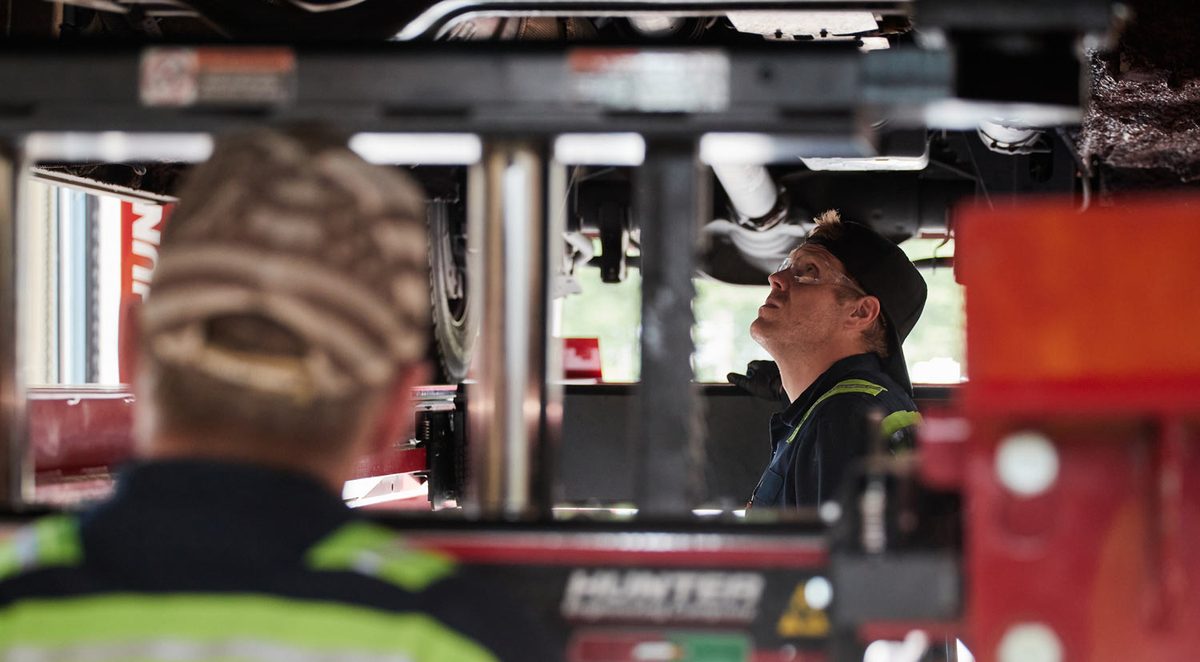
Afterthe initial pandemic disruptions, municipalities nationwide reported longer wait times for vehicle parts, especially for specialized equipment liketrash packer bodies and hydraulic components. Fleet maintenance backlogs grew as vehicles stayed in shops longer, and repair costs rose as independent parts suppliers couldn'tkeep up with demand.
Cities extended maintenance cycles and deferred vehicle replacements, stretching existing fleets beyond planned lifespans.
The repair backlog has become structural: fleets are olderand costlier to maintain than pre-pandemic, and maintenance budgets are structurally higher.
The OKC resolution explicitly cites supply chain challenges and extended vehicle use as drivers of the cost increase—a direct echo of the post-2021 procurement environment.