Pull to refresh
Logo
The centuries-long retreat from working through the night

The centuries-long retreat from working through the night

Built World

How labor laws, health science, and automation have steadily reduced humanity's dependence on overnight labor

June 12th, 2024: Human Progress publishes analysis documenting night work's long decline

Overview

Updated May 30

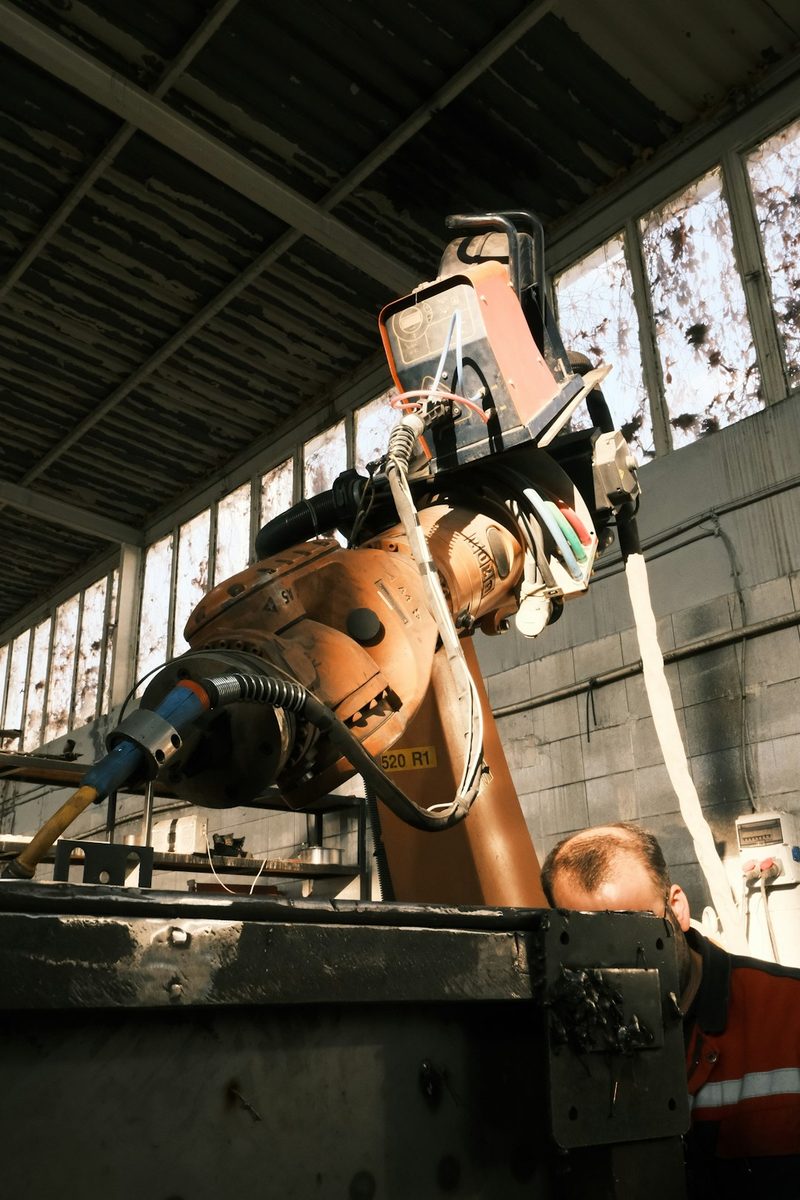
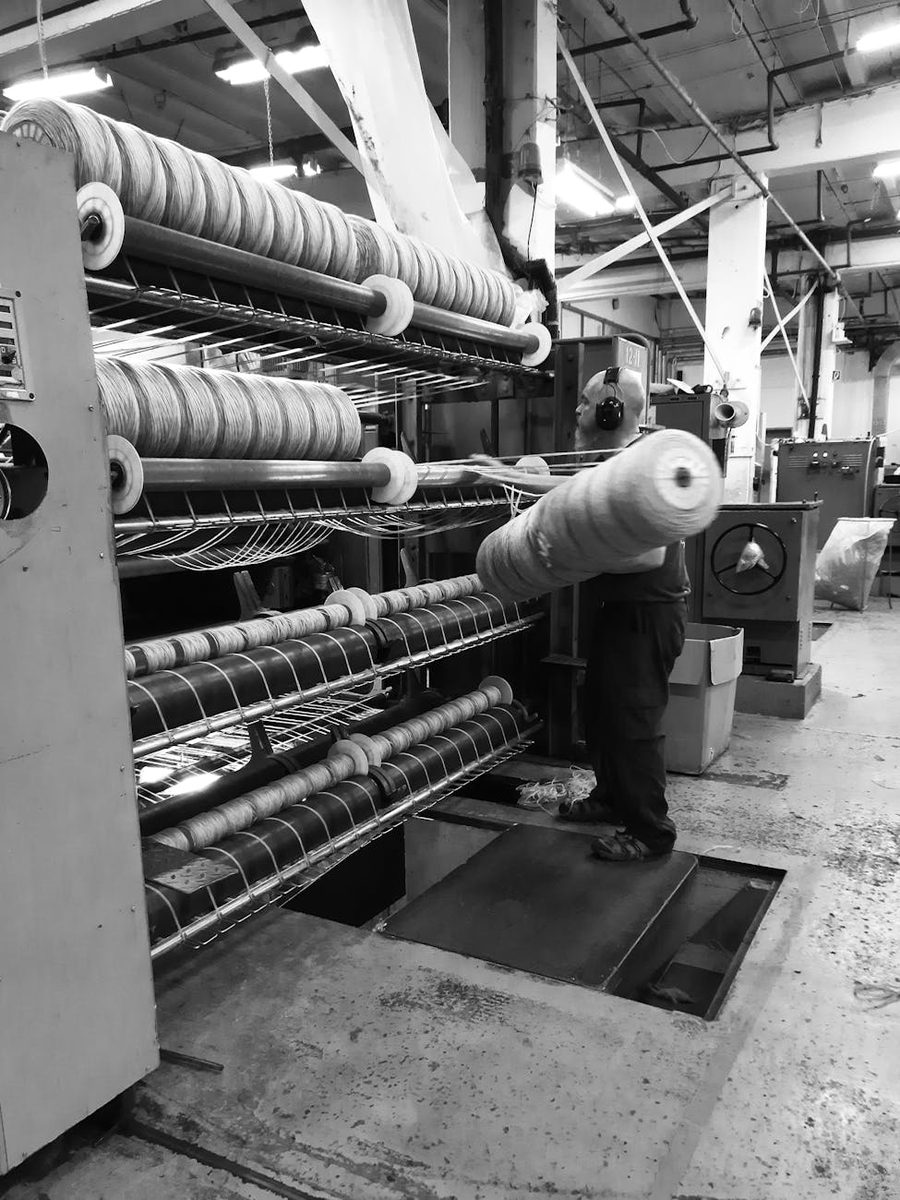
For most of human history, nightfall meant the end of productive labor. The industrial revolution and the electric lightbulb reversed that arrangement, turning overnight factory shifts into a pillar of modern manufacturing. But a quieter reversal has been underway for decades. Labor regulations, mounting health evidence, and machines that can run in the dark without human hands are steadily reducing the share of workers toiling at night.

In Europe, the share of workers performing night shifts fell from 14.9% to 13.3% between 2009 and 2018. In the United States, just 4% of wage and salary workers regularly work overnight. The International Agency for Research on Cancer now classifies night shift work as a probable carcinogen. Denmark compensates night workers who develop breast cancer. Automated 'dark factories' in Japan produce thousands of robots monthly with virtually no human presence. What Thomas Edison's lightbulb made possible, a convergence of science, law, and technology is gradually making unnecessary.

Questions about this story

Free account needed to ask — your question is kept and asked for you right after sign-up. Answers are public.

No questions yet — be the first to ask.

Key Indicators

4%
U.S. workers on night shifts
Share of American wage and salary workers who regularly work overnight, per the Bureau of Labor Statistics (2017-2018)
13.3%
European night workers
Share of European workers performing night shifts in 2018, down from 14.9% in 2009
Group 2A
IARC carcinogen classification
The International Agency for Research on Cancer classifies night shift work as 'probably carcinogenic to humans'
30 days
Unmanned factory operation
FANUC's automated facility in Japan can produce robots continuously for 30 days without human workers

Voices

Curated perspectives — historical figures and your fellow readers.

Sojourner Truth

Sojourner Truth

(1797-1883) · Abolitionist · politics

Fictional AI pastiche — not real quote.

"The Lord made the night for rest, and it took men a hundred years of smokestacks and suffering to learn what any slave who ever bent her back from sunup to sundown already knew — that working a body in the dark is a cruelty, not a virtue."

Andrew Carnegie

Andrew Carnegie

(1835-1919) · Gilded Age · industry

Fictional AI pastiche — not real quote.

"By Jove, when I built my first steel mill, I burned the midnight oil myself — quite literally — and thought any man who did not was soft; yet here is the grand irony: the very machines my generation sweated through the night to forge have now rendered that sacrifice unnecessary, and I confess I find this more triumph than retreat. Let the iron workers sleep, for it is the purpose of capital rightly employed to lift the burden from human shoulders, not to multiply it. Edison gave us light to work by; let his grandchildren's machines do the working, while men cultivate their minds — which was, I dare say, rather the whole point."

Ever wondered what historical figures would say about today's headlines?

Sign up to generate historical perspectives on this story.

People Involved

Organizations Involved

Timeline

1882 June 2024

12 events Latest: June 12th, 2024 · 2 years ago Showing 8 of 12
Tap a bar to jump to that date
  1. Human Progress publishes analysis documenting night work's long decline

    Latest Analysis

    HumanProgress.org published a data-driven analysis showing the sustained, multi-decade decline in night work across developed economies, framing it as an underappreciated marker of improved working conditions.

  2. IARC reaffirms night shift carcinogen classification

    Research

    A working group convened by the International Agency for Research on Cancer reviewed new evidence and retained the Group 2A classification for night shift work, citing strong mechanistic evidence linking melatonin suppression to cancer.

  3. Nobel Prize awarded for circadian rhythm discoveries

    Research

    Jeffrey Hall, Michael Rosbash, and Michael Young received the Nobel Prize in Physiology or Medicine, bringing mainstream attention to the biological mechanisms explaining why night work carries health risks.

  4. WHO cancer agency classifies night work as probable carcinogen

    Research

    The International Agency for Research on Cancer classified night shift work as Group 2A, 'probably carcinogenic to humans,' based on evidence linking circadian disruption to breast, prostate, and colorectal cancers.

  5. FANUC launches lights-out factory in Japan

    Technology

    The Japanese robotics company began operating an automated facility in Yamanashi capable of producing robots for 30 consecutive days without human workers, demonstrating that overnight production no longer requires overnight labor.

  6. ILO adopts gender-neutral night work convention

    Regulation

    Convention No. 171 replaced earlier women-only bans with protections for all night workers, reflecting a shift from paternalistic restrictions to universal occupational health standards.

  7. Scientists isolate gene governing the body's internal clock

    Research

    Jeffrey Hall, Michael Rosbash, and Michael Young isolated the period gene in fruit flies, revealing the molecular mechanism behind circadian rhythms and laying the scientific groundwork for understanding why night work harms human health.

  8. U.S. Fair Labor Standards Act establishes overtime pay rules

    Regulation

    The act mandated time-and-a-half pay for work exceeding 40 hours per week, creating a financial disincentive for employers to extend shifts and helping standardize the eight-hour, three-shift model.

  9. ILO adopts first night work convention for young persons

    Regulation

    The newly created International Labour Organization adopted the Night Work of Young Persons (Industry) Convention, extending overnight protections beyond women to children and adolescents.

  10. Berne Convention bans night work for women in industry

    Regulation

    Representatives from fourteen European nations signed the first international labor treaty, prohibiting women from industrial night work and mandating eleven consecutive hours of rest between 10 p.m. and 5 a.m.

  11. Edison electrifies Manhattan, enabling industrial night shifts

    Technology

    Thomas Edison's Pearl Street Station in lower Manhattan brought electric lighting to factories, removing the natural constraint that had limited labor to daylight hours for millennia.

Scenarios

1

Automation eliminates most remaining night shifts in manufacturing

Likely

Discussed by: Manufacturing Dive, Marketplace, industry analysts covering lights-out manufacturing trends

As robotics and artificial intelligence mature, factories increasingly adopt 'dark factory' models where machines run overnight without human oversight. FANUC and Philips already operate facilities this way. If the economics of automation continue improving, night shifts in manufacturing could shrink to a small maintenance and oversight role within a decade, concentrating remaining night work almost entirely in healthcare, emergency services, and transportation.

2

Health regulations force premium pay and exposure limits for night workers

Possible

Discussed by: International Labour Organization, European Working Conditions Survey analysts, occupational health researchers

Mounting evidence of cancer risk and metabolic harm from night work pushes governments beyond Denmark's precedent. Countries begin mandating exposure limits for night shifts, requiring premium pay rates, or capping the number of years workers can spend on overnight rotations. This could accelerate the existing decline but would raise costs for sectors like healthcare that depend on overnight staffing.

3

Gig economy and service sector growth reverse the decline

Possible

Discussed by: Bureau of Labor Statistics, Trades Union Congress (United Kingdom), labor economists studying nonstandard work schedules

While traditional night shifts in manufacturing decline, the growth of e-commerce fulfillment, food delivery, and 24/7 digital services creates new forms of overnight labor. The United Kingdom's Trades Union Congress found that the number of ethnic minority workers doing night shifts rose 71% between 2014 and 2024, even as white workers' overnight employment fell. If service-sector night work grows faster than industrial night work shrinks, the overall trend could plateau or reverse in some countries.

4

Night work stabilizes at an irreducible minimum in essential services

Likely

Discussed by: Eurofound, World Economic Forum working hours researchers, healthcare staffing analysts

The decline continues gradually but reaches a floor. Hospitals, emergency services, transportation, and security will always require human overnight presence. The remaining night workforce becomes smaller, better compensated, and more heavily regulated, representing perhaps 2-3% of workers in wealthy nations rather than today's 4-13%.

Historical Context

3 moments from history that rhyme with this story — and how they unfolded.

September 1882

Edison electrifies Pearl Street Station (1882)

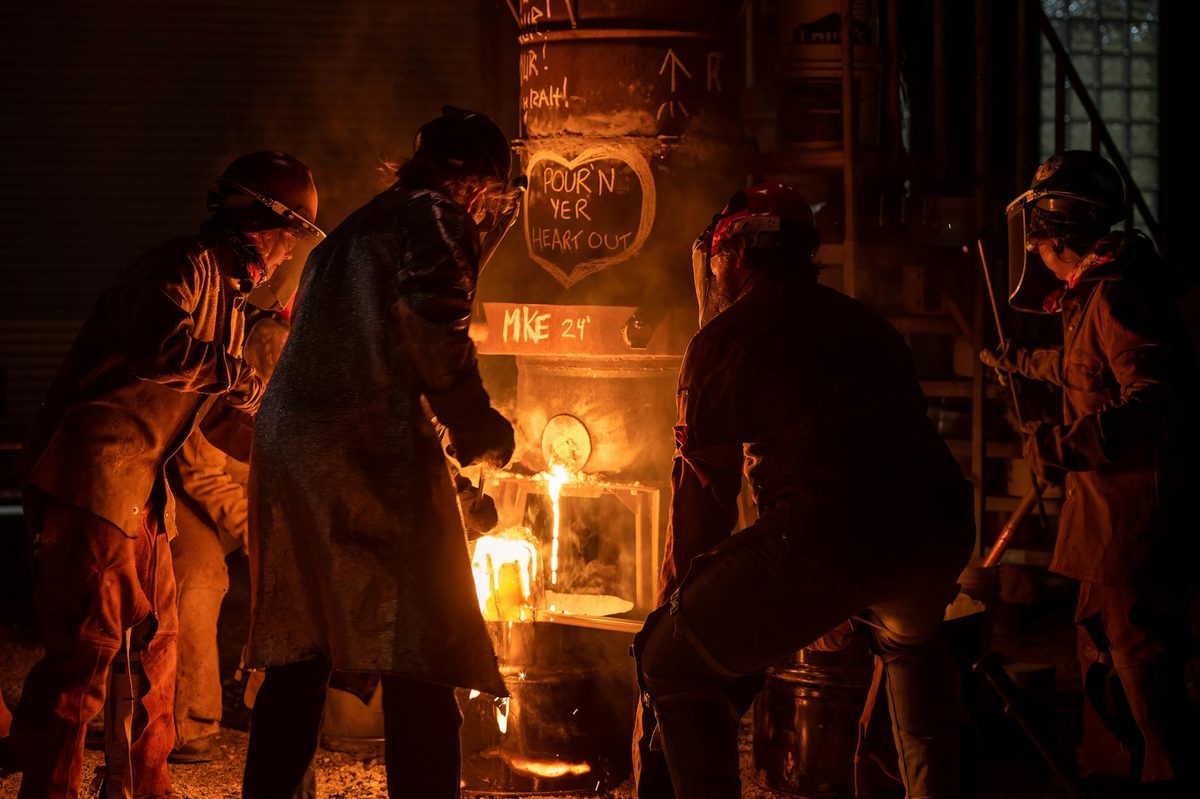
Thomas Edison activated the Pearl Street Station in lower Manhattan, bringing reliable electric lighting to a one-square-mile area. Within a decade, electric light spread to factories across the United States and Europe, enabling round-the-clock production in steel mills, textile plants, and foundries that had previously shut down at dusk.

Then

Factories adopted two- and three-shift systems, dramatically expanding productive hours and creating a new class of overnight worker.

Now

Night shift work became a structural feature of industrial economies for over a century, reshaping sleep patterns, family life, and urban infrastructure for millions of workers.

Why this matters now

Edison's lightbulb created the condition that is now being reversed. The same technological innovation that made night work possible is being matched by automation and robotics that make night workers unnecessary.

September 1906

Berne Convention on night work (1906)

Representatives from fourteen European nations met in Bern, Switzerland, and signed the first international labor treaty, banning industrial night work for women. The convention required eleven consecutive hours of rest including the period from 10 p.m. to 5 a.m. and entered into force in January 1912 across eleven countries.

Then

Eleven European states bound themselves to restrict women's overnight labor, establishing the principle that international law could regulate working conditions.

Now

The convention became the template for the ILO's broader night work regulations. Though the women-only framework was later criticized as discriminatory and replaced with gender-neutral protections in 1990, the principle of regulating night work as an occupational hazard became permanent.

Why this matters now

The Berne Convention established the regulatory tradition that has been steadily tightening constraints on night work for 118 years. Today's IARC classification and Denmark's compensation rulings are direct descendants of this framework.

October 2007

IARC classifies night work as probable carcinogen (2007)

The International Agency for Research on Cancer, the cancer research arm of the World Health Organization, evaluated epidemiological evidence linking night shift work to breast, prostate, and colorectal cancers. The working group classified night shift work as Group 2A: 'probably carcinogenic to humans,' placing it alongside red meat and the herbicide glyphosate in cancer risk.

Then

Denmark became the first country to compensate night workers who developed breast cancer, approving 37 of 38 qualifying claims in 2008.

Now

The classification shifted the framing of night work from a labor rights question to a public health question, giving regulators and employers new scientific grounds for reducing overnight staffing.

Why this matters now

The carcinogen classification represents a turning point where the case against night work moved from the domain of labor activism into evidence-based medicine, adding scientific weight to the economic and technological forces already pushing night work into decline.

Sources

(13)