
Pull to refresh
Logo
Construction begins on Central Park stormwater recirculation system

Construction begins on Central Park stormwater recirculation system

Built World New York, NY local

System will curb Harlem flooding and save 175 million gallons of drinking water a year

Overview

Updated Oct 31

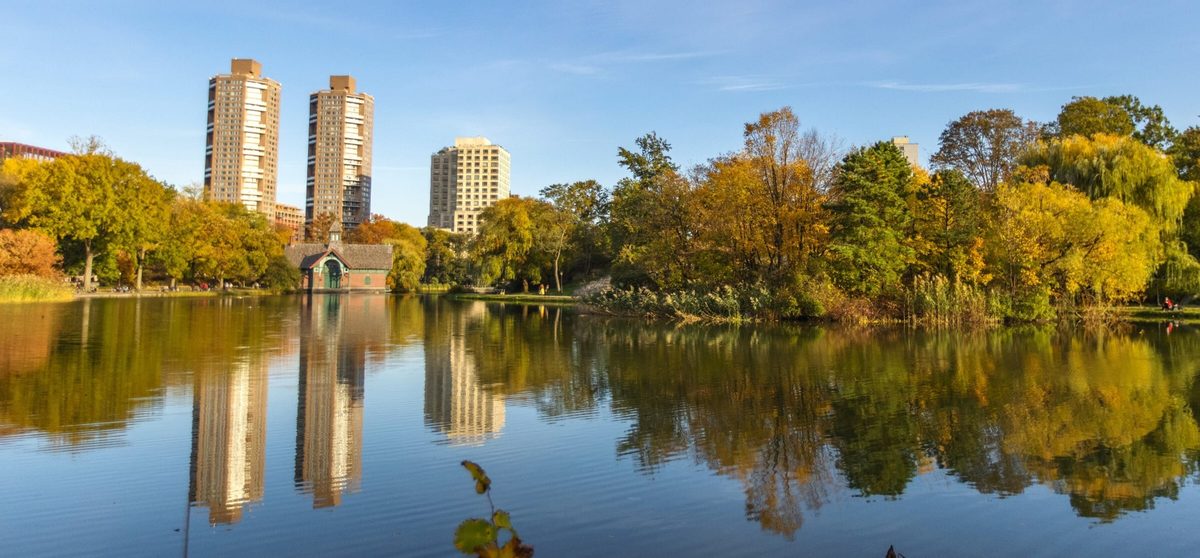
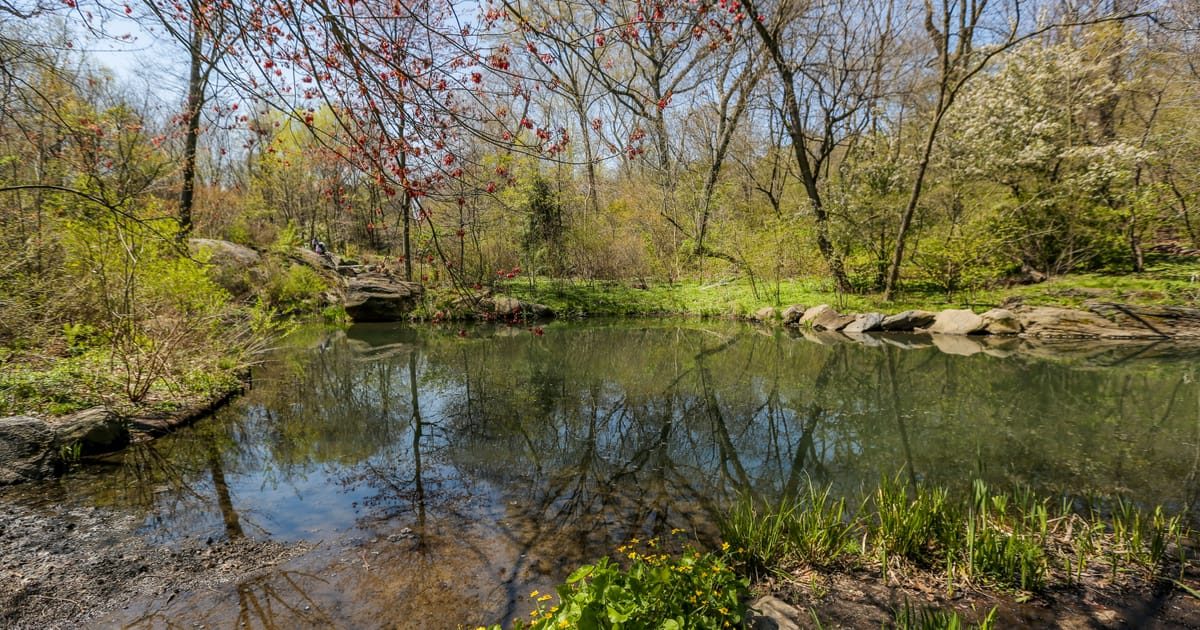
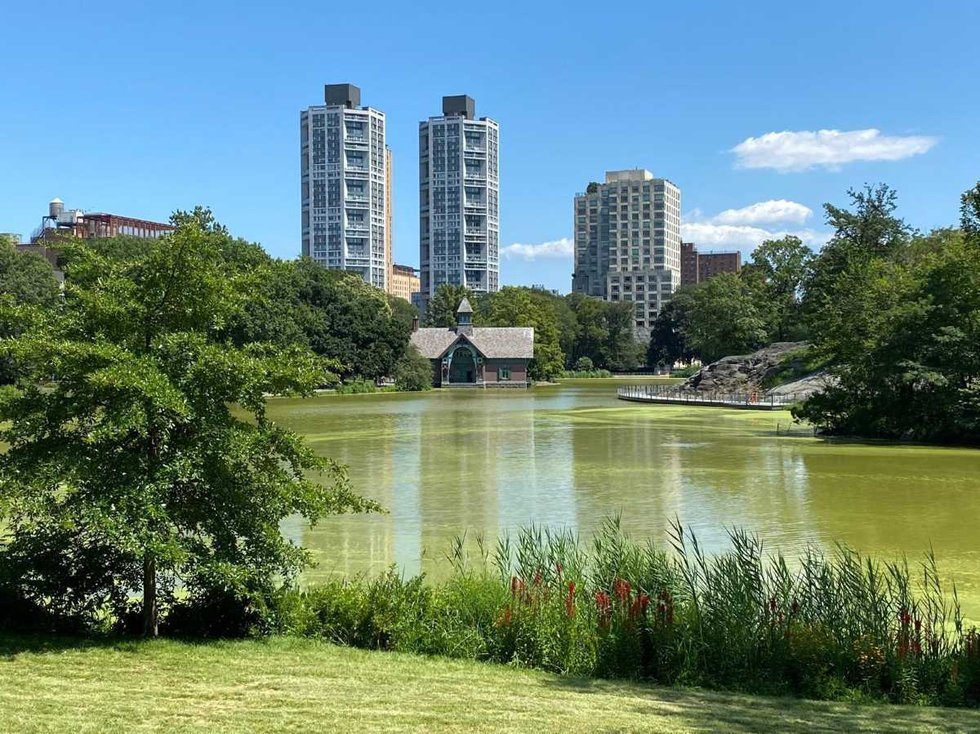
Construction began October 26 on a $35.7 million system to recirculate water among the Pool, the Loch and the Harlem Meer. The three water bodies are currently topped off with city drinking water that drains into the combined sewer system.

Pumps will move water from the Meer to the Pool, filters will clean it, and gravity will carry it back through the Loch. Before storms, operators can lower the Meer to hold runoff from 204 acres of the park. Most of the piping sits about five feet underground, and completion is set for fall 2028.

Why it matters

Harlem and East Harlem get less flooding during heavy rain, while New York saves 175 million gallons of drinking water a year.

Last Monday's email for New York, NY

Sent Nov 9. It carried:

Get next Monday's: one short email a week. Free. Unsubscribe in one click.

Questions about this story

Free account needed to ask — your question is kept and asked for you right after sign-up. Answers are public.

No questions yet — be the first to ask.

Key Indicators

$35.7M
Project cost
Total budget for the North End Recirculation System.
175M gallons/year
Drinking water conserved annually
Projected reduction in potable water use for the Pool, Loch, and Harlem Meer.
132M gallons/year
Water kept out of sewers annually
Projected volume diverted from the combined sewer system serving Harlem and East Harlem.
90%
Stormwater flow reduction
Projected cut in stormwater flows from the managed park area to combined sewers.

Voices

Curated perspectives — historical figures and your fellow readers.

Sign up to generate historical perspectives on this story.

People Involved

Organizations Involved

Timeline

November 2022 October 2026

4 events Latest: October 28th, 2026 · 2 weeks ago
Tap a bar to jump to that date
  1. Design team and completion date confirmed in project report

    Latest Announcement

    New York YIMBY reported that the Conservancy is leading the work with the Department of Environmental Protection and NYC Parks, that eDesign Dynamics is lead designer, and that completion is expected in fall 2028.

  2. Groundbreaking at Harlem Meer

    Construction

    Construction begins on the North End Recirculation System connecting the Pool, Loch, and Harlem Meer.

  3. Archaeological testing along pipeline route

    Planning

    Testing identifies sections of the pipeline route where archaeological monitoring is recommended during construction.

  4. New York voters pass Environmental Bond Act

    Funding

    Voters approve the Clean Water, Clean Air, and Green Jobs Environmental Bond Act, creating the funding source for the project's $10 million state grant.

Scenarios

1

System complete and operating by fall 2028

Likely Resolves by End of 2028

Discussed by: NYC officials and the Central Park Conservancy

Construction proceeds through the landmarked park without major delays. The system is commissioned by fall 2028 and begins recirculating water, achieving the projected conservation and flood-reduction targets.

2

Construction delays push completion past 2028

Possible Resolves by Q2 2029

Discussed by: Engineering News-Record

Buried infrastructure across the North Meadow, archaeological monitoring requirements, and coordination with multiple agencies could slow the work. Unforeseen subsurface conditions in the 150-year-old park could force design changes.

3

System underperforms projected water conservation targets

Unlikely Resolves by Jan 31, 2030

Discussed by: Engineering News-Record noted the figures are projections

The 175-million-gallon conservation figure and 90% stormwater reduction are projections from city officials and the Conservancy, not guaranteed outcomes. Actual performance will be measured after the system starts operating, and shortfalls could require operational adjustments or added infrastructure.

Historical Context

3 moments from history that rhyme with this story — and how they unfolded.

1858-1873

Central Park's original construction (1858-1873)

Frederick Law Olmsted and Calvert Vaux designed Central Park with artificial water bodies, including the Pool, Loch, and Harlem Meer, fed by natural springs and later supplemented with city water as demand grew.

Then

The park opened in stages starting in 1858, with its engineered water features becoming central to the landscape design.

Now

The park's water features have always required active management; the original spring-fed supply proved insufficient over time, creating the dependence on drinking water the new system aims to break.

Why this matters now

The recirculation project is the latest chapter in managing the park's artificially sustained water system, which has never been self-sufficient.

1990

Harlem Meer restoration (1990)

The Central Park Conservancy restored the Harlem Meer, reconstructing its shoreline and dredging the water body as part of the nonprofit's early restoration work in the park's north end.

Then

The restored Meer became a centerpiece of the park's northern landscape and a model for the Conservancy's restoration approach.

Now

The project established the Conservancy's pattern of large capital improvements in the park, culminating in the current recirculation system.

Why this matters now

The Conservancy explicitly cites the 1990 Meer restoration as the foundation for its ongoing work at the park's north end.

2016-2025

Thames Tideway Tunnel (2016-2025)

London built a 16-mile 'super-sewer' beneath the River Thames to capture combined sewer overflows that routinely dumped untreated sewage into the river. The multi-billion-dollar tunnel began operating in 2025.

Then

The tunnel now captures roughly 95% of the city's sewage overflows, stopping most discharges into the Thames.

Now

It set a global benchmark for urban combined sewer overflow mitigation, which cities like New York study as they modernize stormwater systems.

Why this matters now

The Central Park project is a park-scale response to the same combined sewer overflow problem that drove London's massive infrastructure investment.

Sources

(5)