



Pull to refresh
Logo
New York City phases out horse-drawn carriages by 2028

New York City phases out horse-drawn carriages by 2028

Rule Changes

Council passes Romanch's Law after a tourist's death; the drivers' union vows to sue

Overview

Updated Oct 24

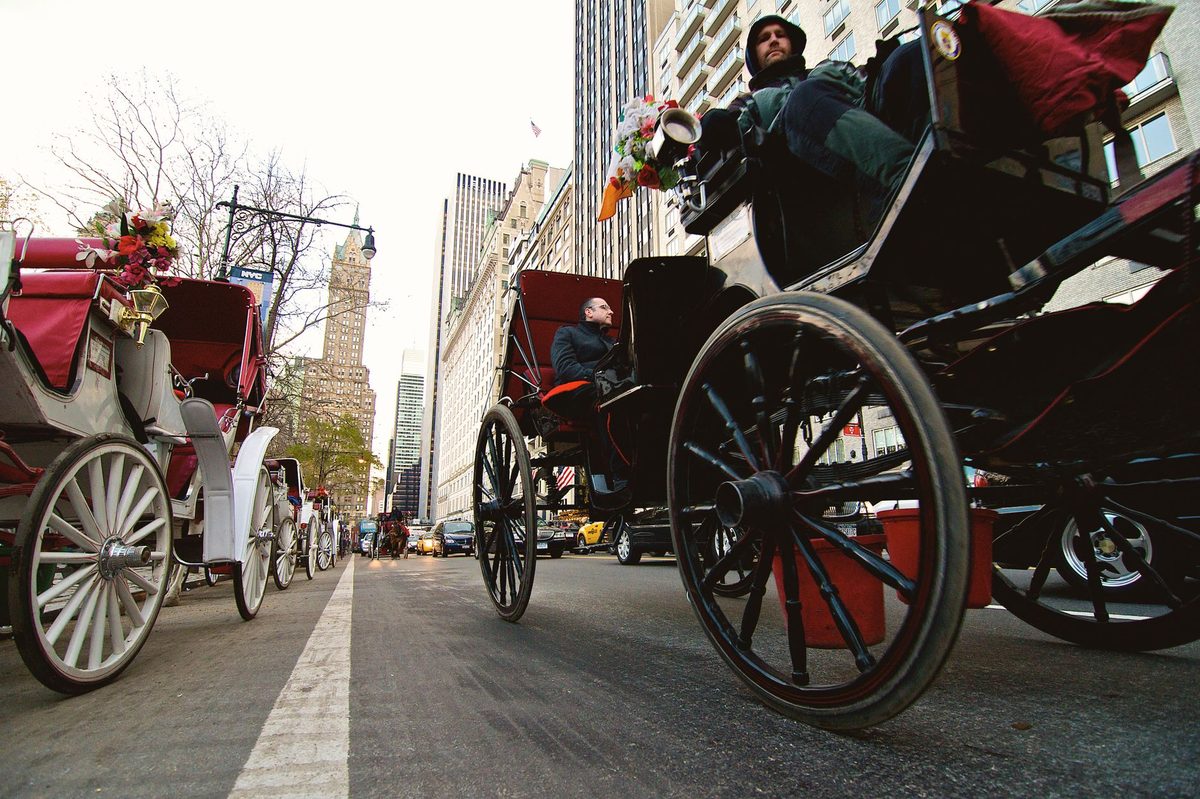
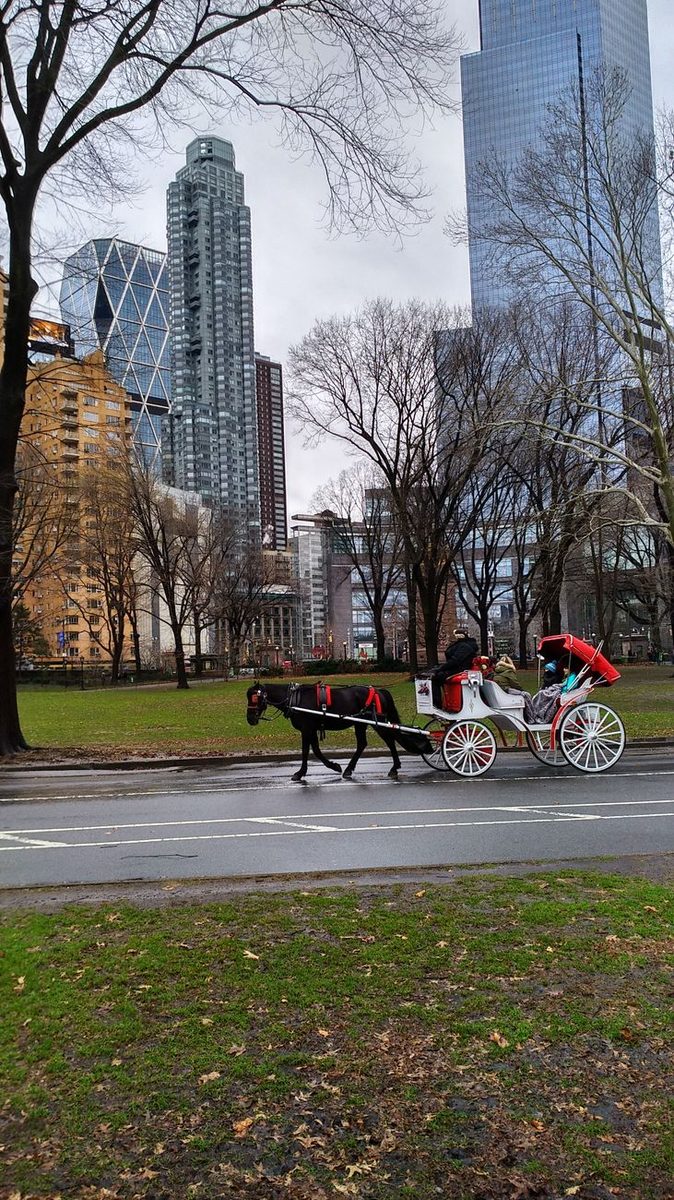
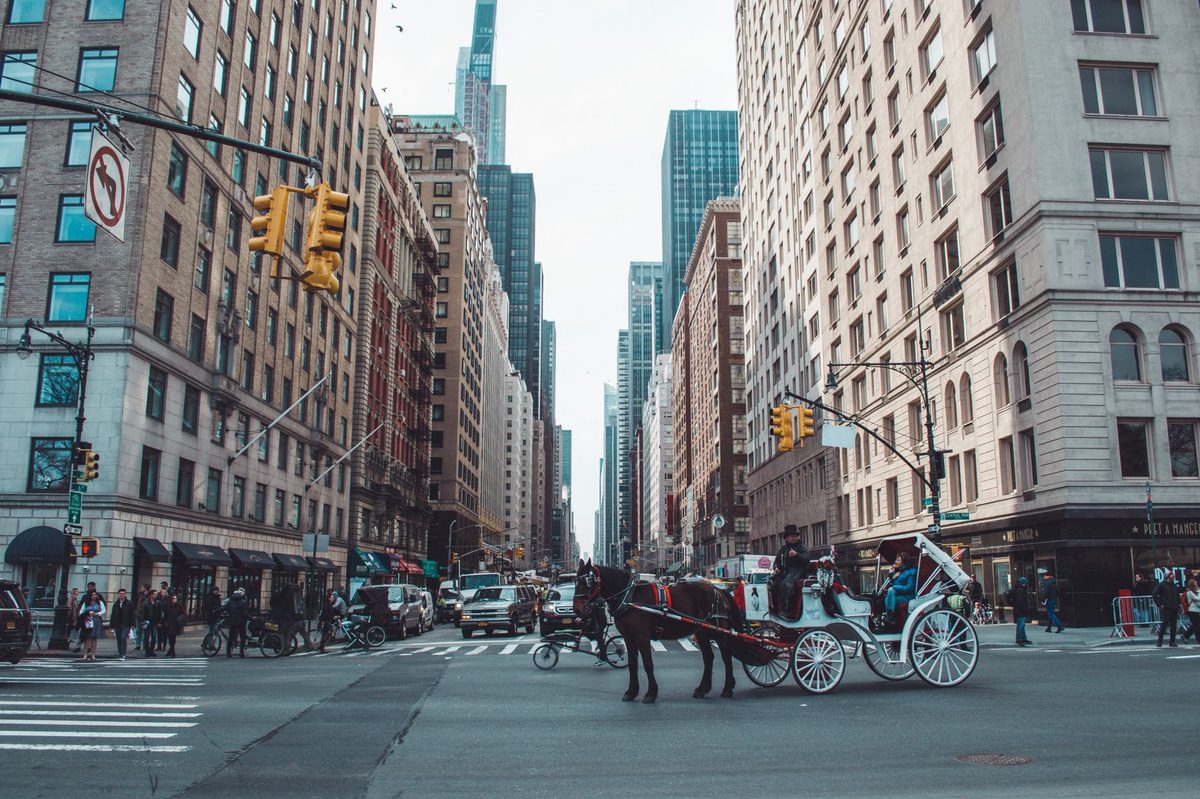
New York City's horse-drawn carriages will stop running by June 2028. The City Council voted 40-7 on October 22 to pass Romanch's Law, ending a trade that has operated in the city since 1858.

The law is named for Romanch Mahajan, the 18-year-old tourist thrown from a runaway carriage in June. It ends new carriage licenses, requires a plan to move more than 150 drivers into other work, and bars owners from selling retired horses for slaughter. The Transport Workers Union says it will sue in federal court once Mayor Zohran Mamdani signs, arguing the city is taking medallions owners paid hundreds of thousands of dollars for.

Why it matters

A carriage trade more than 160 years old ends in 2028, unless a union lawsuit over medallions stops it.

Questions about this story

Free account needed to ask — your question is kept and asked for you right after sign-up. Answers are public.

No questions yet — be the first to ask.

Key Indicators

40 of 51
Council members voting for the ban
Seven voted against and two abstained; Mayor Zohran Mamdani has committed to signing the bill.
150+
Active carriage drivers facing job loss
The law requires a city transition program to help them find other work.
68
Carriage medallions the city has issued
Owners paid hundreds of thousands of dollars each, the union says, and the law guarantees them no compensation.
2007–2026
Years the council spent debating a ban
The first bill was introduced in 2007; 19 years later it passed with 40 votes.

Voices

Curated perspectives — historical figures and your fellow readers.

Sign up to generate historical perspectives on this story.

People Involved

Organizations Involved

Timeline

2007 October 2026

6 events Latest: October 22nd, 2026 · 3 weeks ago
Tap a bar to jump to that date
  1. Council passes Romanch's Law; union vows to sue

    Latest Legislation

    The vote is 40-7, with two abstentions, to phase out carriages by June 2028. The Transport Workers Union says it will file a federal suit once Mayor Mamdani signs.

  2. Council holds hours-long hearing

    Hearing

    City Hall hearing gathers input from agencies, community members, labor, and advocates on the industry's future.

  3. Menin announces hearing on the industry

    Statement

    Speaker Julie Menin says the council will examine legislative action after Mahajan's death.

  4. Tourist dies after runaway carriage crash

    Incident

    Romanch Mahajan, 18, is thrown from a runaway carriage in Central Park and dies, reigniting the ban campaign.

  5. First ban bill introduced

    Legislation

    The council proposes banning horse-drawn carriages; the bill fails, starting 19 years of debate.

Scenarios

1

Union lawsuit stalls the ban for years

Likely Resolves by End of 2027

Discussed by: TWU President John Samuelsen; CBS New York legal analysis

The union's takings argument—that medallions worth up to $400,000 each are private property—wins an injunction. The foie gras ban passed in 2019 is still in court seven years later and sales continue uninterrupted, a precedent TWU cites. Court filings could tie up the license phase-out past 2028.

2

Ban survives challenge, industry winds down by 2028

Possible Resolves by Jun 1, 2028

Discussed by: Council Speaker Julie Menin; ASPCA

Courts reject the takings claim or find the transition plan adequate compensation. The city places drivers in new jobs by April 2027, horses retire humanely, and no carriage licenses remain valid after May 31, 2028.

3

City and union settle on a buyout

Uncertain Resolves by End of 2027

Discussed by: Mayor Zohran Mamdani (compensation comments); Bloomberg Law

Rather than litigate, the city negotiates compensation for medallion owners and drivers. Mamdani has already said adequate payouts need to be worked out. A settlement in the tens of millions lets the phase-out proceed on schedule while satisfying the union's property claims.

Historical Context

2 moments from history that rhyme with this story — and how they unfolded.

2019

New York City foie gras ban (2019)

The city council voted to ban the sale of foie gras, and Hudson Valley producers sued. Seven years later the case is still active and foie gras remains on New York menus.

Then

The ban never went into effect while the litigation played out.

Now

The case became the template for how New York animal-product bans get tied up in court for years.

Why this matters now

TWU President John Samuelsen cites foie gras as proof that Romanch's Law could face the same multi-year legal grind before any carriage stops running.

1860s-2026

Carriage industry's 160-year run in Central Park

Horse-drawn cabs have ferried tourists through Central Park since the park's early days. The industry survived traffic, regulation, and repeated bans, reaching more than 150 active drivers before the October 2026 vote.

Then

The council's 40-7 vote is the first successful ban bill in 19 years of attempts.

Now

If upheld, the industry's full phase-out by June 2028 would end a fixture of New York tourism older than the automobile.

Why this matters now

The industry's longevity made this a political test: an institution that predates cars was ended by a single law passed after a tourist's death.

Sources

(15)