
Pull to refresh
Logo
Kayem Foods recalls 1.5 million pounds of meat over temperature abuse

Kayem Foods recalls 1.5 million pounds of meat over temperature abuse

Rule Changes

68 products, from Fenway Franks to chicken sausage, pulled nationwide

Overview

Updated Oct 29

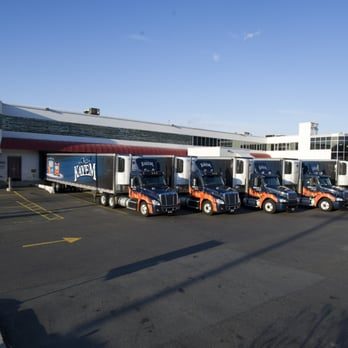
Kayem Foods recalled 1,584,361 pounds of ready-to-eat meat and poultry on October 17, after a warehouse cooler drifted outside safe storage temperatures. The U.S. Department of Agriculture's Food Safety and Inspection Service tagged it a Class I recall, the agency's most serious designation.

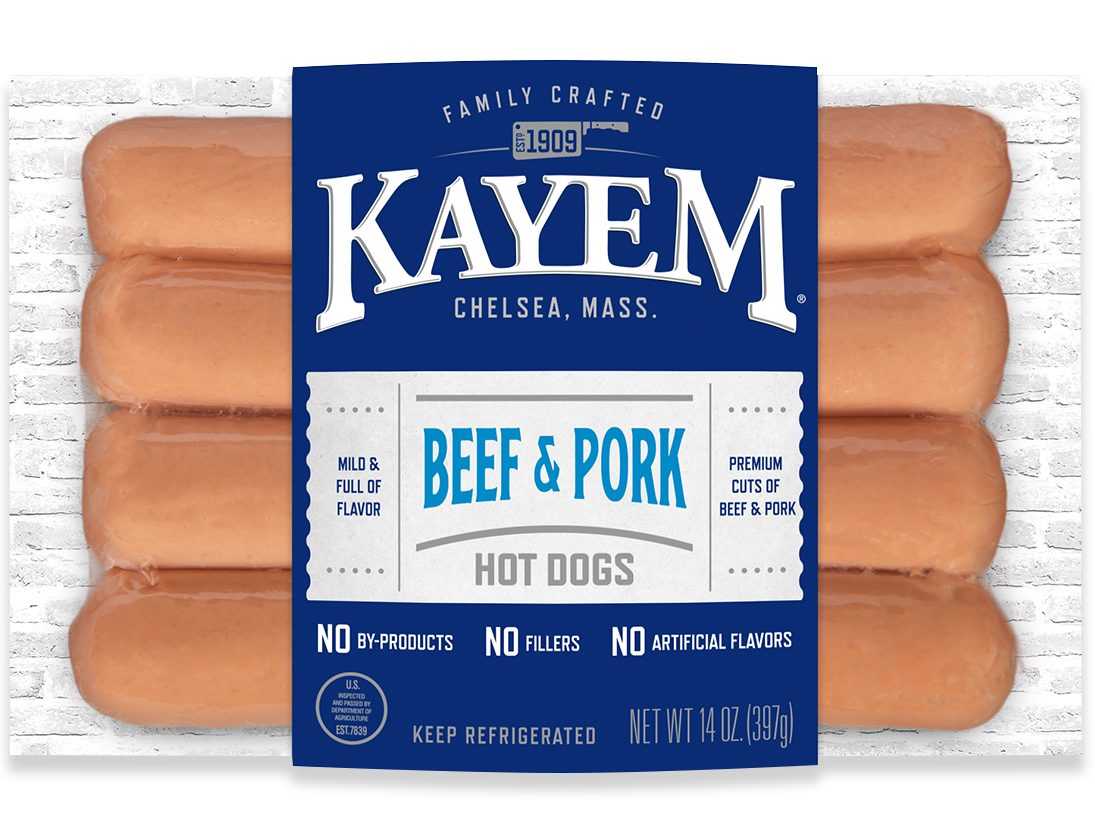
The 68 affected products went to retailers and food-service operators nationwide and to Hong Kong, under labels including Kayem, Al Fresco, Deutschmacher, Essem, Genoa, Jordan's, McKenzie, Triple M and Winnisimmet. No illnesses had been reported as of late October, and the inspection service says recalled items should be thrown out or returned to the store. Chief executive Matt Monkiewicz said the company has corrected the problem.

Why it matters

Check your fridge: hot dogs, bacon and sausage sold under nine brand names since March may have been stored too warm to be safe.

Questions about this story

Free account needed to ask — your question is kept and asked for you right after sign-up. Answers are public.

No questions yet — be the first to ask.

Key Indicators

1,584,361 lbs
Meat recalled
Ready-to-eat meat and poultry products recalled by Kayem Foods
Class I
Recall class
The USDA's most serious recall designation, used when products could cause serious health problems
68
Products recalled
Items across multiple lots and expiration dates, sold under labels including Kayem, Al Fresco, Deutschmacher, Essem, Genoa, Jordan's, McKenzie, Triple M and Winnisimmet
0
Confirmed illnesses
No confirmed illnesses reported as of late October 2026
190 days
Production window
Products produced from March 31 to October 7, 2026

Voices

Curated perspectives — historical figures and your fellow readers.

Sign up to generate historical perspectives on this story.

People Involved

Organizations Involved

Timeline

March 2026 October 2026

7 events Latest: October 17th, 2026 · 4 weeks ago
Tap a bar to jump to that date
  1. FSIS announces recall of 1,584,361 pounds

    Latest Recall

    USDA's Food Safety and Inspection Service announces Kayem Foods' voluntary recall of 68 ready-to-eat meat and poultry products and classifies it Class I, the agency's most serious designation.

  2. Kayem Foods announces voluntary recall

    Recall

    The company says a cooling system malfunction at one of its warehouses caused storage temperature deviations and announces a voluntary recall, a day before FSIS publishes its notice.

  3. Shipping of affected products ends

    Production

    Final shipments of affected products leave Kayem Foods facilities.

  4. Production of affected products ends

    Production

    Last day of production for products included in the recall.

  5. Retail customer complains about warm products

    Complaint

    A retail customer reports warm product temperatures at point of delivery, triggering an investigation.

  6. Storage and shipping of affected products begins

    Production

    Affected products begin moving through Kayem Foods' warehouse and distribution network.

  7. Production of affected products begins

    Production

    Kayem Foods begins producing the ready-to-eat meat and poultry products later subject to recall.

Scenarios

1

No illnesses reported, recall closes quietly

Likely Resolves by Jan 17, 2027

Discussed by: FSIS, food safety analysts

The recall concludes without any confirmed illnesses. FSIS closes the recall file. Kayem Foods corrects the cooling system issue and resumes normal operations. This is the most likely outcome given that no illnesses have been reported and the temperature deviation was discovered quickly.

2

Illnesses linked to recalled products

Unlikely Resolves by Jan 17, 2027

Discussed by: CDC, food safety investigators

One or more consumers report illnesses after consuming recalled products. CDC or FSIS confirms a link. The recall expands or becomes a Class I health hazard investigation. Temperature abuse can allow bacteria like Listeria or Salmonella to grow, so this outcome would be a significant escalation.

3

Regulatory action against Kayem Foods

Possible Resolves by Apr 17, 2027

Discussed by: Food safety regulators, industry analysts

FSIS takes additional enforcement action against Kayem Foods, such as a suspension of operations or increased inspection, due to the temperature abuse incident. This would be a more serious outcome than a simple recall and could affect the company's operations.

Historical Context

3 moments from history that rhyme with this story — and how they unfolded.

September-October 2007

Topps Meat Company recall (2007)

Topps Meat Company recalled 21.7 million pounds of frozen hamburger patties after an E. coli outbreak sickened at least 40 people in eight states. The company had been in business for 67 years.

Then

The company shut down within weeks of the recall, laying off all 100 employees.

Now

The recall showed how a single food safety failure can destroy a company, even one with a long history.

Why this matters now

Like Kayem Foods, Topps was a long-established meat company facing a massive recall. The difference: Topps had confirmed illnesses, while Kayem has none so far.

July-September 2024

Boar's Head recall (2024)

Boar's Head recalled more than 7 million pounds of deli meat after a listeria outbreak killed 9 people and sickened dozens more. The company closed its Jarratt, Virginia plant.

Then

The company closed the plant and faced multiple lawsuits from victims' families.

Now

The recall led to increased scrutiny of deli meat production and food safety practices across the industry.

Why this matters now

A recent example of a large ready-to-eat meat recall, showing the potential consequences of food safety failures.

February 2008

Hallmark/Westland Meat Packing recall (2008)

Hallmark/Westland Meat Packing recalled 143 million pounds of beef after an undercover video showed downed cattle being processed. It was the largest meat recall in US history.

Then

The company went bankrupt and was forced to close.

Now

The recall led to changes in how the USDA handles animal welfare violations and recall procedures.

Why this matters now

Shows the scale of potential meat recalls and the regulatory response to food safety failures.

Sources

(12)