

Pull to refresh
Logo
Nasdaq invests $100M in Kraken parent Payward to build tokenized stock trading

Nasdaq invests $100M in Kraken parent Payward to build tokenized stock trading

Money Moves

Reported $21B valuation as Nasdaq Equity Tokens target a Q2 2027 launch

2 days ago: Nasdaq Ventures invests $100M in Payward

Overview

Updated Yesterday

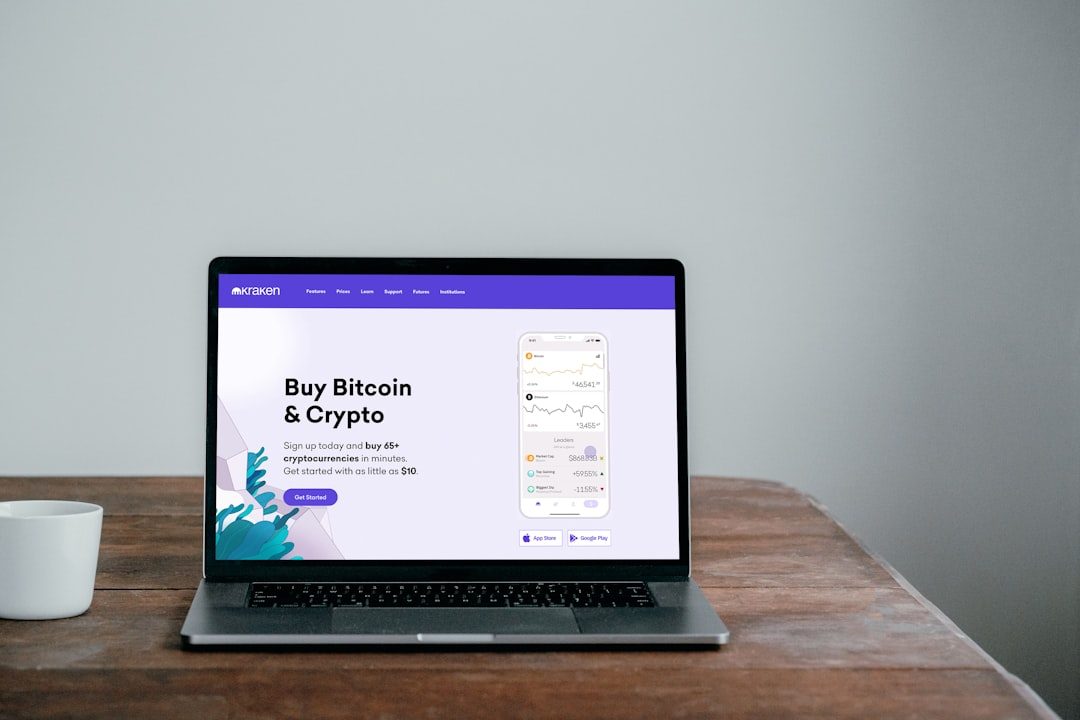
Nasdaq's venture arm committed $100 million to Payward, parent of the Kraken exchange, backing a framework called Nasdaq Equity Tokens that would put publicly listed stocks on round-the-clock blockchain rails. The investment, reported by Bloomberg at a $21 billion valuation, deepens a partnership first announced in March and adds a market surveillance agreement across Payward's venues.

Payward confidentially filed for a U.S. initial public offering and reported $508 million in adjusted revenue for the second quarter of 2026, up 17% year over year. Its xStocks platform has processed $25 billion in volume since launching less than a year ago. Trading of tokenized stocks is now targeted for the second quarter of 2027, a shift from the original Q1 target.

Why it matters

If Nasdaq's tokenized rails launch, listed stocks can trade around the clock on blockchains — and the exchange that owns the rails keeps control of the next cycle of market infrastructure.

Questions about this story

Free account needed to ask — your question is kept and asked for you right after sign-up. Answers are public.

No questions yet — be the first to ask.

Key Indicators

$25B
xStocks cumulative transaction volume
Surpassed $25 billion in total transaction volume since launching less than a year ago, with over 85,000 unique holders.
$508M
Q2 2026 adjusted revenue
Payward's second-quarter adjusted revenue, up 17% from a year earlier, per its confidential IPO filing.
$21B
Reported valuation from Nasdaq investment
Bloomberg reported the Nasdaq deal values Payward at $21 billion, a ~58% step-up from Deutsche Börse's April stake at $13.3 billion.
Q2 2027
Nasdaq Equity Tokens launch target
Expected to become operational in H1 2027, with live trading targeted for Q2, moved from an earlier Q1 2027 plan.

Voices

Curated perspectives — historical figures and your fellow readers.

Ever wondered what historical figures would say about today's headlines?

Sign up to generate historical perspectives on this story.

People Involved

Organizations Involved

Timeline

November 2025 September 2026

6 events Latest: 2 days ago
Tap a bar to jump to that date
  1. Nasdaq Ventures invests $100M in Payward

    Latest Investment

    Nasdaq committed $100 million, deepening the tokenized-equities partnership and adding a market surveillance agreement across Payward's venues.

  2. London Stock Exchange brings top London stocks to xStocks

    Partnership

    Payward's LSE deal will put the 100 largest London-listed companies into the xStocks framework for eligible international investors.

  3. Deutsche Börse takes $200M stake in Payward

    Investment

    The German exchange bought 1.5% of Payward at an implied valuation of $13.3 billion, becoming the first major exchange on its shareholder register.

  4. Nasdaq and Payward unveil tokenized equity framework

    Partnership

    The companies announced Nasdaq Equity Tokens plus a framework linking Nasdaq's regulated infrastructure to Payward's xStocks platform.

  5. Citadel Securities invests $200M in Payward at $20B valuation

    Investment

    Citadel Securities agreed to invest $200 million at a $20 billion valuation, marking one of the first big traditional-finance stakes in Payward.

  6. Payward confidentially files for U.S. IPO

    Corporate

    Payward filed a confidential registration statement for a U.S. initial public offering, which would eventually disclose its official valuation.

Scenarios

1

Nasdaq Equity Tokens go live on Kraken's xStocks platform

Likely Resolves by Jul 15, 2027

Discussed by: Reuters; Nasdaq and Payward joint statements

The build-out completes on schedule, regulators clear the framework, and the first Nasdaq-listed equity trades as a token on xStocks in Q2 2027. The surveillance deal and issuer protections hold, giving issuers and investors confidence to participate. This is the outcome both companies are publicly working toward.

2

Payward's IPO filing confirms or disputes the $21B valuation

Possible Resolves by Q2 2027

Discussed by: ABC Money; Bloomberg; Payward has confidentially filed for IPO

Payward's confidential IPO filing becomes public, and the offering documents disclose the company's official valuation. The reported $21B figure, which traces to Bloomberg's unnamed sources rather than company statements, faces its first hard test. A public filing within 10% of $21B validates the investment; a materially lower mark undercuts it.

3

A second major exchange launches live tokenized equities

Possible Resolves by End of 2027

Discussed by: Reuters coverage of Deutsche Börse, LSE, and crypto-native platforms

Deutsche Börse, London Stock Exchange, or a rival such as CBOE or ICE moves from partnership to live product, starting trading of a tokenized listed equity on its own rails. Exchanges are racing to capture blockchain-based assets before crypto platforms expand into stocks, and Payward's LSE deal suggests the rush is on.

4

IPO filing reveals valuation below $21B

Possible Resolves by Q2 2027

Discussed by: AInvest, ABC Money, and other analysts

Payward's confidential IPO filing becomes public and discloses a valuation materially below the $21 billion reported by Bloomberg, undercutting the Nasdaq investment's implied mark. The gap with Deutsche Börse's April $13.3 billion valuation would face scrutiny.

Historical Context

3 moments from history that rhyme with this story — and how they unfolded.

February 1971

Nasdaq's founding (1971)

Nasdaq launched as the world's first fully electronic stock market, replacing phone calls and floor shouts with a price-quoting computer network. Stock exchanges had worked the same way for two centuries.

Then

Electronic trading won out over floor-based markets across the globe within two decades.

Now

The exchanges that built the new rails kept control; those that resisted lost share or were bought.

Why this matters now

Nasdaq itself was the disruptive new rail. Now it is trying to build the next one so blockchain trading doesn't bypass it the way electronic trading bypassed floor markets.

March 2024

BlackRock's BUIDL tokenized fund (2024)

BlackRock launched BUIDL, a tokenized money market fund, working through regulators rather than around them. The fund grew past $1 billion in assets within months.

Then

BUIDL proved institutional demand for tokenized assets is real and that a mainstream manager can run one within securities law.

Now

It anchored a shift toward putting real-world assets on blockchains, from Treasuries to now equities.

Why this matters now

BUIDL showed the playbook Nasdaq is now following: build regulated, issuer-protecting rails and let the tokens trade where buyers already are.

1990s-2000s

Electronification of equity trading (1990s-2000s)

Exchanges spent two decades moving from open-floor auctions to electronic matching engines, squeezed by ECNs and new entrants that moved first. NYSE's hybrid market and decimalization in 2001 marked the end of the old floor era.

Then

Firms that built electronic infrastructure early, like Nasdaq and the ECNs, gained share and pricing power.

Now

Infrastructure transitions reward whoever owns the rails; the payoff now is settlement speed, not seat on an exchange floor.

Why this matters now

Blockchain settlement is that kind of transition, and Nasdaq, Deutsche Börse, and LSE are all buying in rather than getting displaced.

Sources

(12)