

First successful organ transplant (1954)
Dr. Joseph Murray performed the world's first successful kidney transplant at Peter Bent Brigham Hospital in Boston, between identical twins Richard and Ronald Herrick. The operation succeeded precisely because identical twins share the same immune profile, bypassing the rejection problem that had defeated all prior attempts.
Richard Herrick lived eight more years, married, and had children. The success proved organ transplantation was biologically possible.
Murray won the 1990 Nobel Prize. It took another decade to develop immunosuppressive drugs that made transplants between non-identical individuals viable — transforming a twin-only curiosity into standard medicine.
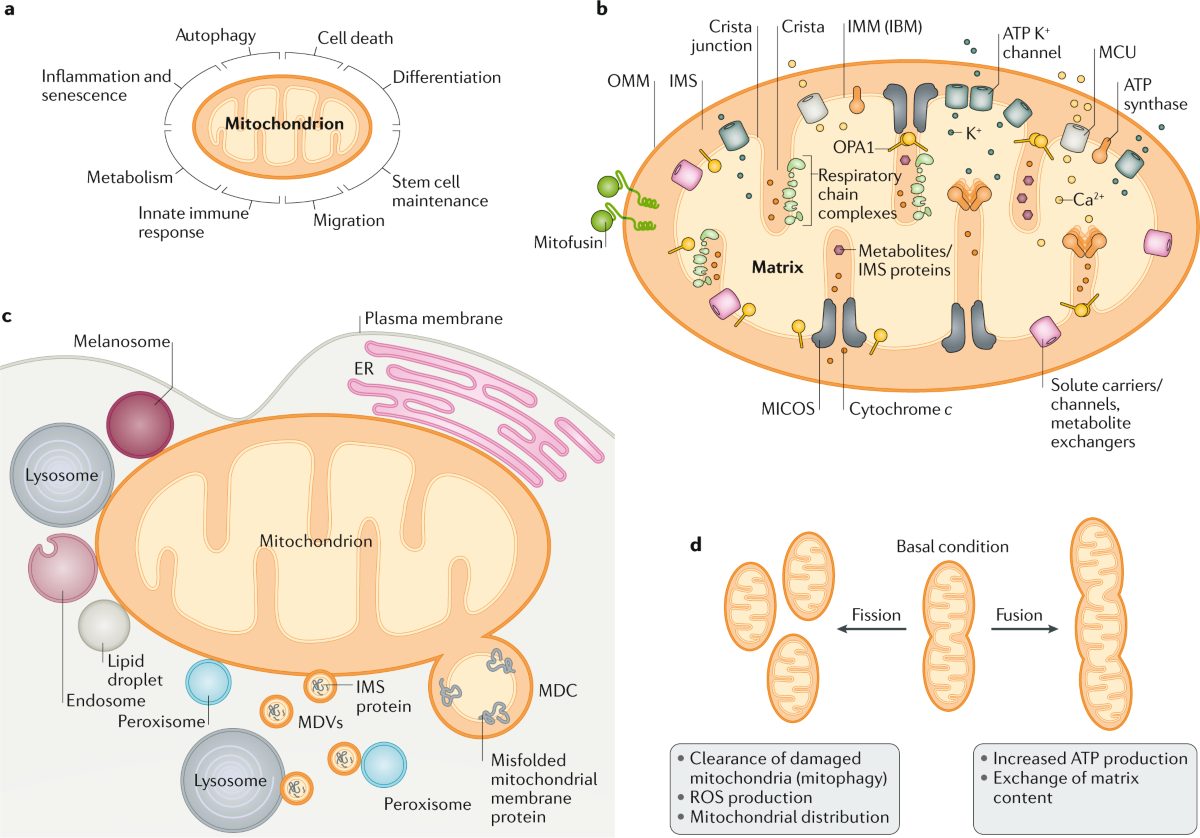
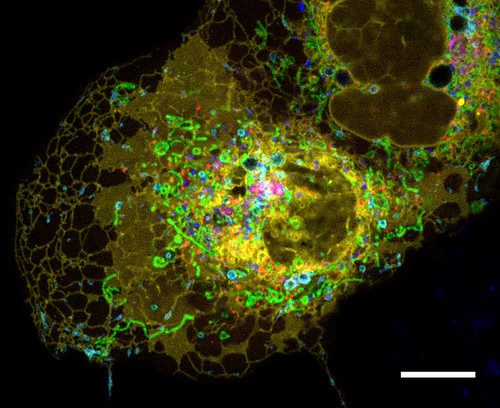
The mitochondrial capsule technique solves an analogous rejection problem at the cellular level. Just as the immune system attacks foreign organs, cells destroy foreign mitochondria. The red blood cell membrane disguise is, in essence, an immunosuppression strategy for organelles.