The board unanimously adopted the 2026-27 budget and a $512.3 million tax levy on Oct. 26; the average home tax bill is projected to rise about 6.9%, and the district is rebuilding two elementary schools and shopping for a health insurer
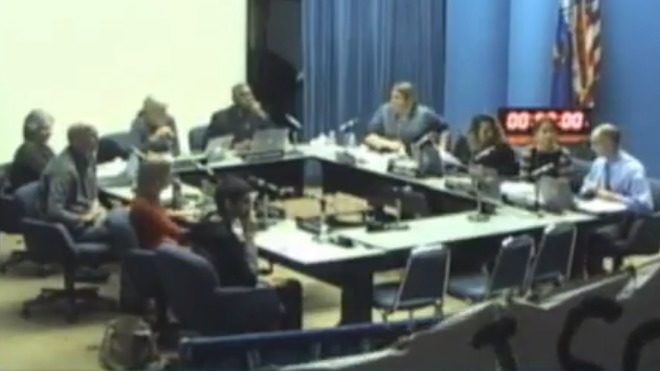
Madison's school board unanimously adopted the 2026-27 budget on October 26 and certified a $512.3 million tax levy. The district's fall forecast puts the average city homeowner's school tax bill up $335.24, or 6.87%, less than last year's increase, with the general fund at $555.4 million.
A report presented to the board found about 22% of elementary classrooms below the district's minimum class size goal, up from roughly 16% last fall, as enrollment fell by about 300 students. Officials said smaller classes can help learning but cost money, and board member Ali Muldrow wants a deeper look at how class size relates to achievement. A November meeting is to address attendance boundaries and food services and begin planning the 2027-28 budget.
Why it matters
The October 26 vote sets what Madison homeowners pay for schools this year; the district's own forecast puts the average bill $335 higher.
14 events
Latest: 2 days ago
Showing 8 of 14
JK to step
Tap a bar to jump to that date
Jump to
November 2026
Report finds 22% of elementary classes below minimum size goal
LatestData
A report presented to the School Board found about 22% of elementary classrooms below the district's minimum class size goal, up from roughly 16% last fall, as enrollment fell by about 300 students. Officials said smaller classes can help learning but cost money; board member Ali Muldrow wants a deeper look at how class size relates to achievement.
Work group outlines November agenda and 2027-28 planning
Meeting
The Operations Work Group reported it discussed healthcare, staffing, referendum sustainability, facilities and the 2026-27 budget. A November meeting is to address attendance boundaries and food services and begin planning the 2027-28 budget.
October 2026
Board scheduled to adopt final 2026-27 budget
Vote
Board adoption of the final Fall Approved (Original) Budget for 2026-27.
Board unanimously adopts 2026-27 budget
Vote
The board unanimously approved the 2026-27 budget, with $910,888,842 in revenue and $918,976,480 in expenditures. About 80% of spending goes to wages and personnel. Members cited staff cost-of-living raises, math curriculum, accessibility work, school safety staffing, full-day 4K and parental leave funding. Finance staff said ongoing revenue matched ongoing expenses.
Board asked to certify $512.3 million tax levy
Vote
The agenda asked the board to certify an all-funds levy of $512,286,482, including $440.6M for the general fund, $44.2M for referendum-approved debt service, $7M for capital expansion and $20.5M for community services. Written comments asked for higher Science Olympiad coach stipends.
Fall budget forecast and health insurance RFP presented
Meeting
Operations Work Group hears the fall forecast (average home tax bill +$335.24 or 6.87%, tax rate +2.81%, $555.4M general fund) and an insurance RFP with a carrier decision by April 1, 2027.
District says it will rebuild Anana and Crestwood, not renovate
Announcement
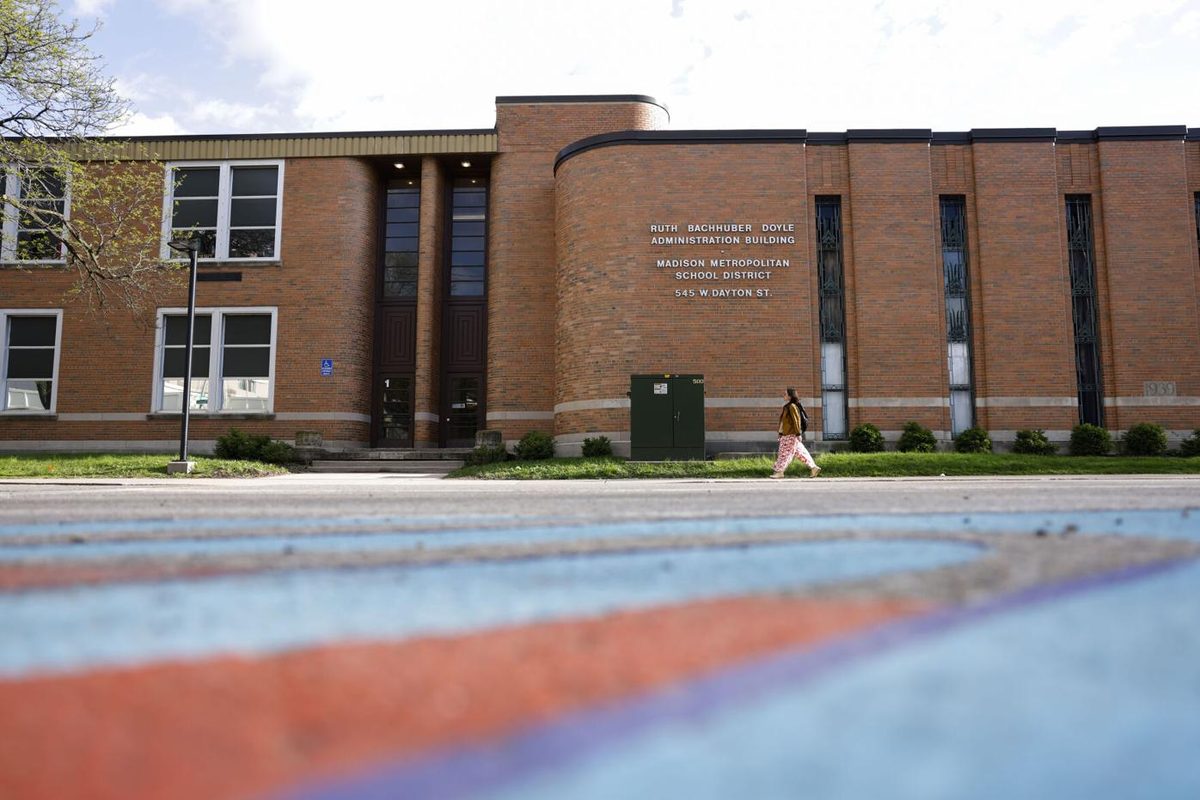
Administrators told the board the two elementary schools will be rebuilt rather than renovated, funded partly by about $13.5 million of an estimated $24 million in referendum interest. Most construction projects are running under budget, with phase-one work projected at about $70.7 million and $76.7 million against earlier estimates of $85 million and $94 million.
Enrollment count finds 318 fewer students
Data
The district's annual count came in 318 students below the prior year, a figure that feeds into state aid and arrives as Madison prepares to finalize attendance-area maps in February.
June 2026
Board votes on preliminary $609M budget
Vote
Board approves preliminary budget including 8.5% property tax levy increase and $3.8M for salary compression.
May 2026
Proposed 2026-27 budget presented
Meeting
Proposed budget presented at Operations Work Group; board amendments shared and discussed.
Board approves 60-day paid parental leave
Policy
Board approves new paid parental leave policy, making Madison the first Wisconsin district to offer 60 days for all staff.
April 2026
Draft budget presented at first input session
Meeting
Draft Fund 10 expenditures and priority projects presented; first budget input session held at Operations Work Group.
March 2026
District shares 2026-27 budget impacts with board
Briefing
Potential budget impacts for 2026-27 presented to the board, starting the annual budget cycle.
November 2024
Voters approve operating and facilities referenda
Election
Madison voters approve $100M of operating funds over four years ($30M increases in 2024-25 and 2025-26, an additional $20M in each of 2026-27 and 2027-28) plus a $507M facilities referendum.
Scenarios
1
Madison board adopts the 2026-27 budget as forecast
Deadline passed (Oct 26, 2026)
Discussed by: District staff and board members; the budget has been in development since March 2026
The board votes on the final 2026-27 budget at its October 26 meeting. The fall forecast projects a $555.4M general fund and a 6.87% rise in the average home tax bill; the June draft had proposed an 8.5% levy increase and $3.8M for salary compression. Adoption is expected but not guaranteed, as board members could push for amendments.
2
Madison schools switch health insurance carriers after RFP
Possible
Resolves by Apr 30, 2027
Discussed by: District staff presented the RFP timeline at the October 19 board meeting
The district's health insurance RFP process could lead to a carrier decision by April 2027. Medical cost trends of 6.5%-8.5% are driving the search for a more cost-effective plan. A carrier change could reduce premium growth but may also mean changes to provider networks and employee out-of-pocket costs.
3
Madison schools seek another operating referendum
Possible
Resolves by Nov 30, 2027
Discussed by: Wisconsin Policy Forum cautioned additional referenda could be necessary
With health costs rising and the referendum's added authority ending after 2027-28, the district may need another operating referendum. The Wisconsin Policy Forum noted this in a recent report. A referendum could appear on a future ballot, asking voters to extend or increase the operating levy.
4
Madison revisits its class-size policy as enrollment falls
Possible
Resolves by Q2 2027
Discussed by: Board member Ali Muldrow and district administrators
With about 22% of elementary classrooms below the minimum class size goal and enrollment down about 300 students, the board could revisit its 2017 class-size policy. Muldrow wants more data on how class size relates to achievement; administrators are considering additional reports in the spring.
Historical Context
2 moments from history that rhyme with this story — and how they unfolded.
1 of 2
2024
Mauston School District referendum crisis (2024)
Mauston, a small Wisconsin district, put two operating referenda on the 2024 ballot. Both failed, forcing $2 million in planned cuts and raising fears the district might dissolve. A third referendum later passed.
Then
District planned $2 million in cuts for 2025-26 before the third referendum passed.
Now
The episode showed how referendum-dependent Wisconsin school funding has become, and how fragile districts are when voters say no.
Why this matters now
Demonstrates what happens when communities reject referenda, a risk Madison could face if costs keep outgrowing its revenue.
2 of 2
2024
Wisconsin 2024 school referendum wave
Across Wisconsin, 241 referendum questions appeared on 2024 ballots in 192 of the state's 421 school districts. Voters approved about 70% of them.
Then
Many districts got funding relief through local property tax increases.
Now
Growing reliance on local referenda as state funding lags inflation, creating a patchwork of well-funded and underfunded districts.
Why this matters now
Madison's 2024 operating referendum was part of this wave, and the district may need to return to voters if costs keep outgrowing its revenue.