
Pull to refresh
Logo
L.A. County approves master plan to redevelop landmark General Hospital campus

L.A. County approves master plan to redevelop landmark General Hospital campus

Built World Los Angeles, CA local

The Art Deco building, mostly empty since the 1994 earthquake, would become 3,200 homes, shops, and a new 450-bed hospital.

Overview

Updated Oct 25

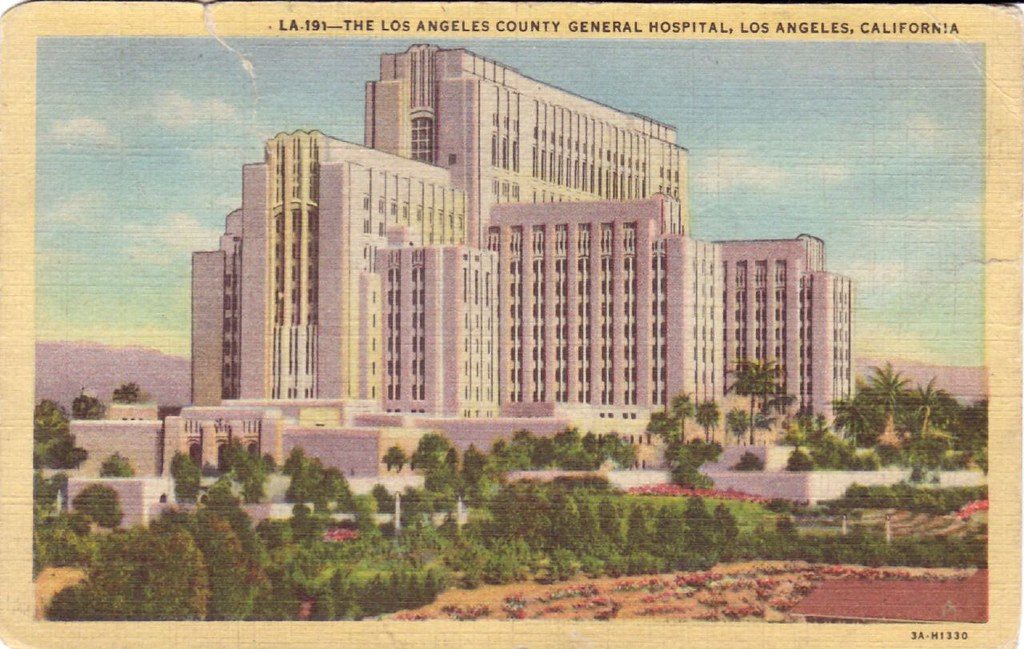
Los Angeles County supervisors adopted the General Hospital campus master plan on October 22, 2026, and certified its final environmental impact report. The plan covers 30.8 acres around the 19-story Art Deco hospital. It allows up to 8.1 million square feet of new development: 3,200 homes, shops, offices and a 450-bed hospital.

Work on the old hospital is already underway. A $120 million stabilization project is clearing debris and preparing the building for reuse, and its Acute Unit joined the National Register of Historic Places in July 2026. County officials expect a master option agreement with developer Centennial Partners to go to the Board of Supervisors before the end of 2026.

Why it matters

If it gets built, a landmark empty since 1994 becomes 3,200 homes and a new public hospital on L.A.'s Eastside.

Last Monday's email for Los Angeles, CA

Sent Nov 9. It carried:

Get next Monday's: one short email a week. Free. Unsubscribe in one click.

Questions about this story

Free account needed to ask — your question is kept and asked for you right after sign-up. Answers are public.

No questions yet — be the first to ask.

Key Indicators

3,200
Planned homes
Residential units proposed across the campus, including affordable and mixed-income housing.
450
New hospital beds
A 450-bed, 400,000-square-foot hospital is part of the proposed medical hub.
25 years
Buildout window
Full buildout could take up to 25 years, delivered in multiple phases.
30.8 acres
Campus size
The master plan covers 30.8 acres around the landmark building.

Voices

Curated perspectives — historical figures and your fellow readers.

Sign up to generate historical perspectives on this story.

People Involved

Organizations Involved

Timeline

1934 October 2026

10 events Latest: October 22nd, 2026 · 3 weeks ago
Tap a bar to jump to that date
  1. Board adopts master plan, certifies Final SEIR

    Latest Approval

    Board of Supervisors votes to adopt the LACGH Campus Master Plan and certifies its final environmental impact report.

  2. Wellness Center moves as stabilization work advances

    Construction preparation

    Crews cleared loose debris from the hospital's upper floors, and The Wellness Center moved to a new campus location in August 2026 ahead of selective interior demolition.

  3. Acute Unit listed on the National Register

    Historic designation

    The county and Centennial Partners secured listing of General Hospital's Acute Unit on the National Register of Historic Places in July 2026.

  4. Draft environmental impact report released

    Environmental review

    Draft Subsequent EIR submitted to the State Clearinghouse on May 15, 2026; the 45-day public comment period closed June 29, 2026.

  5. Centennial Partners selected as developer

    Selection

    Board authorizes a public-private partnership with the Centennial Partners team led by Primestor and Bayspring.

  6. Solis motion launches feasibility study

    Planning

    Supervisor Hilda Solis authors the board motion directing a study of the building's adaptive reuse.

  7. Earlier campus master plan adopted

    Planning

    County adopts an earlier master plan and environmental impact report for the campus.

  8. Medical services move to new building

    Transition

    Services transfer to the new LA General Medical Center next door, leaving the old building mostly vacant.

  9. Northridge earthquake damages hospital

    Disaster

    The 6.7-magnitude quake damages the building; stricter state seismic codes for hospitals follow.

  10. L.A. County General Hospital opens

    Landmark

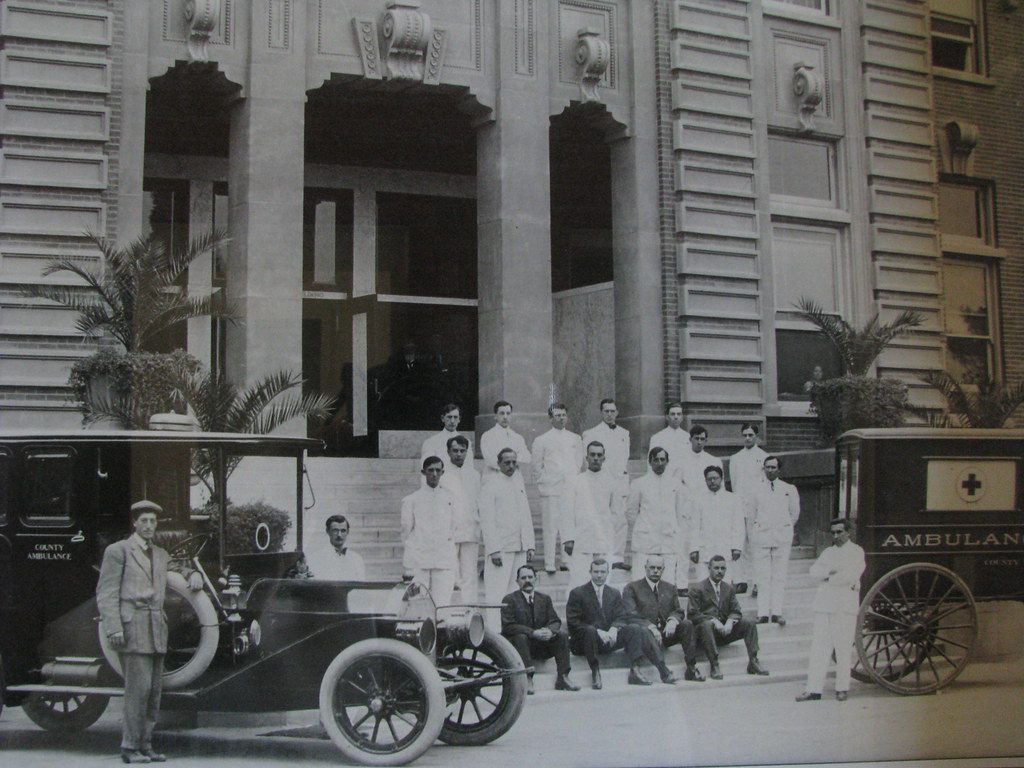
    The 19-story Art Deco hospital opens as a county landmark, later credited as the birthplace of emergency medicine.

Scenarios

1

First phase breaks ground by 2029

Likely Resolves by End of 2029

Discussed by: County officials and the Centennial Partners team, who say stabilization work is already underway

With the final SEIR certified, the developer moves from planning to entitlements and financing. The West Campus commerce hub and the adaptive reuse of the General Hospital building are the most likely early phases. The county's flexible master plan allows individual projects to advance incrementally as market conditions allow.

2

CEQA lawsuit challenges the master plan

Possible Resolves by End of 2026

Discussed by: Community stakeholders who raised concerns about density, displacement, and traffic during the engagement process

California law gives challengers roughly 30 days after approval to file a suit under the California Environmental Quality Act. A lawsuit could seek to void the SEIR certification, forcing additional review and delaying all phases. The county's extensive engagement record and its stated Community Benefits Agreement could help it defend the plan in court.

3

Plan stalls, groundbreaking slips into the 2030s

Uncertain Resolves by End of 2029

Discussed by: The plan's own 25-year buildout window, which lets phases be timed to market conditions

The flexible framework allows phases to sit undeveloped if financing stays expensive or rents soften. Centennial Partners could delay groundbreakings without losing the approved master plan. The 25-year window means the plan can remain approved but dormant for years without failing.

4

Master option agreement reaches the board by December 2026

Likely Resolves by End of 2026

Discussed by: Los Angeles County Department of Economic Opportunity, which said the agreement is being negotiated with Centennial Partners

The county says it is working toward a Master Option Agreement with Centennial Partners and expects it before the Board of Supervisors before the end of 2026. The agreement would set the contractual framework for phased development, including possible phase-specific ground leases that would still need separate approvals.

Historical Context

2 moments from history that rhyme with this story — and how they unfolded.

October 1994

Presidio of San Francisco (1994)

The Army's 1,500-acre Presidio post transferred to the National Park Service after base closure. The Presidio Trust, created in 1996, was given authority to lease buildings to private tenants to generate revenue for preservation.

Then

The Trust leased historic buildings to offices and nonprofits, including Lucasfilm, which built its Letterman Digital Arts Center on the site in 2005.

Now

The Presidio became a national model for self-funding public land preservation, blending housing, offices, and parkland over two decades.

Why this matters now

Shows how large public tracts with historic buildings can be redeveloped through phased public-private partnerships, with revenue from new uses funding the preservation of landmarks.

August 2005

Charity Hospital, New Orleans (2005)

The 2,000-bed Art Deco Charity Hospital closed after Hurricane Katrina flooded its basement and cut power. State officials decided not to reopen it, citing damage and cost, despite its status as the region's main public hospital.

Then

Patients were shifted elsewhere and the building sat vacant for nearly two decades while proposals for reuse repeatedly stalled over funding and political disagreements.

Now

The building became a symbol of the difficulty of redeveloping large historic public hospitals, illustrating how long vacancy can persist when ownership and funding are tangled.

Why this matters now

A cautionary parallel: L.A. County avoided Charity's fate by acting early with a dedicated master developer and a funded environmental review, but the risk of a dormant landmark persists if financing stalls.

Sources

(4)