
Pull to refresh
Logo
Los Angeles votes to ban oil drilling citywide

Los Angeles votes to ban oil drilling citywide

Rule Changes Los Angeles, CA local

Ordinance took effect November 3 and phases out all wells over 20 years, reviving a ban a court struck down in 2024

Overview

Updated 2 days ago

The Los Angeles City Council voted 13-0 on October 28 to ban new oil drilling and phase out existing wells within 20 years. Mayor Karen Bass signed the ordinance the next day, and it took effect November 3.

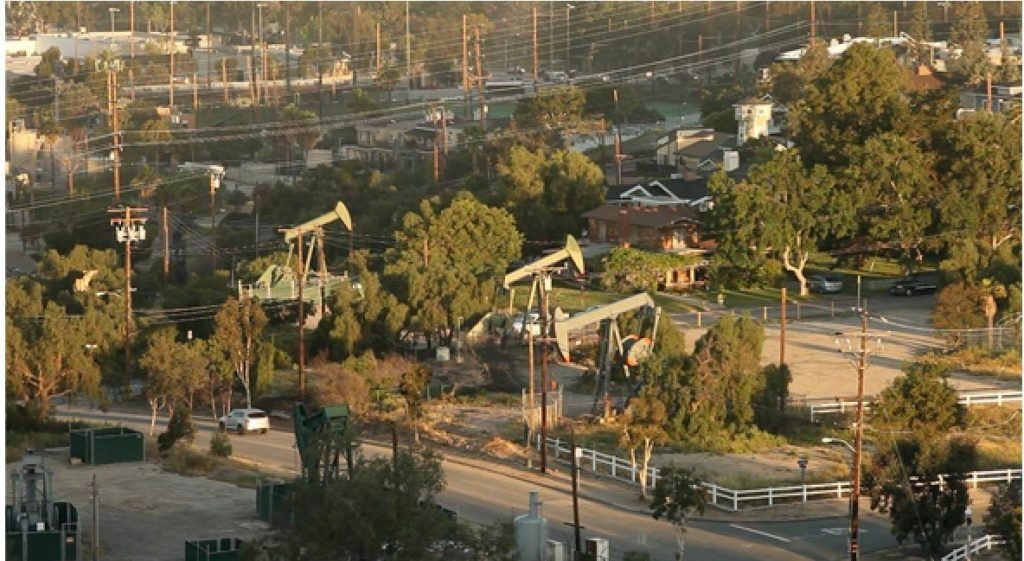
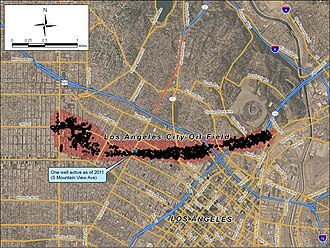
The ordinance covers about 600 active wells and 1,200 idle ones. It revives a 2022 ban that a Superior Court judge struck down in 2024 in a suit brought by Warren Resources, and it relies on AB 3233, a 2025 state law that gives cities authority over oil and gas. The city's Board of Public Works estimates plugging all 1,800 wells will cost about $530 million, and the ordinance bars the routine rework that keeps aging wells producing.

Why it matters

If it survives legal challenges, the ban makes LA the template for US cities phasing out oil wells that sit beside homes and schools.

Last Monday's email for Los Angeles, CA

Sent Nov 9. It carried:

Get next Monday's: one short email a week. Free. Unsubscribe in one click.

Questions about this story

Free account needed to ask — your question is kept and asked for you right after sign-up. Answers are public.

No questions yet — be the first to ask.

Key Indicators

13-0
Council vote
Unanimous vote with two members absent
1,800
Oil wells covered
About 600 active and 1,200 idle wells, according to the LA Times
$530M
Plugging estimate
Estimated cost to plug all wells, based on Board of Public Works per-well figures reported by CA4ES Energy Brief
20 years
Phaseout period
Existing wells must cease production within 20 years of the November 3 effective date
759
Active oil wells
Active wells cited by Councilmember Adrin Nazarian; the LA Times reported roughly 600

Voices

Curated perspectives — historical figures and your fellow readers.

Sign up to generate historical perspectives on this story.

People Involved

Organizations Involved

Timeline

December 2022 November 2026

10 events Latest: November 3rd, 2026 · 1 week ago
Tap a bar to jump to that date
  1. Oil drilling ban takes effect

    Latest Legislation

    The ban on new drilling and the 20-year phaseout took effect. The city also filed its Notice of Determination for the ordinance that day.

  2. Ordinance published with November 3 effective date

    Legislation

    The City Clerk published the ordinance. It lists November 3, 2026 as the date the ban and phaseout take effect.

  3. Mayor Bass signs the ordinance

    Legislation

    Mayor Karen Bass signed the council-passed ordinance, according to the mayor's office. The City Clerk published it the next day with an effective date of November 3.

  4. Council passes the ban 13-0

    Legislation

    LA City Council votes to ban new drilling and phase out existing wells within 20 years.

  5. Planning Commission recommends adoption

    Regulatory

    City Planning Commission votes to recommend the council adopt the ordinance with its environmental clearance.

  6. Environmental review released

    Regulatory

    Mitigated Negative Declaration opens for a 30-day public comment period.

  7. City Planning releases draft ordinance

    Regulatory

    Initial draft of the new oil drilling ordinance is released for public review.

  8. Newsom signs AB 3233

    Legislation

    Governor signs state law granting California cities explicit authority to regulate oil and gas operations.

  9. LA City Council passes first drilling ban

    Legislation

    Council ordinance bans new drilling and phases out existing wells within 20 years.

Scenarios

1

Ban survives court challenge, phaseout proceeds

Likely Resolves by End of 2028

Discussed by: Environmental justice advocates and legal analysts who expect AB 3233 to hold up in court

Oil companies file suit in the coming weeks, but courts uphold the ordinance under AB 3233's explicit grant of authority. The 20-year phaseout is treated as a reasonable regulation rather than a taking, since wells can keep operating during the transition. The city begins the process of plugging wells and redeveloping sites as they close.

2

Court strikes down the ban as an illegal taking

Unlikely Resolves by End of 2028

Discussed by: Oil industry groups, including the California Independent Petroleum Assn

Courts side with Warren Resources and other producers, finding the ban takes private property without just compensation. They also accept the argument that AB 3233 overreaches and does not override longstanding state jurisdiction over production. The ordinance is invalidated, forcing the city to negotiate compensation or abandon the effort — the same outcome as 2024.

3

Partial ruling: new drilling banned, phaseout modified

Possible Resolves by End of 2029

Discussed by: Legal commentators anticipating a middle-ground outcome

A court upholds the ban on new drilling but rules that forcing existing wells to close requires compensation or a longer timeline. The city adjusts the ordinance to comply, preserving the core policy while giving producers more runway. Wells continue to operate but decline over a longer period.

4

Wells close early under one-year idle rule

Possible Resolves by Nov 3, 2027

Discussed by: CA4ES Energy Brief, analyzing the ordinance text

The ordinance bars rework that keeps aging wells producing, and a well idle for one year must be terminated and cannot restart. That could shut down many of the city's 1,200 idle wells well before the 20-year deadline, leaving the plugging bill even as output falls.

Historical Context

2 moments from history that rhyme with this story — and how they unfolded.

1920s

The 1920s Los Angeles oil boom

In the 1920s, Southern California operated as a free-for-all for drilling rights and quickly became one of the world's top oil-exporting regions. Wells went up wherever oil was found, including on residential lots and next to schools.

Then

Oil wealth fueled LA's rapid growth and made it a petroleum powerhouse.

Now

Haphazard well placement left hundreds of drilling sites embedded in residential neighborhoods, which is why the phaseout is so complex today.

Why this matters now

Explains how oil wells ended up near homes, schools, and parks in Los Angeles in the first place.

January 1969

The 1969 Santa Barbara oil spill

A Union Oil platform blowout off Santa Barbara released an estimated 3 million gallons of crude oil along roughly 35 miles of California coastline, killing thousands of seabirds and drawing national attention.

Then

The spill galvanized the modern environmental movement and contributed to passage of the National Environmental Policy Act in 1969.

Now

California became a leader in restricting offshore drilling, setting a pattern of environmental and public health concerns taking priority over oil industry interests.

Why this matters now

Marked the start of California's shift away from oil production, a trajectory that now extends to urban wells.

Sources

(10)