
Pull to refresh
Logo
Las Vegas council deferred review of 1994 North 13th Street billboard permit

Las Vegas council deferred review of 1994 North 13th Street billboard permit

Rule Changes Las Vegas, NV local

Council approved the 32-year-old billboard permit 7-0 on October 21, with conditions

Overview

Updated Oct 23

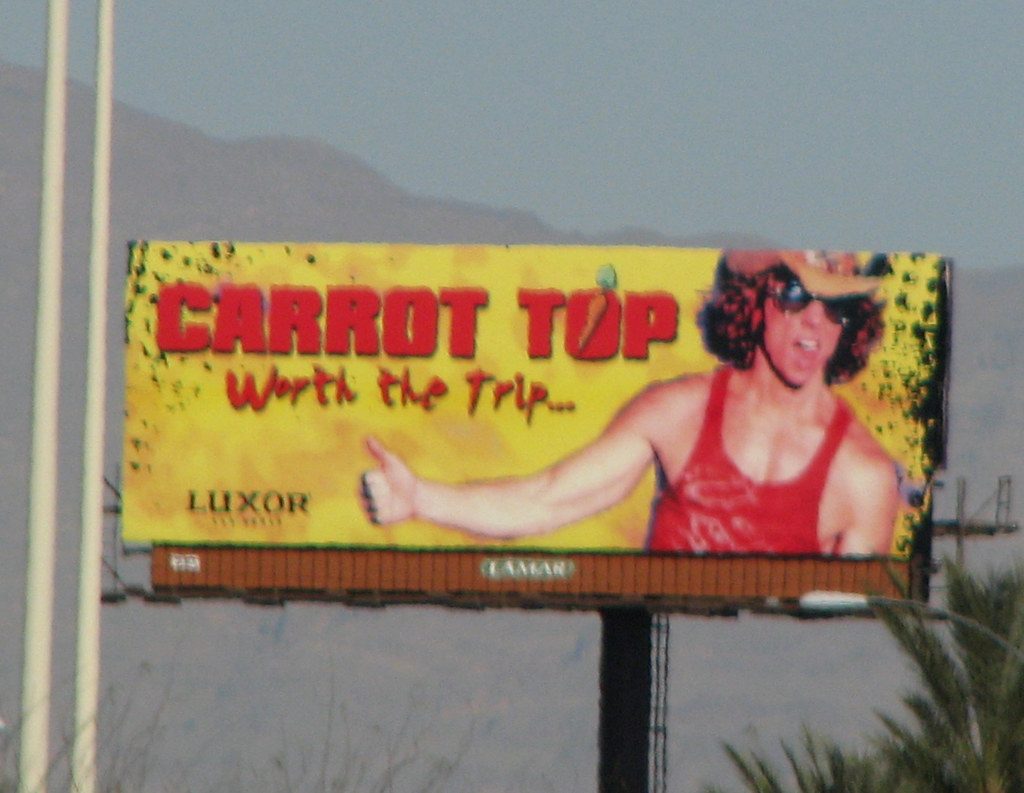
The Las Vegas City Council approved the required review of special use permit U-0322-94 on October 21, voting 7-0 subject to conditions. The permit lets Lamar Central Outdoor keep a 70-foot billboard at 369 North 13th Street.

The sign has operated since 1994, and the council had deferred the item from its October 7 hearing. Staff recommended approval with conditions on maintenance, graffiti removal and a re-review in three or five years. The action minutes record the vote but do not list the specific conditions.

Why it matters

The vote shows how Las Vegas handles decades-old billboard permits when they come up for required review.

Last Monday's email for Las Vegas, NV

Sent Nov 9. It carried:

Get next Monday's: one short email a week. Free. Unsubscribe in one click.

Questions about this story

Free account needed to ask — your question is kept and asked for you right after sign-up. Answers are public.

No questions yet — be the first to ask.

Key Indicators

70 ft
Sign height
The billboard at 369 North 13th Street stands 70 feet tall.
14 × 48 ft
Sign face size
The advertising face measures 14 by 48 feet.
1994
Permit year
Special use permit U-0322-94 was first issued in 1994.
32 years
Years since permit issued
The permit has been in force for three decades.

Voices

Curated perspectives — historical figures and your fellow readers.

Sign up to generate historical perspectives on this story.

People Involved

Organizations Involved

Timeline

4 events Latest: October 21st, 2026 · 3 weeks ago
Tap a bar to jump to that date
  1. Council approves 13th Street billboard permit review

    Latest Decision

    The council approved the required review of special use permit U-0322-94 on a 7-0 vote, subject to conditions. The action minutes do not list the conditions.

  2. City Council takes up billboard permit

    Hearing

    The council took up the required review of the 70-foot sign's special use permit at 369 North 13th Street.

  3. Council defers billboard decision; item placed in abeyance

    Hearing

    The council deferred the billboard item, placing it in abeyance; the decision is rescheduled to October 21.

  4. Agenda published for billboard permit review

    Publication

    Las Vegas City Council posts agenda listing item 26-0369-RQR1, a required review of the 13th Street billboard's special use permit, with a hearing set for October 7.

Scenarios

4

Billboard hearing deferred, decision postponed

Possible Resolves by Nov 15, 2026

Discussed by: Common procedural outcome — agenda items are regularly deferred, withdrawn, or moved

The council continues the item to a later date without deciding. The sign continues operating under its existing permit while the review is pending. The published agenda itself notes that items are regularly deferred.

Historical Context

2 moments from history that rhyme with this story — and how they unfolded.

1965

Highway Beautification Act (1965)

President Lyndon Johnson signed the Highway Beautification Act in 1965, restricting billboards along interstate highways. States that failed to regulate outdoor advertising lost 10% of their federal highway funds.

Then

The law pushed states to adopt billboard control programs, including permit systems and limits on off-premise signs.

Now

It established the federal role in local billboard regulation and the permit-based framework cities use to manage off-premise signage.

Why this matters now

The Las Vegas review operates within this permit-based framework: a 1994 special use permit is being reconsidered under city land use rules that trace back to this regulatory tradition.

2015

Reed v. Town of Gilbert (2015)

The U.S. Supreme Court unanimously struck down a town's sign code that treated different categories of signs differently, ruling the content-based distinctions violated the First Amendment.

Then

Local governments across the country revised sign codes to be more content-neutral.

Now

The decision raised the legal stakes for how cities write and enforce sign regulations, including billboard permits.

Why this matters now

Any decision in the Las Vegas review must be defensible under the constitutional standards for sign regulation established by Reed.

Sources

(7)