0
What do private equity owners usually do once they take controll?
PE owners load the company with acquisition debt, squeeze out costs and margin over 3-7 years, then sell or IPO it — a playbook that's paid off for KKR in most deals but blew up spectacularly with its 2018 Envision Healthcare buyout.
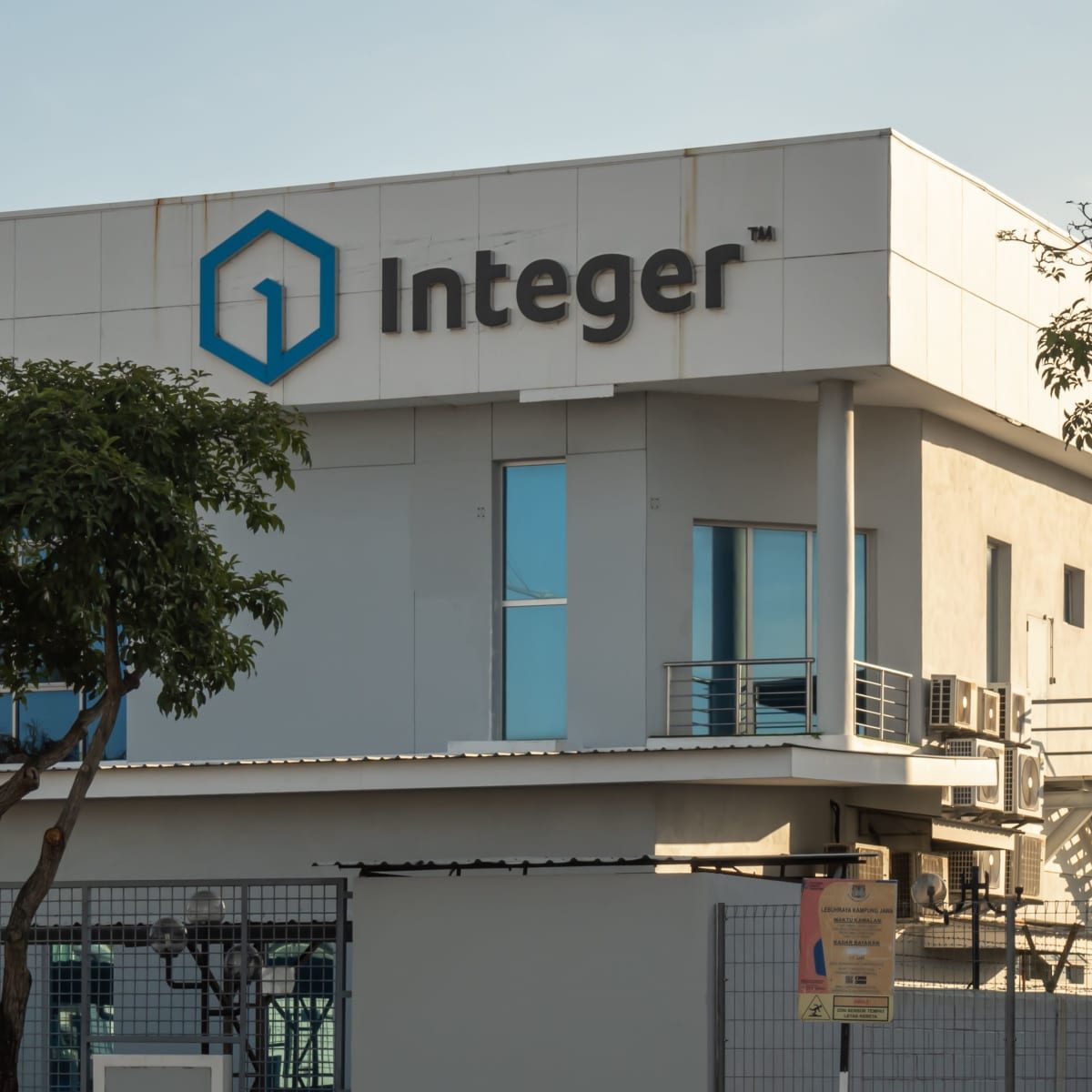
Why it matters: Integer supplies parts for pacemakers and defibrillators to Abbott, Boston Scientific and Medtronic, so how KKR manages debt and cost pressure at the company could ripple through the medical-device supply chain those makers depend on.
- Leveraged buyouts typically put down a fraction of the purchase price in equity and finance the rest with debt secured against the target's own assets and cash flow — the company, not the PE firm, carries the debt burden.
- Owners then push operational improvements and cost-cutting (layoffs, restructuring, asset sales) to boost margins and service that debt, aiming to grow enterprise value before an exit.
- Holding periods now average around 7 years, with exits via strategic sale, resale to another PE firm, or an eventual IPO.
- KKR's own record shows the risk: its $10 billion Envision Healthcare buyout used $5 billion in debt and collapsed into Chapter 11 in 2023 when COVID-era volume drops and reimbursement changes left the company unable to service that debt, wiping out KKR's roughly $3.5 billion equity stake.
Room for disagreement
- PE industry defenders argue cost discipline and leverage genuinely improve operational efficiency and can grow a company faster than public-market ownership allows.
- Critics like the Private Equity Stakeholder Project point to cases like Envision as evidence that heavy debt loads regularly push portfolio companies into distress or bankruptcy, especially in healthcare where regulatory and reimbursement shifts can hit cash flow hard.
AI-generated with web search — may be wrong. Check the linked sources.