

Pull to refresh
Logo
JEA builds a gas plant on the bones of its old coal plant

JEA builds a gas plant on the bones of its old coal plant

Built World

Florida regulators clear a $1.57 billion, 675-megawatt gas unit for Jacksonville's municipal utility

August 19th, 2026: State regulators approve the plant

Overview

Updated Aug 20

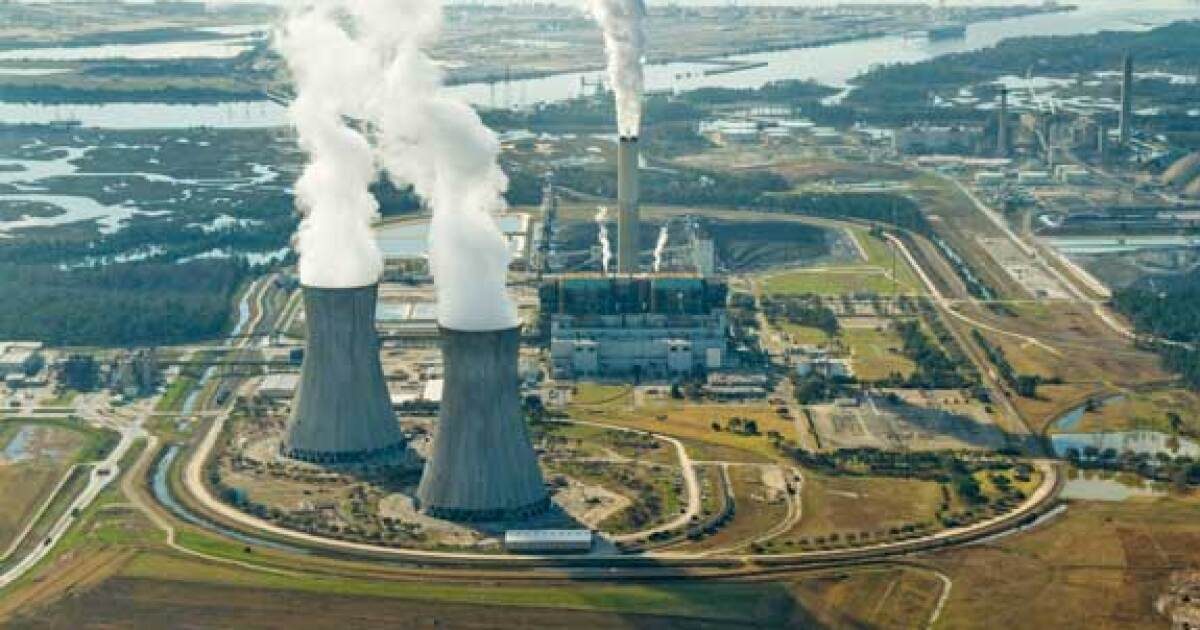
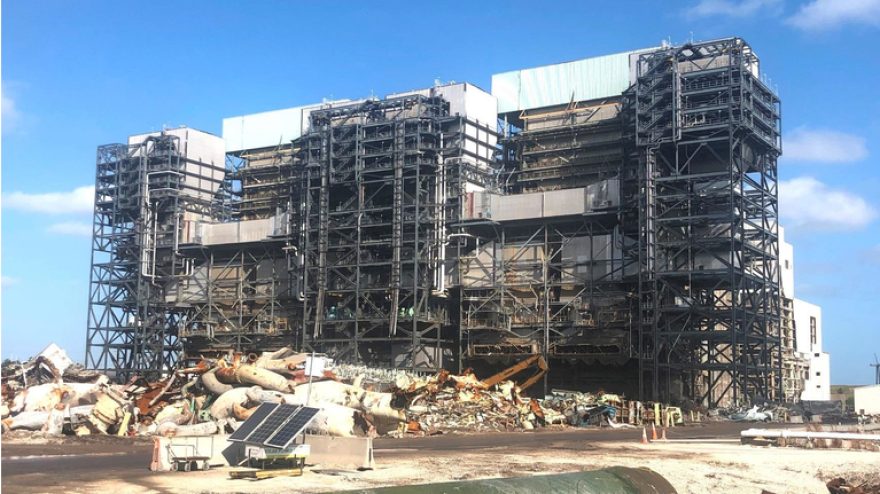
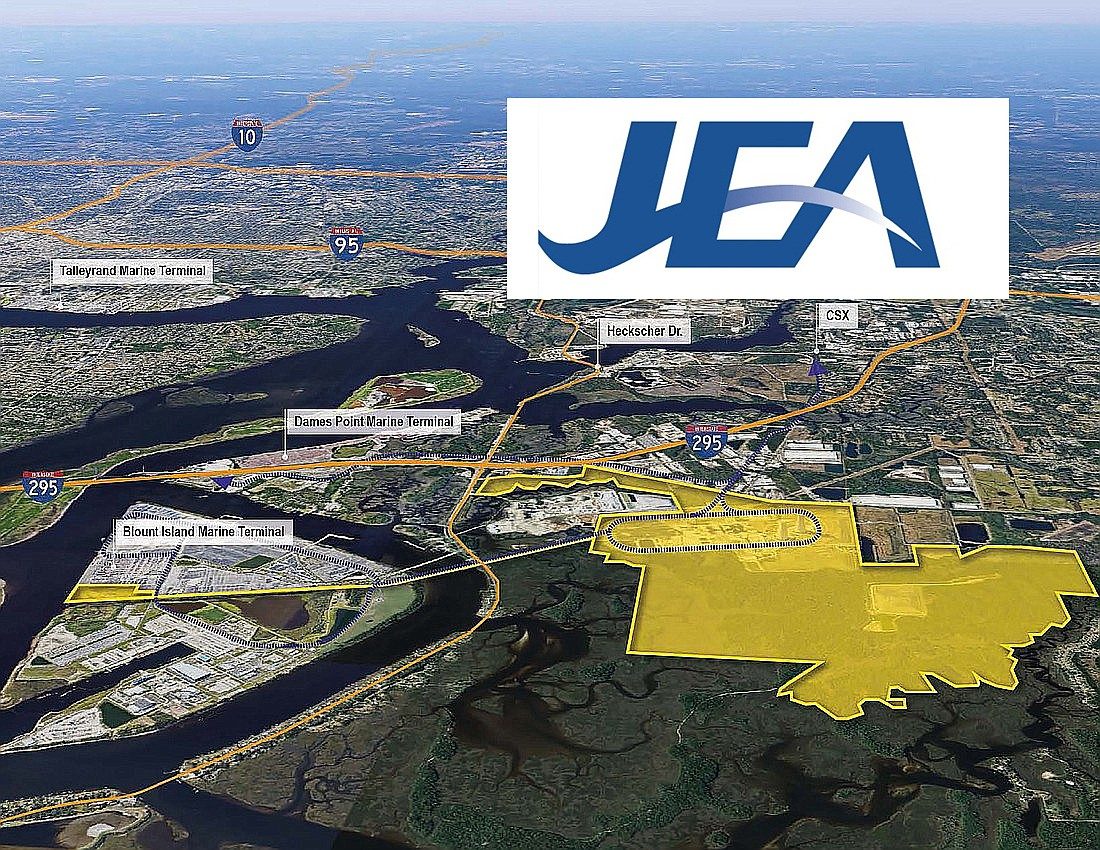
In 2018, JEA imploded the towers of a 1,250-megawatt coal plant north of Jacksonville. On the same ground, the utility will now build a $1.57 billion natural gas plant.

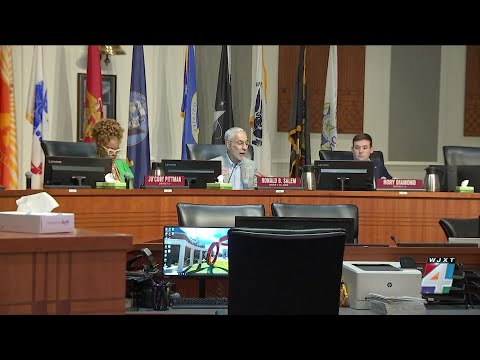
On August 18, 2026, Florida's utility regulator unanimously ruled the plant is needed. The decision moves an eight-year coal-to-gas shift from paper into steel, and ties JEA's 541,000 electric customers to natural gas past 2050.

Why it matters

JEA's 541,000 electric customers will fund a $1.57 billion gas plant through rising bills and stay tied to natural gas for decades.

Questions about this story

Free account needed to ask — your question is kept and asked for you right after sign-up. Answers are public.

No questions yet — be the first to ask.

Key Indicators

$1.57B
Project cost cap
The not-to-exceed budget JEA's board set for the plant.
675 MW
New plant capacity
Roughly 678 megawatts of combined-cycle gas generation.
2031
Target in-service year
When the unit is scheduled to start supplying power.
541,000
JEA electric customers
The ratepayers who fund the plant through their bills.
37%
Less gas per megawatt-hour
Fuel savings versus JEA's aging Northside Unit 3.

Voices

Curated perspectives — historical figures and your fellow readers.

Ever wondered what historical figures would say about today's headlines?

Sign up to generate historical perspectives on this story.

People Involved

Organizations Involved

Timeline

January 2018 August 2026

5 events Latest: August 19th, 2026 · 3 weeks ago
Tap a bar to jump to that date
  1. State regulators approve the plant

    Latest Regulatory

    The Florida Public Service Commission unanimously grants a determination of need, finding the plant is required to meet growing demand.

  2. CEO takes extended leave

    Leadership

    JEA names an interim leader after CEO Vickie Cavey, who championed the project, takes an extended leave of absence.

  3. JEA board approves the gas plant

    Decision

    The board caps spending at $1.57 billion and authorizes a turbine deal with GE Vernova. Some members said they wrestled with the cost.

  4. Final implosion clears the site

    Milestone

    A 640-foot stack and two boilers come down in the last demolition blast, clearing the ground the gas plant will now occupy.

  5. Coal plant retired

    Milestone

    JEA shuts the 1,250-megawatt St. Johns River Power Park, jointly owned with Florida Power & Light. Customer conservation had cut its output.

Scenarios

1

State certifies the site and construction begins

Likely Resolves by End of 2027

Discussed by: JEA, Florida Department of Environmental Protection

The determination of need is one step. Florida's Department of Environmental Protection still runs the siting and certification process. If it certifies the New Berlin Road site, JEA can break ground and lock in its GE Vernova turbine slot. The utility says it needs the plant online by 2031, which leaves little slack for delay.

2

Plant enters service in 2031 as planned

Possible Resolves by End of 2031

Discussed by: JEA, Utility Dive, American Public Power Association

JEA has repeated the 2031 in-service target through board approval and state review. Combined-cycle gas plants take years to build, and turbine backlogs are long. If engineering, permitting, and construction hold to plan, the unit starts supplying power to Northeast Florida in 2031 and lets JEA retire its 48-year-old Northside gas unit.

3

Costs blow past the $1.57 billion cap

Uncertain Resolves by End of 2031

Discussed by: Sierra Club Florida, consumer advocates, JEA board members

Board members said they struggled with the price. Large power projects often run over budget as steel, labor, and turbine costs climb. If JEA has to return to its board to raise the spending cap above $1.57 billion, that would confirm the cost pressure critics warned about and feed further rate increases for its 541,000 electric customers.

4

Opponents force the project to be cancelled

Unlikely Resolves by End of 2028

Discussed by: Sierra Club Florida, CLEO Institute, St. Johns Riverkeeper

Environmental groups and some ratepayer advocates want JEA to drop the gas plant for solar, storage, and efficiency. They have filed reports, protested, and pressed the board. For this outcome, that pressure or a legal challenge would have to stop the project before it is built. JEA and state regulators have so far backed the plant at every step.

Historical Context

3 moments from history that rhyme with this story — and how they unfolded.

June 2017

Kemper County power plant cost overrun (2017)

Mississippi Power's Kemper 'clean coal' gasification project was abandoned after costs ballooned past $7.5 billion, years late and far over budget. The company switched the plant to run on natural gas instead.

Then

Ratepayers and shareholders absorbed billions in losses on the failed technology.

Now

Kemper became a warning about how big generation projects can spiral past their budgets.

Why this matters now

It grounds the cost-overrun scenario. JEA's board set a $1.57 billion cap, but large power builds have a history of breaking through such limits.

January 2018

St. Johns River Power Park retirement (2018)

JEA and Florida Power & Light shut their jointly owned 1,250-megawatt coal plant, once the largest construction project in Jacksonville's history. Customer conservation had cut its output roughly in half over a decade. Crews imploded its towers, stack, and boilers over the next 18 months.

Then

JEA cut debt and coal costs and freed up the New Berlin Road site.

Now

The cleared land became the location for the new gas plant, closing an eight-year loop on the same ground.

Why this matters now

This is the plant the new unit replaces, on the exact site. It shows how fast a 'permanent' coal asset can be torn down and rebuilt around a different fuel.

2022

TVA Cumberland coal-to-gas replacement (2022)

The Tennessee Valley Authority approved replacing coal units at its Cumberland plant with a 1,450-megawatt gas plant. Environmental groups and the U.S. Environmental Protection Agency criticized the review, and the Sierra Club sued over the environmental study.

Then

TVA pressed ahead with the gas project despite the objections.

Now

The fight became a template for clashes over gas plants pitched as coal replacements across the country.

Why this matters now

It mirrors the JEA dispute: a utility choosing gas over a clean-energy mix, and Sierra Club opposition arguing cheaper renewables exist.

Sources

(8)