
Pull to refresh
Logo
Jacobs-PCL joint venture wins San Francisco wastewater nutrient upgrade

Jacobs-PCL joint venture wins San Francisco wastewater nutrient upgrade

Built World

The $1 billion progressive design-build project must cut nitrogen discharges while the Southeast Treatment Plant keeps treating 80% of the city's wastewater.

Overview

Updated 54 minutes ago

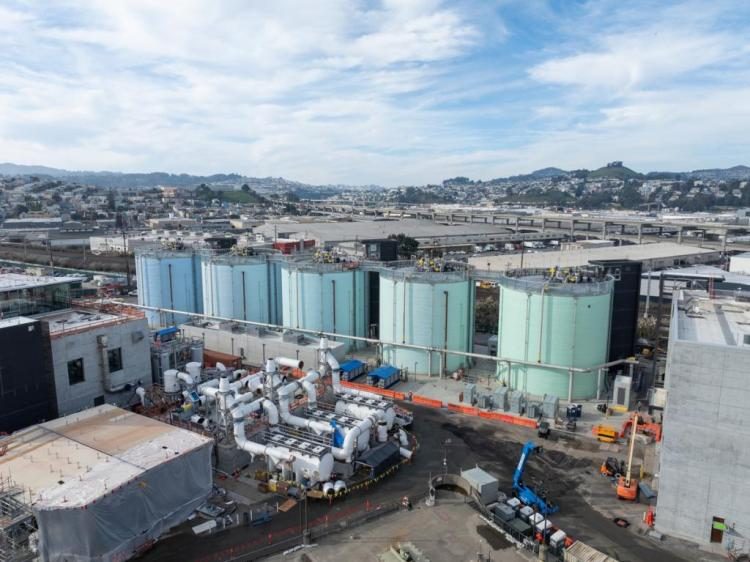
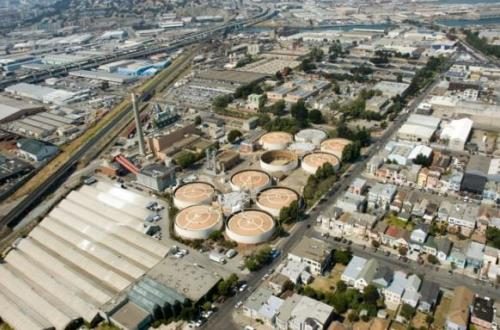
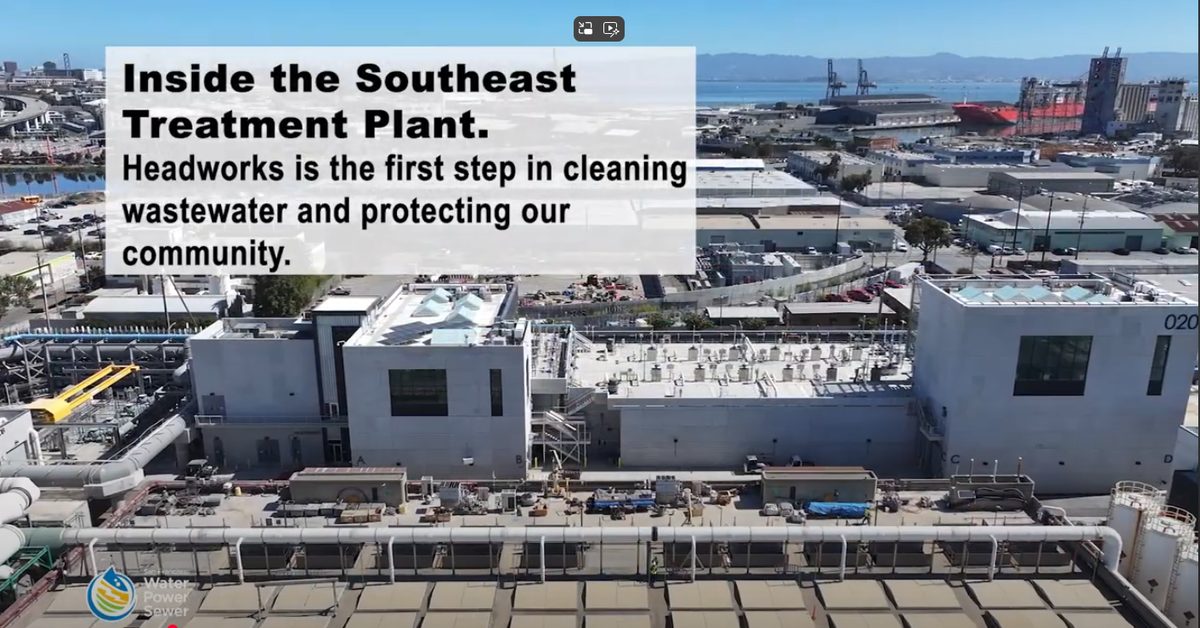
San Francisco's Southeast Treatment Plant has treated the city's wastewater since 1952, handles nearly 80% of it, and discharges into San Francisco Bay. In October 2026, the city selected a Jacobs and PCL Construction joint venture to add advanced nutrient treatment while the plant keeps running.

The job is to cut total inorganic nitrogen in the discharge to 15 milligrams per liter, meeting a regional permit adopted in 2024. The contract uses progressive design-build, so the team will evaluate treatment technologies before fixing construction details. SFPUC estimates the project at $1 billion, while its request for proposals put direct construction cost at $600 million; completion is targeted for 2034.

Why it matters

The bay's largest wastewater plant must cut nitrogen without shutting down, testing whether progressive design-build can retrofit an aging plant under live flow.

Questions about this story

Free account needed to ask — your question is kept and asked for you right after sign-up. Answers are public.

No questions yet — be the first to ask.

Key Indicators

$1B
SFPUC project investment estimate
Jacobs and SFPUC describe the nutrient reduction project as a $1 billion investment.
$600M
Estimated direct construction cost
The SFPUC request for proposals listed this figure for direct construction.
80%
Share of city wastewater treated at Southeast plant
The plant is San Francisco's largest wastewater facility.
85.4 MGD
Dry-weather treatment capacity
Rated capacity from the SFPUC bid documents.
15 mg/L
Total inorganic nitrogen effluent commitment
SFPUC's target for the upgraded plant.
3,300 kg/d
Permit cap for total inorganic nitrogen
Limit in the 2024 Nutrient Watershed Permit.
2034
Targeted completion
PCL Construction says completion is anticipated in 2034.

Voices

Curated perspectives — historical figures and your fellow readers.

Sign up to generate historical perspectives on this story.

People Involved

Organizations Involved

Timeline

1952 November 2026

7 events Latest: Today
Tap a bar to jump to that date
  1. Global Construction Review reports the award

    Today Publication

    The trade publication describes the $1 billion San Francisco wastewater upgrade.

  2. SFPUC selects Jacobs-PCL for nutrient project

    Award

    The joint venture won the $1 billion progressive design-build contract.

  3. Evaluation recommends Jacobs-PCL joint venture

    Procurement

    SFPUC completed its evaluation and recommended the Jacobs-PCL team.

  4. Proposals due from pre-qualified teams

    Procurement

    Only two pre-qualified teams could submit proposals.

  5. SFPUC issues design-build RFP

    Procurement

    The commission seeks proposals for the Southeast plant nutrient reduction project.

  6. Regional board adopts nutrient permit

    Regulation

    The Nutrient Watershed Permit sets nitrogen discharge limits for San Francisco Bay.

  7. Southeast Treatment Plant built

    Background

    The plant began treating San Francisco wastewater and remains the city's largest treatment facility.

Scenarios

1

Plant meets nitrogen limit by 2034

Likely Resolves by End of 2034

Discussed by: SFPUC project documents and PCL Construction award statement

The joint venture finishes design, builds nutrient treatment inside the operating plant and commissions biological systems in time. Meeting the 15 mg/L effluent limit and the 3,300 kg/d permit cap would count as success.

2

Construction cost exceeds $600 million estimate

Possible Resolves by Q2 2030

Discussed by: SFPUC request for proposals and capital project budget documents

Progressive design-build moves cost risk into design decisions and change orders. If SFPUC approves contract amendments that push direct construction spending past the RFP's $600 million estimate, this scenario resolves yes.

3

Regulators tighten the nitrogen limit before startup

Unlikely Resolves by End of 2032

Discussed by: Water Quality Wire analysis of the nutrient award

The regional permit sets the current limit. If the San Francisco Bay Regional Water Quality Control Board adopts a stricter total inorganic nitrogen limit for the plant before construction finishes, the design may need another upgrade.

Historical Context

2 moments from history that rhyme with this story — and how they unfolded.

1985–2000

Boston Harbor cleanup (1985–2000)

A federal court order forced Massachusetts to build secondary treatment for Boston's sewage, which had discharged largely untreated into the harbor. The Massachusetts Water Resources Authority built the Deer Island plant and an outfall tunnel at a cost of about $3.8 billion.

Then

The harbor's water quality improved sharply and beaches reopened.

Now

The case became a template for court-ordered wastewater upgrades and for regional authorities building large plants under deadlines.

Why this matters now

San Francisco faces a similar test: an old coastal plant, a legal permit deadline, and a retrofit that must proceed while the system operates.

2014–2025

London Tideway Tunnel (2014–2025)

London built a 25-kilometre tunnel to capture sewage overflows from its Victorian combined sewer system. The project cost about £4.2 billion and was designed to reduce discharges into the Thames.

Then

The tunnel began operating in 2025.

Now

It showed how a city can add massive wastewater capacity underground without replacing its entire sewer network.

Why this matters now

San Francisco is retrofitting an existing plant rather than building a new tunnel, but the operating constraints and permit deadlines are similar.

Sources

(5)