

Pull to refresh
Logo
Irish parliament votes to end UN requirement for overseas troop deployments

Irish parliament votes to end UN requirement for overseas troop deployments

Rule Changes

Dáil passes the Defence (Amendment) Bill 79-71 and sends it to a select committee, as ministers weigh a return to Operation Irini and bigger missions in the Balkans

Overview

Updated Oct 24

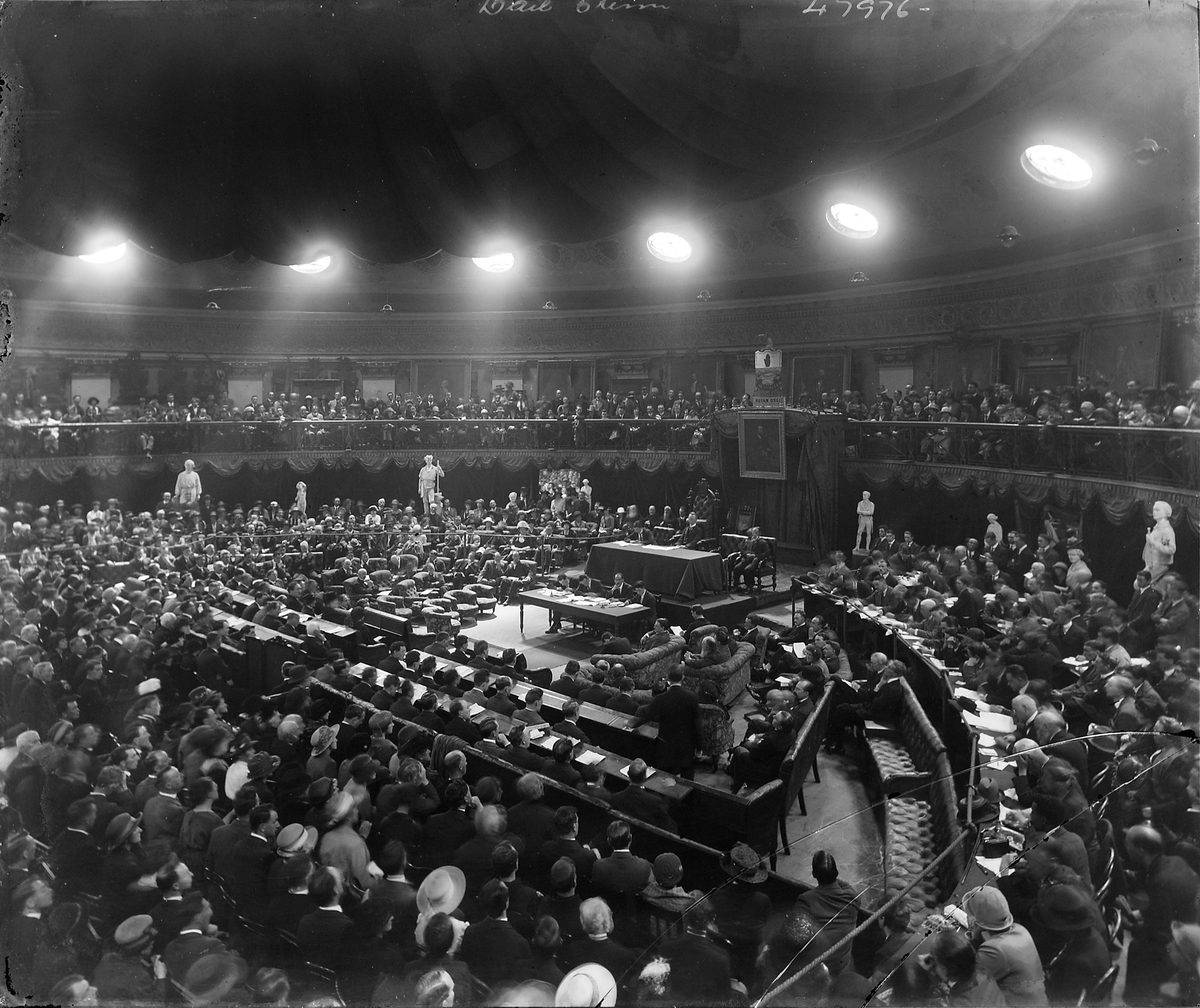
Ireland's Dáil passed the Defence (Amendment) Bill by 79 votes to 71 on October 21, the first stage of removing the United Nations Security Council's veto over where Irish soldiers deploy. The bill swaps the UN mandate requirement for a broader 'relevant international force' definition, which would let troops join European Union and OSCE missions without Security Council approval.

The bill also raises the number of troops who can deploy without a Dáil vote from 12 to 50 and adds authority for evacuating Irish citizens and protecting the President and ministers abroad. It now goes to a select committee, where opposition parties say it erodes Ireland's military neutrality. Minister for Defence Helen McEntee told a military officers' conference on October 21 that she wants Irish personnel back on the EU's Operation Irini once the law changes.

Why it matters

Should the bill become law, Irish troops can join EU and OSCE missions without a UN mandate, a major shift in Ireland's neutrality policy.

Questions about this story

Free account needed to ask — your question is kept and asked for you right after sign-up. Answers are public.

No questions yet — be the first to ask.

Key Indicators

79-71
Second reading vote
Dáil Éireann passed the Defence (Amendment) Bill's second stage by 79 votes to 71 on October 21.
50
New troop threshold without Dáil vote
The bill raises the ceiling for deployments without a Dáil resolution from 12 to 50 personnel, roughly a platoon with support elements.
12
Old troop threshold without Dáil vote
The 1960 Defence (Amendment) (No. 2) Act set the 12-member threshold that the 2026 bill replaces.
4
Personnel pulled from Operation Irini
Irish troops withdrew from the EU naval mission in May 2026 when its UN authorization lapsed, while 23 other countries stayed.
300+
Irish troops in UNIFIL
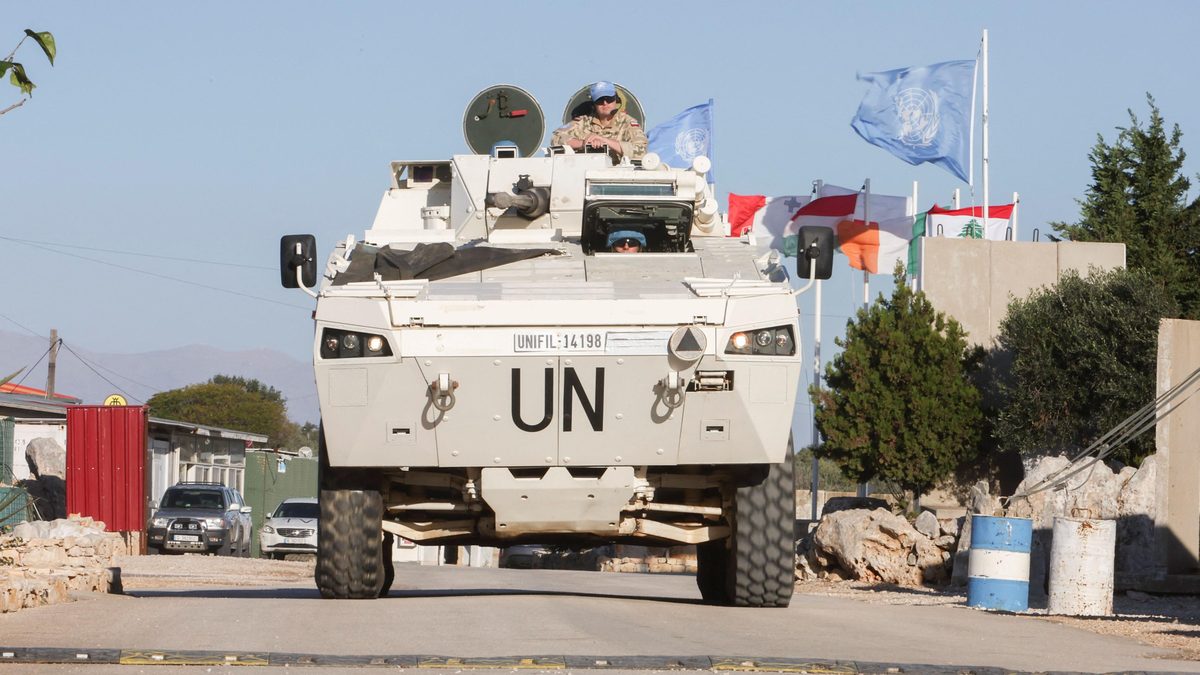
More than 300 Irish soldiers are stationed in south Lebanon; the peacekeeping mission is due to start winding down early next year.

Voices

Curated perspectives — historical figures and your fellow readers.

Sign up to generate historical perspectives on this story.

People Involved

Organizations Involved

Timeline

1960 October 2026

6 events Latest: October 21st, 2026 · 3 weeks ago
Tap a bar to jump to that date
  1. Dáil passes second reading 79-71

    Latest Legislation

    Defence (Amendment) Bill clears its first major hurdle, removing the UN mandate requirement from the triple lock.

  2. Bill referred to select committee

    Legislation

    After second stage, the Dáil voted 79-71 to refer the Defence (Amendment) Bill to a select committee for line-by-line scrutiny.

  3. McEntee seeks return to Operation Irini

    Deployment

    At the Representative Association of Commissioned Officers conference, the Minister for Defence said she would like Irish personnel to rejoin the EU naval mission in the Mediterranean once the triple lock is abolished. Military planners are also examining significantly larger contributions to the NATO-led KFOR mission in Kosovo and the EU's Operation Althea in Bosnia, the Irish Times reported.

  4. Ireland forced out of Operation Irini

    Deployment

    UN authorization for the EU naval mission lapses; Ireland's 4 personnel withdraw as 23 other countries stay.

  5. UN force definition codified

    Policy

    Defence (Amendment) Act 2006 defines 'International United Nations Force,' tying Irish deployments to UN authorization.

  6. 12-troop rule established

    Policy

    Defence (Amendment) (No. 2) Act allows up to 12 Defence Forces personnel to deploy abroad without a Dáil vote.

Scenarios

1

Triple lock scrapped: Defence (Amendment) Bill becomes law

Likely Resolves by Jan 31, 2027

Discussed by: Government sources; RTE and Irish Times coverage of the legislative majority

The bill passes committee, report, and third stage in the Dáil, then moves through the Seanad. With a working government majority and the December 31 UNIFIL mandate deadline creating urgency, passage is expected within weeks. The President signs the bill, removing the UN mandate requirement from Irish law.

2

Opposition amendments water down the reform

Possible Resolves by End of 2026

Discussed by: Opposition parties in the Dáil committee stage

Opposition TDs use committee stage to propose amendments restoring UN authorization for high-risk missions, lowering the 50-troop threshold, or adding Dáil scrutiny requirements. If the government needs opposition support to secure passage, it may concede ground on elements like the troop ceiling.

3

President refers bill to Supreme Court

Unlikely Resolves by Q2 2027

Discussed by: Irish constitutional lawyers; would follow a Council of State consultation

Under Article 26 of the Irish Constitution, the President can refer a bill to the Supreme Court to test its constitutionality after consulting the Council of State. A referral would delay enactment until the Court rules. This mechanism is rare for government bills backed by a majority.

4

Irish personnel redeploy to Operation Irini

Possible Resolves by Q2 2027

Discussed by: Minister for Defence Helen McEntee, speaking at the RACO conference

McEntee said she would like to see Irish personnel return to the EU naval mission targeting arms smuggling to Libya, which Ireland left in May when its UN authorization lapsed. Any deployment of more than 12 personnel would still need a Dáil resolution under the new law, and the mission would have to qualify as a 'relevant international force'.

Historical Context

3 moments from history that rhyme with this story — and how they unfolded.

1960

Defence (Amendment) (No. 2) Act 1960

Ireland passed the Defence (Amendment) (No. 2) Act 1960, which allowed a contingent of up to 12 Defence Forces members to be dispatched abroad without a Dáil resolution. Any larger deployment required parliamentary approval.

Then

Small specialist teams could deploy quickly while larger missions needed a public vote.

Now

The 12-member threshold remained law for 66 years, becoming a cornerstone of the triple-lock system that also required UN and government approval.

Why this matters now

The 2026 bill raises this threshold to 50 and removes the UN mandate element, replacing the 1960 framework entirely.

2006

Defence (Amendment) Act 2006

The Defence (Amendment) Act 2006 defined the term 'International United Nations Force,' creating the legal category that tied Irish overseas deployments to UN-authorized missions.

Then

Irish deployments became legally anchored to UN-authorized operations.

Now

This definition stood until the 2026 bill replaced it with 'relevant international force,' allowing EU and OSCE missions without a UN mandate.

Why this matters now

The core legal change in the 2026 bill is replacing this 2006 definition.

May 2026

Operation Irini Withdrawal (May 2026)

The UN authorization for Operation Irini, an EU naval mission enforcing the Libya arms embargo, was not renewed. Ireland's four personnel withdrew immediately, while 23 other participating countries stayed.

Then

Ireland lost its role in a mission it had supported for years, highlighting the practical limits of the triple-lock system.

Now

The episode became the government's central example in the argument for removing the UN mandate requirement.

Why this matters now

Minister McEntee cited Operation Irini repeatedly in the Dáil debate as evidence that the triple lock lets foreign powers force Ireland out of missions it supports.

Sources

(12)