
Pull to refresh
Logo
Ancient Indonesian skeletons reveal earliest known human drug use

Ancient Indonesian skeletons reveal earliest known human drug use

New Capabilities

Tooth wear and betel nut residue push the drug-use record back to 25,000 years ago, at least 3,000 years before prior evidence.

2 days ago: Discovery reported worldwide

Overview

Updated Yesterday

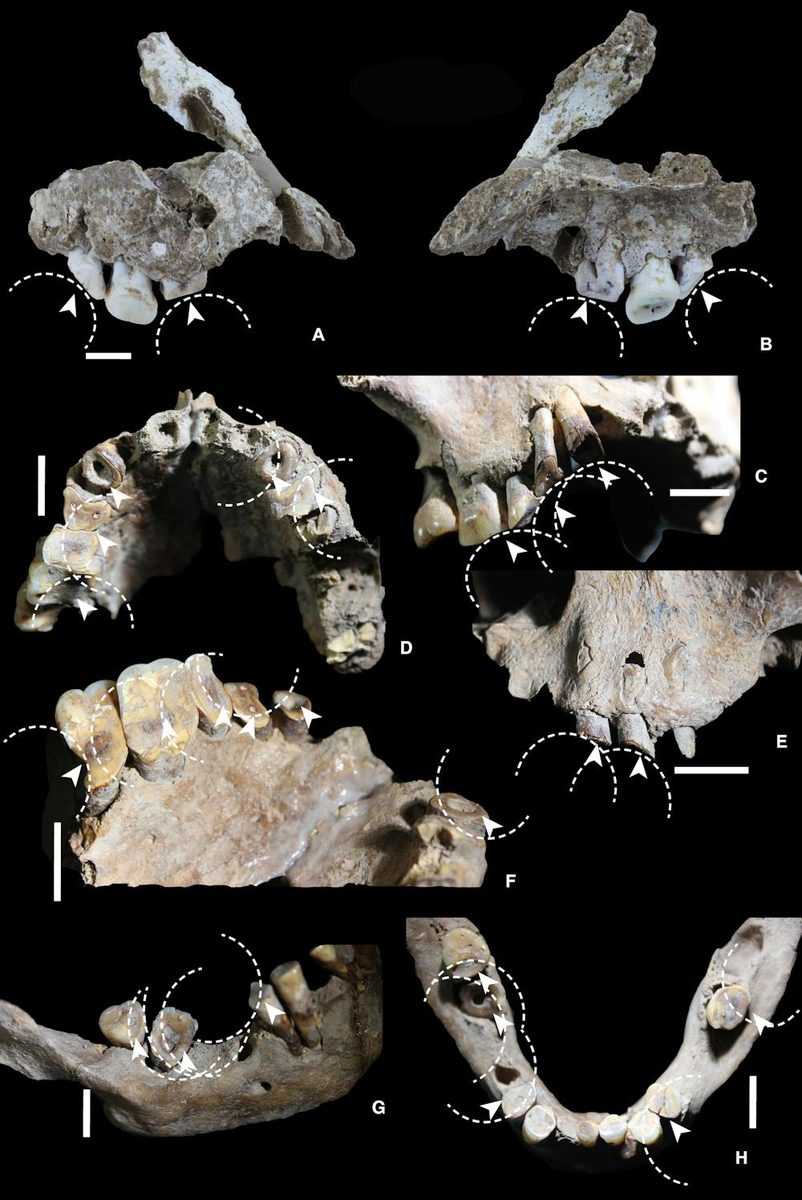
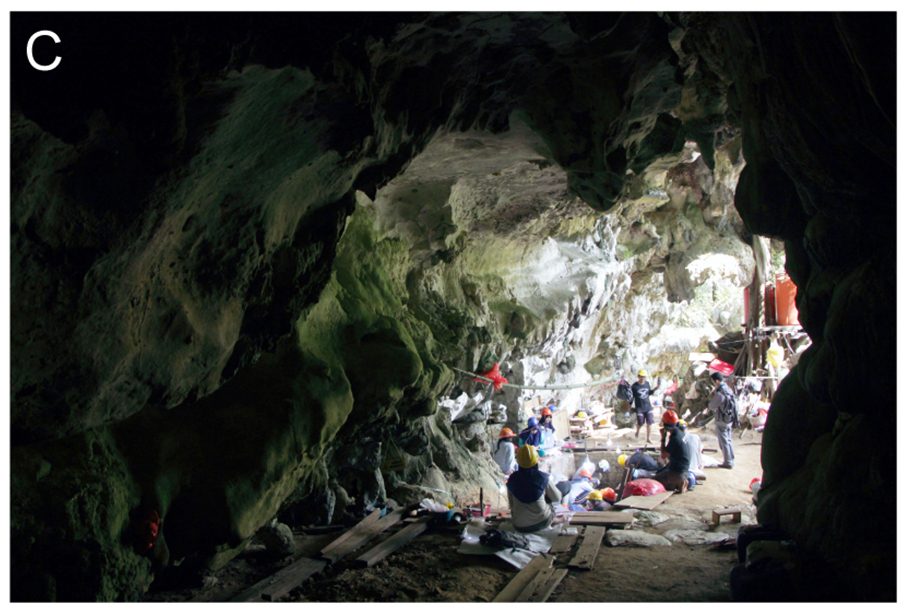
Two sets of remains from the Indonesian island of Sulawesi carry teeth worn into deep, rounded grooves and traces of betel nut residue in their dental tissue. One individual lived 25,000 to 16,000 years ago; the other 7,600 to 6,300 years ago.

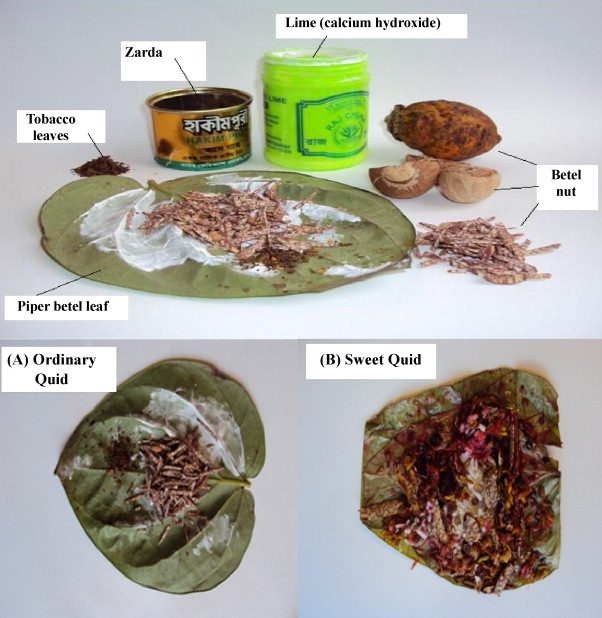
Both habitually sucked whole betel nuts, a practice researchers call the earliest known human drug use. The finding pushes drug use back to before farming began, beating the prior record of barley beer brewed about 13,000 years ago in what is now Israel. Betel nut remains widely used today, the world's fourth most common psychoactive substance after alcohol, caffeine, and nicotine, and roughly one in ten people chews it.

Why it matters

A tenth of humanity still chews betel nut; this shows the habit spans at least 25,000 years, long before farming existed.

Questions about this story

Free account needed to ask — your question is kept and asked for you right after sign-up. Answers are public.

No questions yet — be the first to ask.

Key Indicators

25,000 years
Upper bound of the oldest skeleton's age
One forager dates to 25,000–16,000 years ago; the other to 7,600–6,300 years ago.
3,000 years
How far the record was pushed back (minimum)
Older than the previous drug-use record, 13,000-year-old barley beer from Israel.
10%
Share of global population that chews betel nut
The fourth most-used psychoactive substance after alcohol, caffeine, and nicotine.
3,500 years
Previous estimate for betel nut's origin
Older assumptions tied the habit to the Neolithic or Bronze Age.

Voices

Curated perspectives — historical figures and your fellow readers.

Ever wondered what historical figures would say about today's headlines?

Sign up to generate historical perspectives on this story.

People Involved

Organizations Involved

Timeline

2 events Latest: 2 days ago
  1. Discovery reported worldwide

    Latest Media coverage

    Guardian, BBC, ABC, New Scientist, and other outlets cover the findings; Griffith University issues its own announcement.

  2. Study published in Science Advances

    Research publication

    Griffith University-led team reports betel nut residue and tooth grooves on two Sulawesi forager skeletons, dating drug use back up to 25,000 years.

Scenarios

1

More prehistoric betel nut sites emerge in Southeast Asia

Possible Resolves by End of 2028

Discussed by: Griffith University ARCHE; Science Daily and Popular Science coverage

Follow-up excavations in Sulawesi or neighboring islands find more skeletons with rounded tooth grooves or arecoline residue. That would confirm the practice was common rather than isolated to two individuals, and help map how betel nut spread across the Asia-Pacific region.

2

Critics challenge the betel nut tooth-wear interpretation

Unlikely Resolves by End of 2027

Discussed by: Researchers in dental anthropology and paleoanthropology not involved in the study

Other researchers argue the grooves could come from non-drug behaviors, such as processing fibrous plants or holding abrasive material between the teeth, common among foragers. The arecoline detection in ancient dental tissue could also draw scrutiny given sample age. A published rebuttal would reopen the case.

3

An even older drug-use record surfaces

Possible Resolves by End of 2028

Discussed by: Archaeologists working in Africa, the Middle East, and Asia

With the record now set at 25,000 years, other teams examine older sites for evidence of psychoactive plants, mushrooms, or other substances. A discovery in an older context would push the drug-use timeline back further and raise questions about which plants humans first sought out.

Historical Context

3 moments from history that rhyme with this story — and how they unfolded.

c. 13,000 years ago

Barley beer in the Natufian culture (c. 13,000 years ago)

Stone mortars along the Mediterranean coast of modern-day Israel held starch grains and phytoliths showing Natufian foragers brewed beer from barley and wheat. This had been the earliest evidence of psychoactive substance use.

Then

Established that alcohol use predated farming by centuries.

Now

Set the benchmark for human drug use until the Sulawesi discovery.

Why this matters now

The Sulawesi finding pushes drug use back thousands of years before this beer, placing betel nut ahead of alcohol as the earliest known intoxicant.

c. 8,000 years ago

Coca chewing in the Andes (c. 8,000 years ago)

Chewed coca leaves and lime found in caves in Peru's Nanchoc valley date to about 8,000 years ago, showing stimulant use in South America long before written records.

Then

Established a deep history for coca, which remains central to Andean culture.

Now

Showed separate drug traditions emerged independently across continents.

Why this matters now

Like betel nut, coca is a stimulant with roots deep in prehistory. The two cases show independent drug-use traditions arose on different continents without contact.

c. 3300 BCE

Ötzi the Iceman (c. 5,300 years ago)

The frozen body of a man found in the Alps carried pouches of birch polypore fungus and traces of medicinal plants, suggesting he managed his health with natural substances.

Then

Opened a window into prehistoric self-medication.

Now

Showed early humans combined substance use with personal health practices.

Why this matters now

The Sulawesi team argues betel nut may have started as a toothache remedy. That mirrors Ötzi's pattern of using natural substances for health, putting drug use within a broader history of self-care.

Sources

(11)