



Pull to refresh
Logo
GoPro agrees to merge with Starman Optical

GoPro agrees to merge with Starman Optical

Money Moves

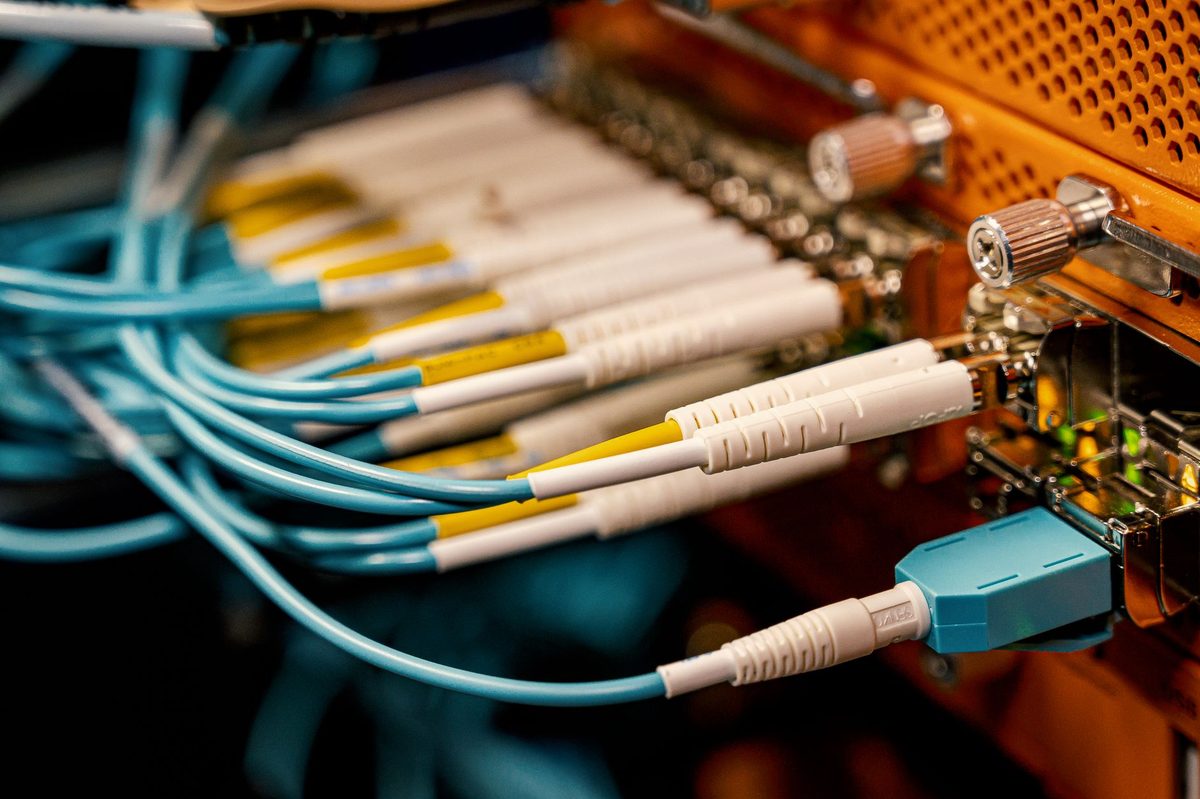
Starman takes a 90% stake as the camera maker pivots from action cams to AI data-center optics

September 1st, 2026: GoPro and Starman announce merger

Overview

Updated Sep 2

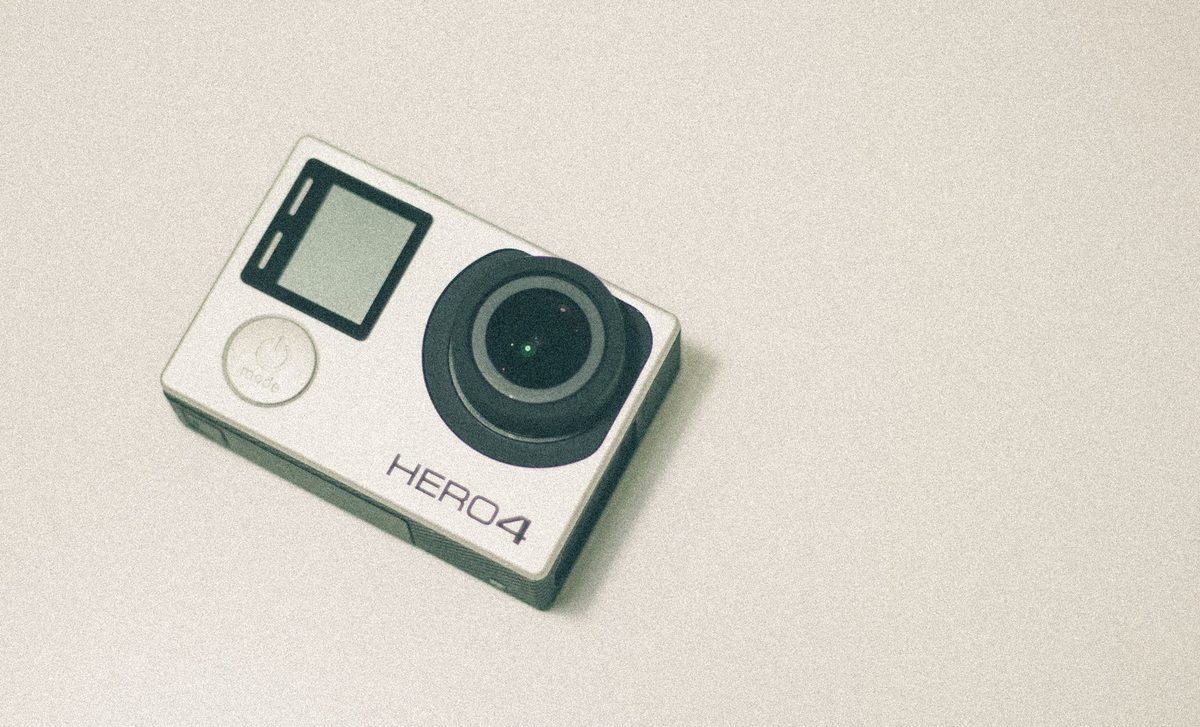
GoPro agreed on September 1 to merge with Starman Optical, a private U.S. maker of optical transceivers for AI data centers. The deal pays shareholders $1.14 per share—about $285 million total—and leaves them with 10% of the combined company.

Starman's owners take control. GoPro stays on Nasdaq, its $92 million debt repaid at closing. The company's 2,500+ patents get pointed at defense, aerospace, and AI infrastructure.

Why it matters

GoPro's 2,500+ optics patents shift from consumer cameras to AI data centers and defense—the markets the U.S. wants onshore.

Questions about this story

Free account needed to ask — your question is kept and asked for you right after sign-up. Answers are public.

No questions yet — be the first to ask.

Key Indicators

$285M
Cash consideration to GoPro shareholders
Paid out as $1.14 per share at closing, subject to a working-capital adjustment.
$1.14
Cash offered per GoPro share
A premium of about 29.5% over GoPro's last closing price before the announcement.
10%
Stake retained by existing GoPro shareholders
Starman's owners receive 90% of the combined company through the merger.
$92M
GoPro debt repaid at closing
Leaves the combined company with a substantially debt-free balance sheet.
+50%
GoPro share rally on announcement day
Shares traded at $1.33, above the $1.14 offer price.
2,500+
U.S. patents in GoPro's portfolio
The optics and imaging patents are a central asset in the merger.

Voices

Curated perspectives — historical figures and your fellow readers.

Ever wondered what historical figures would say about today's headlines?

Sign up to generate historical perspectives on this story.

People Involved

Organizations Involved

Timeline

3 events Latest: September 1st, 2026 · 1 week ago
  1. GoPro and Starman announce merger

    Latest Merger

    Definitive agreement pays GoPro shareholders $1.14 per share; Starman's owners take 90% of the company.

  2. GoPro shares jump above the offer price

    Market reaction

    Stock rises more than 50% to $1.33, above the $1.14 per share offer.

  3. GoPro files 8-K with merger terms

    Regulatory filing

    Terms include a $10 million termination fee, a working-capital adjustment, and a December 31 outside closing date.

Scenarios

1

GoPro and Starman close merger by year-end

Likely Resolves by End of 2026

Discussed by: Reuters, TechCrunch, and the companies' joint announcement

Stockholders approve the deal at a special meeting, the Hart-Scott-Rodino antitrust waiting period expires without a challenge, and the merger closes before the December 31 outside date. GoPro keeps selling cameras and subscriptions while adding Starman's U.S.-made optical transceivers for AI data centers. The combined company then pushes into defense and aerospace.

2

Stockholders reject GoPro-Starman merger

Unlikely Resolves by End of 2026

Discussed by: Traders who pushed GoPro shares above the offer price, reported by Reuters

GoPro shares traded at $1.33 after the announcement, above the $1.14 offer. Some holders may conclude the brand and patents are worth more, or hold out for a rival bid. A majority vote against the deal would leave GoPro with its $92 million debt and no buyer.

3

Rival bidder tops Starman's offer for GoPro

Possible Resolves by End of 2026

Discussed by: Reuters market coverage noting shares trading above the offer

The merger agreement lets GoPro's board accept a superior proposal, paying Starman a $10 million termination fee. The offer was a 29.5% premium to GoPro's last close, and shares trading above $1.14 suggest some investors see room for a higher bid. A rival would likely want GoPro's patents and brand rather than its camera business.

4

Regulators block GoPro-Starman merger

Unlikely Resolves by End of 2026

Discussed by: The merger agreement's Hart-Scott-Rodino clearance requirement

The merger requires clearance under the Hart-Scott-Rodino Antitrust Improvements Act. A government challenge is unlikely given GoPro's size, but a prolonged review could push the closing past December 31, the date either party can walk away.

Historical Context

3 moments from history that rhyme with this story — and how they unfolded.

2001-2008

Polaroid's bankruptcies (2001, 2008)

Polaroid, inventor of instant photography, filed for bankruptcy in 2001 as digital cameras eroded film sales. It emerged, then filed again in 2008 after a private-equity buyout loaded it with debt.

Then

Polaroid's assets were sold piecemeal; the brand lived on through licensing deals.

Now

The Polaroid name outlived the original company, showing that consumer camera brands hold value beyond their products.

Why this matters now

In the Starman deal, GoPro's brand and patents are the assets that matter, not its camera hardware—the same dynamic that kept Polaroid's name circulating.

January 2012

Kodak's bankruptcy (2012)

Eastman Kodak, the company that made photography a mass consumer activity, filed for Chapter 11 bankruptcy in January 2012. Digital cameras had destroyed its film business, and a last-ditch patent sale failed to raise enough to avoid court protection.

Then

Kodak emerged from bankruptcy in 2013 as a commercial printing company, selling its digital camera patents along the way.

Now

The Kodak name survives, but the company left the consumer camera market that made it famous.

Why this matters now

GoPro is following a similar arc: an iconic imaging brand whose core market shrank, rescued by repurposing its technology for new customers.

2012-2014

Motorola Mobility's patent sale (2012-2014)

Google bought Motorola Mobility in 2012, largely for its patents, then sold the handset business to Lenovo two years later while keeping most of the intellectual property.

Then

Motorola's phone business continued under Lenovo; Google kept the patents.

Now

The deal became a template for valuing troubled hardware companies by their patent portfolios rather than their products.

Why this matters now

Starman is paying for GoPro's 2,500+ U.S. patents and its public listing, applying the same patent-over-products logic.

Sources

(10)