


Pull to refresh
Logo
Google backs West Virginia solar-plus-storage project pairing lithium and zinc batteries

Google backs West Virginia solar-plus-storage project pairing lithium and zinc batteries

New Capabilities

MN8's Mammoth Solar pairs 86 MW of solar with lithium and zinc storage to firm up regional data center power

September 2nd, 2026: MN8, Google, and Eos launch $350M storage partnership

Overview

Updated Sep 4

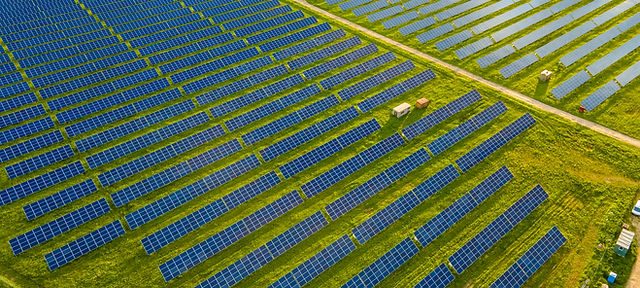
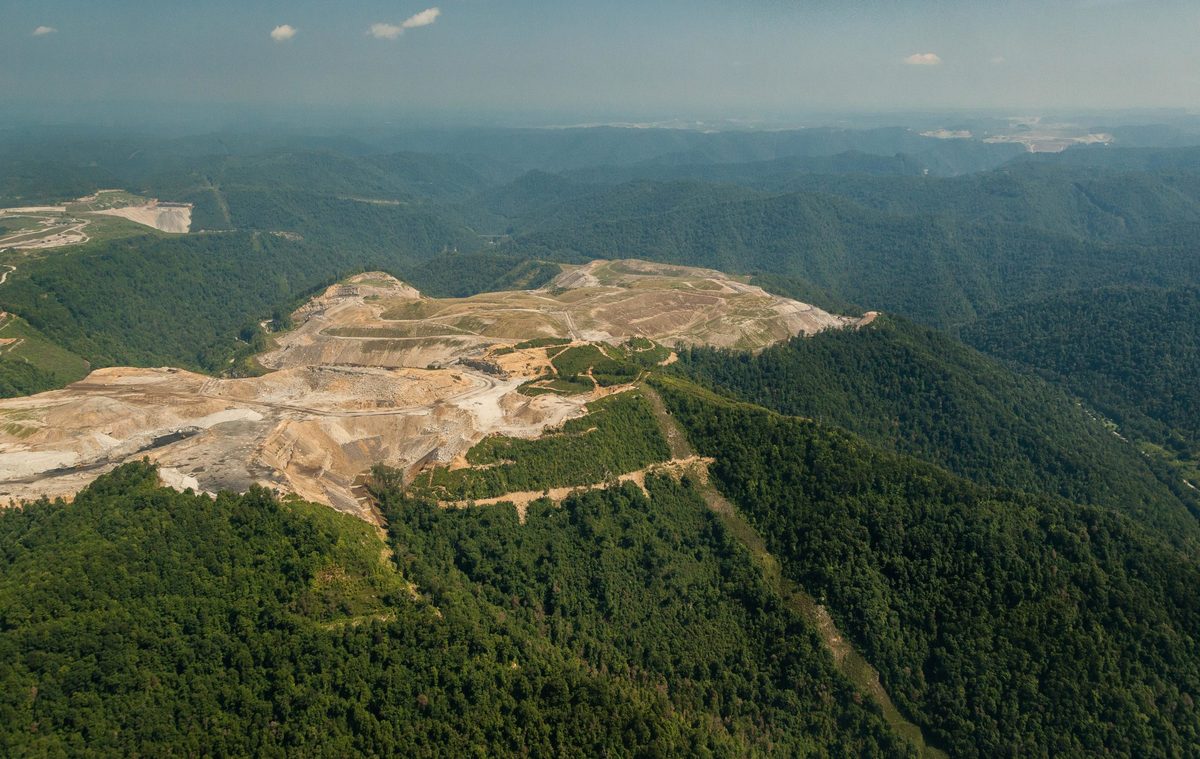
Google is buying the electricity from a $350 million solar-plus-storage project on a reclaimed West Virginia coal mine. Developer MN8 Energy will pair 86 megawatts of solar with lithium-ion batteries and the state's first commercial-scale zinc long-duration storage system.

Data center power demand is straining the East Coast's PJM grid. This project tests whether solar can deliver around-the-clock clean power instead of new gas turbines.

Why it matters

If this works, hyperscalers get a template for round-the-clock clean power without new gas turbines.

Questions about this story

Free account needed to ask — your question is kept and asked for you right after sign-up. Answers are public.

No questions yet — be the first to ask.

Key Indicators

$350M
Capital investment
MN8's estimate for the Mammoth Solar build-out on a reclaimed coal mine.
86 MW
Solar capacity
Utility-scale solar array at the center of the project.
280 MWh
Lithium-ion storage
Four-hour battery paired with the solar array.
100 MWh
Zinc long-duration storage
10-hour Eos Z3 system, the project's novel component.
~200
Construction jobs
Estimated jobs during the build phase, plus operating roles afterward.

Voices

Curated perspectives — historical figures and your fellow readers.

Ever wondered what historical figures would say about today's headlines?

Sign up to generate historical perspectives on this story.

People Involved

Organizations Involved

Timeline

November 2025 September 2026

3 events Latest: September 2nd, 2026 · 1 week ago
  1. MN8, Google, and Eos launch $350M storage partnership

    Latest Announcement

    MN8 will build 86 MW solar with lithium and zinc storage; Google buys the output.

  2. Google buys West Virginia land for data center

    Corporate

    Google purchases land near Buffalo for a planned data center campus.

  3. Mammoth Solar wins state approval

    Regulatory

    West Virginia's utility regulator approves the 86 MW solar project on a reclaimed mine.

Scenarios

1

Mammoth Solar starts up on schedule in 2028

Possible Resolves by End of 2028

Discussed by: MN8 and Google in their project announcements; MGrid's analysis notes the PJM queue position decides whether 2028 is a schedule or an intention.

Construction begins in the first quarter of 2027 as planned. The 86 MW solar array reaches commercial operation in the fourth quarter of 2028, lithium storage follows in 2029, and the zinc system lands in 2030. MN8 and Google declare the integrated portfolio dispatchable on time.

2

PJM queue or Eos delivery pushes the timeline past 2030

Possible Resolves by End of 2030

Discussed by: MGrid's September 2026 analysis flags the interconnection service agreement date and Eos delivery as the two variables to watch.

A slow PJM interconnection queue pushes the solar startup past late 2028, or Eos's Z3 zinc system slips beyond its 2030 target. The project operates as a solar-plus-lithium plant until the long-duration storage arrives, delaying the around-the-clock clean power the partners describe.

3

The Mammoth model spreads to new LDES deals

Likely Resolves by End of 2027

Discussed by: Eos management and investors, who have positioned the Z3 system for utility-scale long-duration storage demand.

The West Virginia project validates zinc-based storage for data center loads. Before the project's own components are fully online, Eos announces a second commercial Z3 deployment with another utility or developer, or Google signs another long-duration storage-linked offtake, showing the model is repeatable.

Historical Context

3 moments from history that rhyme with this story — and how they unfolded.

December 2017

Hornsdale Power Reserve (2017)

Tesla installed a 100-megawatt lithium battery in South Australia, the largest grid battery in the world at the time, built in under 100 days after a state-wide blackout.

Then

The battery sharply cut the region's grid stabilization costs and delivered a fast grid response that gas plants could not match.

Now

It kicked off a global build-out of grid-scale lithium batteries that is now the default clean firming technology.

Why this matters now

Like Hornsdale proved lithium batteries at scale, Mammoth Solar is the proof-of-scale test for zinc-based long-duration storage.

September 2020

Google's 24/7 carbon-free energy pledge (2020)

Google committed to run every data center on carbon-free energy every hour of every day by 2030, replacing annual matching with hourly matching.

Then

The pledge pushed Google to sign deals that pair renewables with storage instead of buying plain energy credits.

Now

It became a template for hyperscaler procurement and a major demand signal for firm clean power.

Why this matters now

The West Virginia project is a direct outgrowth: Google buys the project's energy, capacity, and attributes together to firm around-the-clock supply for its data centers.

2024-2025

Form Energy iron-air pilots (2024-2025)

Form Energy began installing iron-air batteries that discharge for up to 100 hours, with first commercial pilots at Minnesota utilities including Great River Energy and Xcel Energy.

Then

The pilots showed a lower-cost, longer-duration chemistry operating on real grids.

Now

Iron-air competes with zinc, flow, and other chemistries to fill the gap between four-hour lithium and seasonal storage.

Why this matters now

Mammoth Solar's 10-hour zinc system runs the same race at commercial scale, and its outcome will help decide which long-duration chemistry earns utility commitments.

Sources

(8)