


Pull to refresh
Logo
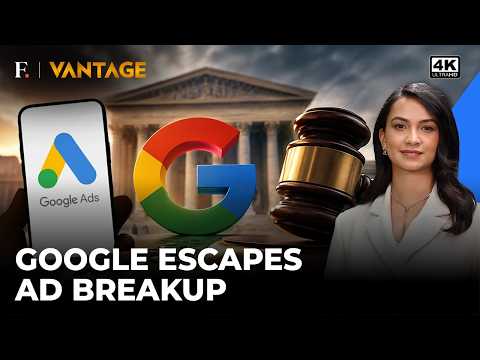
Google avoids ad tech breakup as judge orders behavioral fixes

Google avoids ad tech breakup as judge orders behavioral fixes

Rule Changes

Court rejects DOJ push to sell AdX exchange, opts for interoperability requirements

September 2nd, 2026: Judge rejects breakup, orders behavioral fixes

Overview

Updated 7 days ago

A federal judge ruled on September 2, 2026, that Google can keep its advertising exchange and ad server. Judge Leonie Brinkema of the Eastern District of Virginia rejected the Justice Department's request to force a breakup, instead ordering changes to how Google runs its ad technology business—most of the behavioral remedies the two sides proposed.

The ruling is the second time in a year Google escaped a DOJ proposal to dismantle parts of its internet empire. In August 2025, a judge in the search case also declined to order a breakup. The full remedy opinion remains sealed for 14 days while both parties redact confidential information, so the specific requirements aren't yet public. Google handles about 55 million ad requests per second through the technology at issue, and its advertising business generates roughly $294 billion a year.

Why it matters

Google's ad tech handles 55 million requests per second and feeds a $294 billion business—this ruling decides whether regulators can force the company to share its infrastructure with rivals.

Questions about this story

Free account needed to ask — your question is kept and asked for you right after sign-up. Answers are public.

No questions yet — be the first to ask.

Key Indicators

$294B
Google annual advertising revenue
Total ad revenue across all Google properties and networks for the most recent reported year.
55M
Ad requests per second handled by Google's ad tech
Volume of real-time ad auction requests flowing through Google's systems, per court filings.
20%
Fee Google charges publishers on AdX transactions
Cut Google takes when publishers sell ad space through its exchange.
14 days
Sealing period for full remedy opinion
Time allowed for both parties to propose redactions before the full opinion is made public.

Voices

Curated perspectives — historical figures and your fellow readers.

Ever wondered what historical figures would say about today's headlines?

Sign up to generate historical perspectives on this story.

People Involved

Organizations Involved

Timeline

January 2023 September 2026

3 events Latest: September 2nd, 2026 · 1 week ago

Scenarios

1

Google implements remedies, market structure slowly shifts

Possible Resolves by Sep 2, 2027

Discussed by: AdExchanger; The Guardian

Google follows through on its proposed commitments: making real-time bid amounts from AdX available to rival ad servers, deprecating unified pricing rules, and dropping first-look and last-look advantages. Rival ad tech companies gain incremental access to Google's auction data, eroding Google's grip on publisher ad serving over several years.

2

DOJ appeals the remedy ruling

Possible Resolves by Jun 1, 2027

Discussed by: TechCrunch; Business Insider

The DOJ, which argued behavioral fixes are too weak and easy to evade, appeals to the Fourth Circuit. The appellate court reviews whether Brinkema abused her discretion in rejecting divestiture. An appeal could take 18 to 24 months and would delay any remedy from taking effect.

3

Behavioral remedies prove ineffectual, Google keeps its grip

Possible Resolves by Jan 1, 2028

Discussed by: DOJ court filings; ABC News

Google's remedies end up being largely superficial—competitors gain access to data but lack the scale to meaningfully compete. Publisher and advertiser behavior barely changes because switching costs remain high. The market structure stays essentially intact, validating the DOJ's warning that behavioral fixes are too easy to game.

Historical Context

2 moments from history that rhyme with this story — and how they unfolded.

May 1998 - November 2001

United States v. Microsoft (1998-2001)

The DOJ sued Microsoft for monopolizing the PC operating system market by tying Internet Explorer to Windows. Judge Thomas Penfield Jackson ordered Microsoft split into two companies. The D.C. Circuit Court of Appeals overturned the breakup, and the case settled in 2001.

Then

Microsoft avoided breakup; the settlement imposed behavioral remedies requiring API disclosure and non-discrimination against rivals.

Now

The settlement is widely credited with letting competitors like Mozilla and Google's Chrome emerge, but critics say it arrived too late to matter.

Why this matters now

The Microsoft case is the closest precedent: a federal court finding a tech monopoly, the DOJ seeking breakup, and appellate rejection ending in behavioral remedies instead—exactly the pattern Google's ad tech case is following.

October 2020 - August 2025

US v. Google (search case, 2020-2025)

The DOJ sued Google over its search distribution agreements, including paying Apple billions to be the default search engine. Judge Amit Mehta found Google monopolized search in August 2024. A year later, he declined to order a breakup, instead requiring Google to end exclusive default deals and open distribution channels.

Then

Google kept its search business intact; behavioral remedies targeting default agreements and distribution contracts were imposed.

Now

The ruling established that US courts are skeptical of breakup remedies for Google, even after finding liability.

Why this matters now

This was the first time a judge spared Google from a DOJ-requested breakup. The ad tech ruling followed the same playbook, reinforcing a pattern in US antitrust enforcement.

Sources

(8)