
Pull to refresh
Logo
Netanyahu rejects US-backed Gaza plan that Hamas accepted

Netanyahu rejects US-backed Gaza plan that Hamas accepted

Force in Play

Israel refuses to withdraw troops until Hamas fully disarms, stalling the second phase of Trump's ceasefire framework

August 9th, 2026: Netanyahu rejects the plan

Overview

Updated Aug 10

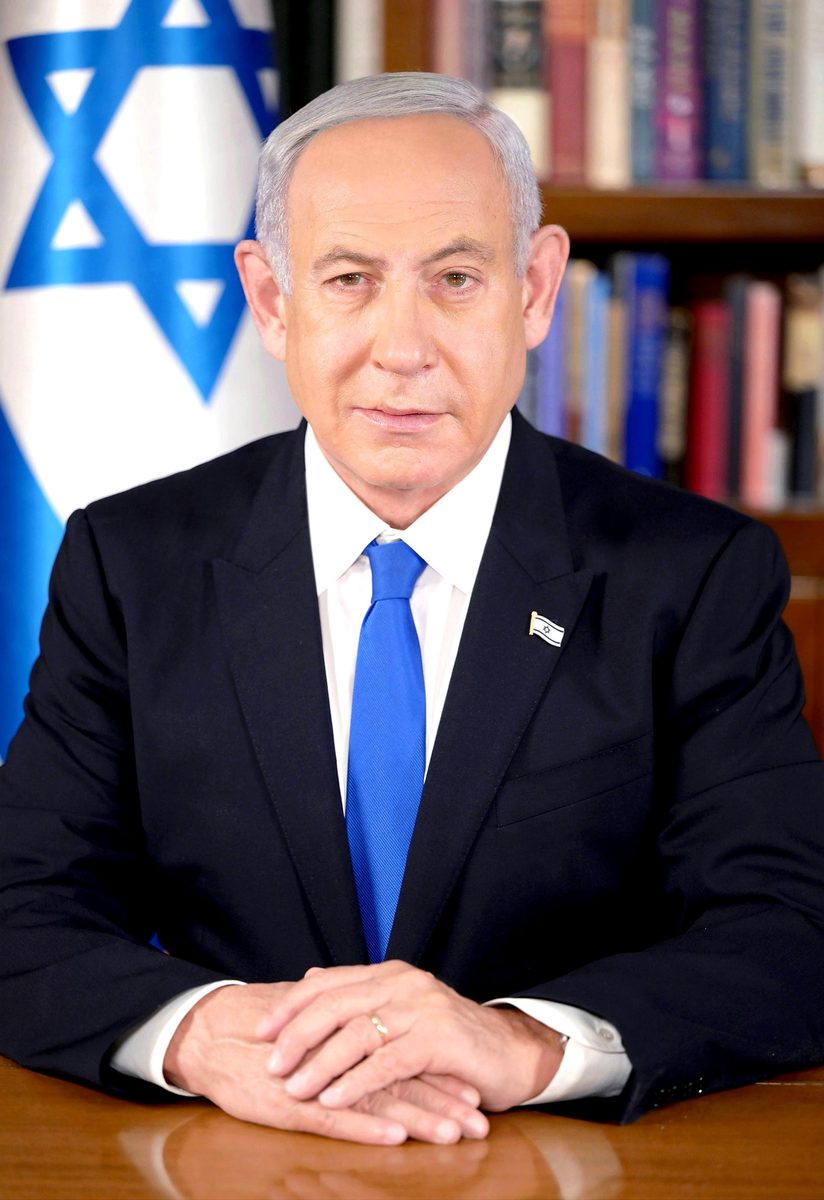
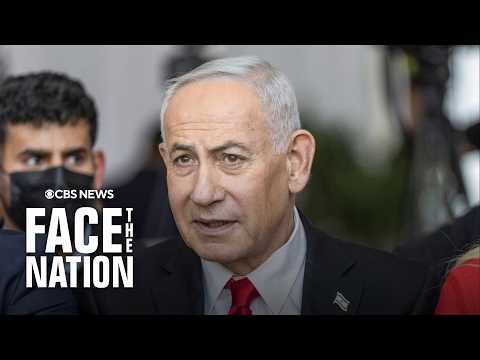
Israeli forces are staying in Gaza. On August 9, Prime Minister Benjamin Netanyahu rejected the 15-point US-backed plan that would have traded a phased Israeli withdrawal for Hamas laying down its weapons. Hamas had accepted it. Netanyahu did not.

The dispute is about sequence. The plan let withdrawal and disarmament happen in parallel steps. Netanyahu wants Hamas 'genuinely disarmed' first, then a pullout. That gap keeps the war frozen and puts the US framework, the one both Washington and Hamas signed onto, on hold.

Why it matters

The only framework both Washington and Hamas accepted is now blocked by Israel, freezing Gaza between a fragile truce and renewed fighting.

Questions about this story

Free account needed to ask — your question is kept and asked for you right after sign-up. Answers are public.

No questions yet — be the first to ask.

Key Indicators

15
Points in the rejected plan
The phased disarmament-and-withdrawal roadmap Netanyahu turned down.
~10 months
Ceasefire in place
The first-phase truce has held since it took effect on October 10, 2025.
61
Knesset seats for a majority
Netanyahu's coalition is polling below this line ahead of an autumn election.
20
Points in the original 2025 plan
Trump's broader framework that produced the October 2025 ceasefire.

Voices

Curated perspectives — historical figures and your fellow readers.

Ever wondered what historical figures would say about today's headlines?

Sign up to generate historical perspectives on this story.

People Involved

Organizations Involved

Timeline

September 2025 August 2026

6 events Latest: August 9th, 2026 · 1 month ago
Tap a bar to jump to that date
  1. Netanyahu rejects the plan

    Latest Statement

    Netanyahu says Israel rejects the 15-point document and will not withdraw until Hamas is fully disarmed. Hamas, which had accepted the roadmap, reaffirms its commitment.

  2. Board of Peace issues 15-point roadmap

    Diplomacy

    The plan ties verified Hamas disarmament to a phased Israeli withdrawal, with governance handed to an independent Palestinian committee.

  3. Trump announces the Board of Peace

    Governance

    Trump names himself chair of a transitional body to oversee phase two, with Kushner, Blair, Rubio and others as members.

  4. Ceasefire takes effect

    Ceasefire

    The truce begins. Hostage releases start, Palestinian prisoners are freed, and aid enters the territory.

  5. First-phase agreement reached

    Ceasefire

    Israel and Hamas agree to halt fighting, exchange hostages for prisoners, and surge humanitarian aid into Gaza.

  6. Trump unveils 20-point Gaza plan

    Diplomacy

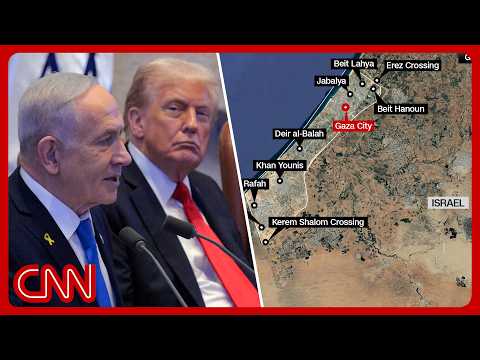
    Standing with Netanyahu at the White House, Trump presents a framework to end the war and set up postwar governance.

Scenarios

1

Revised deal breaks the deadlock, phase two begins

Possible Resolves by Oct 31, 2026

Discussed by: The Hill and Al Jazeera coverage of Board of Peace negotiations

US envoys keep reworking the sequence until Netanyahu can sell it to his coalition. A compromise front-loads disarmament verification while committing Israel to a dated withdrawal. Both sides sign, and the first steps of phase two, weapons handovers and a partial pullback, get underway.

2

Netanyahu holds firm through the election

Likely Resolves by Oct 31, 2026

Discussed by: CNN and Latin Times analysis of Israel's election timing

With his bloc trailing and far-right partners opposed to any pullout, Netanyahu keeps troops in Gaza and refuses the plan. The framework stays frozen. Fighting stays limited but the second phase never launches before Israelis vote in late October.

3

Trump pressures Israel in public over the refusal

Possible Resolves by Oct 31, 2026

Discussed by: Washington Post reporting on strain in the US-Israel relationship

Frustrated that Hamas accepted a plan Israel blocked, Trump goes public. He criticizes Netanyahu by name, threatens to slow arms or funding, or sets a deadline. The alliance strain becomes an open dispute rather than private friction.

4

Ceasefire collapses, major operations resume

Unlikely Resolves by Oct 31, 2026

Discussed by: Al Jazeera 'what now' analysis of the stalled framework

The standoff erodes the truce. A trigger, a deadly incident or a walkout by Hamas, ends the pause that has held since October 2025. Israel launches a renewed large-scale ground or air campaign in Gaza.

Historical Context

3 moments from history that rhyme with this story — and how they unfolded.

October 1998

Wye River Memorandum (1998)

Under pressure from President Bill Clinton, Netanyahu signed a deal to hand over 13% of the West Bank to Palestinian control in phases. His far-right coalition partners revolted, calling it a surrender of land.

Then

Implementation stalled almost immediately. The coalition fractured over the concessions.

Now

The Knesset voted to dissolve, and Netanyahu lost the 1999 election to Ehud Barak.

Why this matters now

Netanyahu has been here before: a US-brokered phased withdrawal that his nationalist base treats as a red line, with an election looming.

July 2000

Camp David summit (2000)

Clinton hosted Barak and Yasser Arafat to settle the conflict. Talks collapsed over the sequence and terms of a deal, including Jerusalem and borders.

Then

No agreement. The second intifada erupted weeks later.

Now

The failure hardened both sides and shaped a generation of distrust over peace frameworks.

Why this matters now

It shows how disputes over sequence, not just substance, can sink a deal both sides claim to want, exactly the fault line dividing Israel and the US plan now.

August 2005

Gaza disengagement (2005)

Prime Minister Ariel Sharon pulled all Israeli troops out of Gaza and evacuated roughly 8,000 settlers from 21 settlements. Soldiers dragged some residents from their homes.

Then

Sharon's Likud split; he left to form the centrist Kadima party.

Now

Hamas won Gaza elections in 2006 and seized full control in 2007, setting up years of conflict.

Why this matters now

This is the withdrawal Israel's far right wants reversed. Ben Gvir and Smotrich are campaigning to rebuild Gaza settlements, making any new pullout politically toxic.

Sources

(7)