
Pull to refresh
Logo
Golden Gate Ferry activates shore power berths in San Francisco and Larkspur

Golden Gate Ferry activates shore power berths in San Francisco and Larkspur

Built World

Docked ferries now shut off diesel generators, cutting 420 tons of CO2 a year

Overview

Updated Oct 25

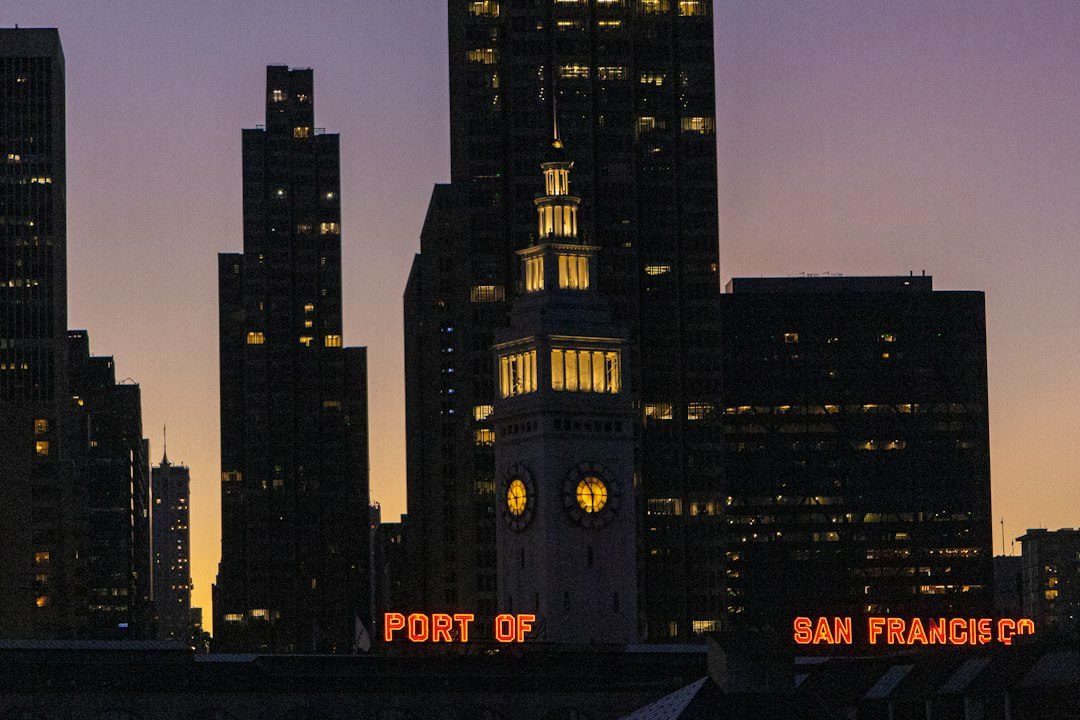
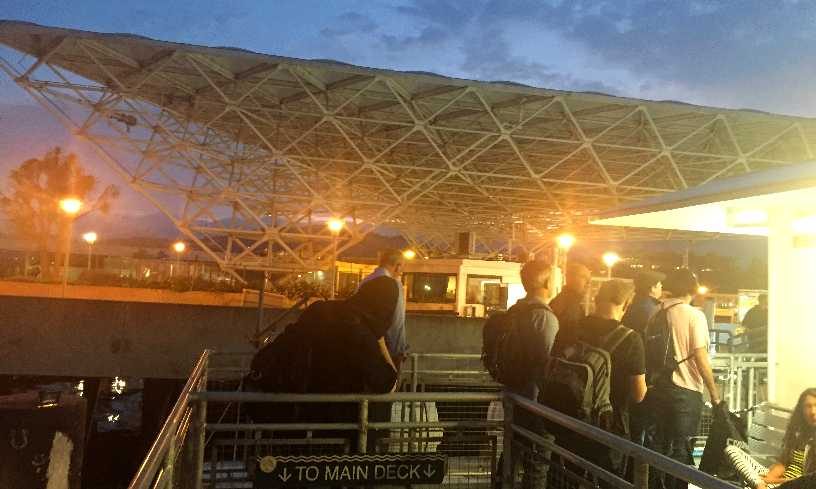
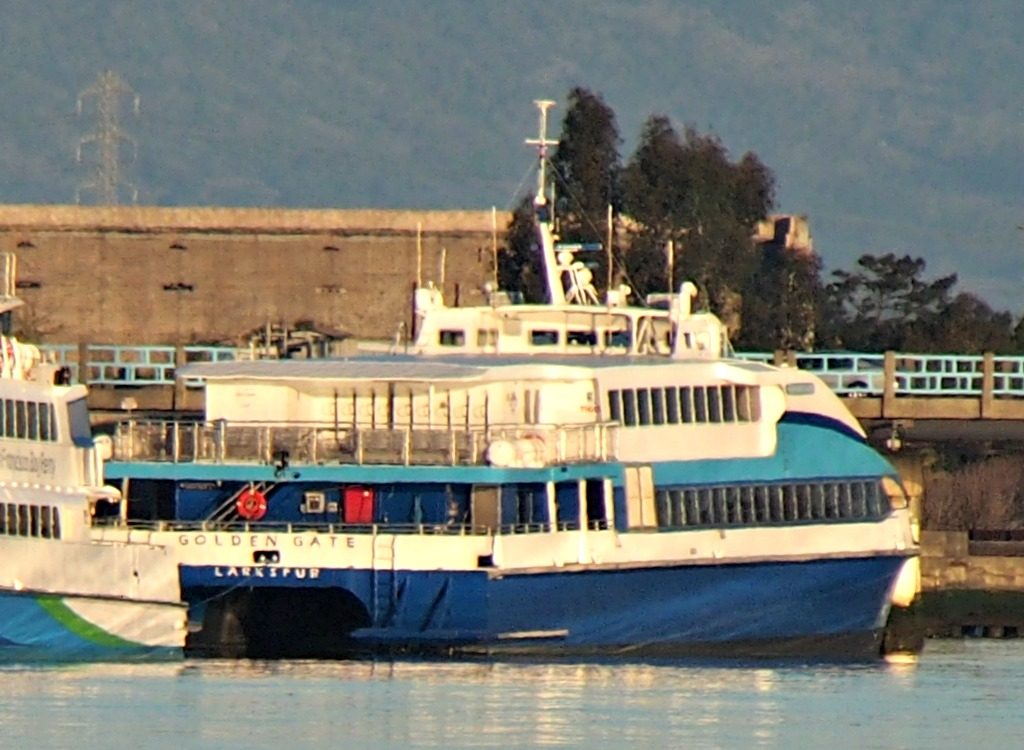
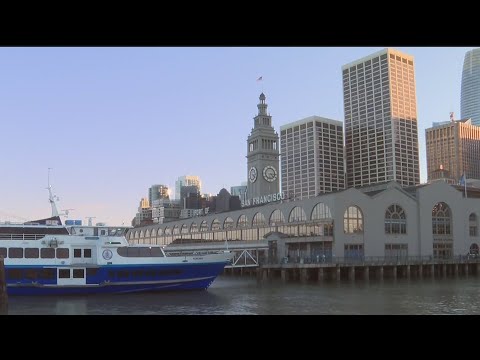
Docked Golden Gate ferries no longer run diesel generators between crossings. Automated shore power berths went live October 24 at the San Francisco Ferry Building and Larkspur, letting deckhands plug a boat into the grid in under 45 seconds.

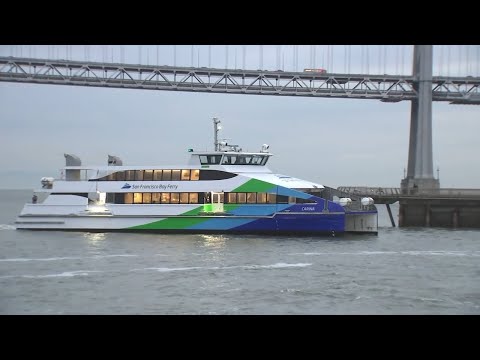
The switch removes 6,800 hours of dockside idling a year, along with 41,000 gallons of fuel and 420 metric tons of carbon dioxide. Neighboring waterfront projects are moving on the same idea: SF Bay Ferry moored a 110-foot battery-charging float at Alameda Main Street, and the Port of San Francisco energized a shore-power berth for tugboats at Pier 70.

Why it matters

Dockside diesel generators that ran for hours daily now shut off, clearing waterfront air and paving the way for electric ferries.

Questions about this story

Free account needed to ask — your question is kept and asked for you right after sign-up. Answers are public.

No questions yet — be the first to ask.

Key Indicators

420
Annual CO2 emissions eliminated
Dockside diesel idling dropped by 6,800 hours a year across the two terminals.
41,000 gallons
Diesel fuel saved per year
Fuel that auxiliary generators no longer burn while ferries sit at dock.
$4.6 million
Project cost
Funded by a Federal Transit Administration passenger ferry grant and California Air Resources Board Carl Moyer funds.
1.6 million
Annual transbay passengers served
Riders carried across the seven-vessel Golden Gate Ferry fleet.
45 seconds
Time to connect a ferry to shore power
Articulated cable arms let deckhands plug in a watertight 480-volt connector.

Voices

Curated perspectives — historical figures and your fellow readers.

Sign up to generate historical perspectives on this story.

Organizations Involved

Golden Gate Bridge, Highway and Transportation District
Regional transportation agency
Operates the seven-vessel ferry fleet and commissioned the new shore power berths

The agency that runs the bridge, buses, and ferries across the Golden Gate, including ferry service on Larkspur, Sausalito, Tiburon, and Angel Island routes.

Port of San Francisco
Municipal port authority
Provided electricians for the shore power commissioning; leading a separate electric ferry program

Owns the Ferry Building and the municipal waterfront, and is separately building shore charging for SF Bay Ferry's coming electric vessels.

California Air Resources Board (CARB)
State air quality regulator
Its harbor craft rule drove the project; its Carl Moyer program helped fund it

California's air pollution control agency, whose Commercial Harbor Craft regulation requires cleaner engines and shore power at berth.

San Francisco Public Utilities Commission
Municipal agency
Supplies the renewable electricity the ferries now draw at dock

San Francisco's public utility, which delivers the 100 percent renewable municipal grid power used by the new shore power berths.

SF
San Francisco Bay Area Water Emergency Transportation Authority (SF Bay Ferry)
Regional transit agency
Building charging floats and terminal wiring for a planned battery-electric ferry fleet under its REEF program

Runs SF Bay Ferry service and is installing the charging floats and terminal wiring for its planned battery-electric vessels.

Timeline

3 events Latest: October 24th, 2026 · 3 weeks ago
  1. Golden Gate Ferry activates shore power at two Bay Area terminals

    Latest Infrastructure

    Automated high-voltage shore power berths commissioned at the San Francisco Ferry Building and Larkspur, letting seven ferries shut off diesel generators at dock.

  2. Port of San Francisco energizes tugboat shore-power berth at Pier 70

    Infrastructure

    A 3-megavolt-ampere, 6.6-kilovolt berth at Wharf 8 lets hybrid and battery-electric tugboats shut off auxiliary diesels and recharge a 1.8-megawatt-hour battery in under 75 minutes.

  3. SF Bay Ferry moors battery-charging float at Alameda Main Street

    Infrastructure

    WETA energized a 110-foot float holding 3.2 megawatt-hours of lithium-iron-phosphate batteries that can send up to 3 megawatts of fast charging to docked electric ferries. It trickle-charges around the clock from Alameda Municipal Power's grid.

Scenarios

1

Golden Gate Ferry expands shore power to Sausalito and Tiburon

Possible Resolves by End of 2028

Discussed by: Extrapolation from the District's other ferry routes; no public commitment yet

If the Larkspur and San Francisco berths perform as billed, the District still has three terminals (Sausalito, Tiburon, Angel Island) where ferries burn diesel at dock. A clean first year of operations could push the board to fund similar systems there.

2

First-year report confirms dockside emissions drop at both terminals

Likely Resolves by End of 2027

Discussed by: The District's compliance reporting under the California Air Resources Board harbor craft rule

The activation eliminates 6,800 idling hours a year on paper, but the measured result depends on actual docked hours and connection success rates. A published first-year accounting would confirm or undercut the 420-ton CO2 figure.

3

SF Bay Ferry's first large zero-emission vessel enters revenue service

Possible Resolves by Q2 2028

Discussed by: Port of San Francisco's Clean Ports grant application and San Francisco Bay Ferry plans

The Port's parallel program aims for zero-emission electric ferries on the Bay, with shore charging at the Downtown Ferry Terminal and Mission Bay and a first large electric vessel slated to begin operation in early 2028. Its success would link Golden Gate's shore power to a fully electric regional fleet.

4

SF Bay Ferry's first battery-electric vessel carries paying passengers

Likely Resolves by Q2 2028

Discussed by: WETA board records and the agency's REEF electrification program

WETA's board expects the first electric ferry in mid-2027, after the Alameda maintenance base is wired for overnight charging. The Main Street float is built to deliver a full crossing's charge during a seven-minute turnaround, so the timeline rests on the vessels arriving and the chargers passing acceptance.

Historical Context

2 moments from history that rhyme with this story — and how they unfolded.

2015

Norway's Ampere electric ferry (2015)

Norway launched Ampere, the world's first all-electric car ferry, on a short fjord crossing. It charges at the dock in under 10 minutes between runs and cut fuel use by roughly 80 percent.

Then

Ampere proved electric ferries could hold a scheduled timetable on a real route.

Now

Norway now operates the world's largest fleet of electric ferries, with zero-emission requirements for its fjord routes.

Why this matters now

The Bay Area's shore power and electric ferry plans follow the same playbook: fast charging at the dock, diesel off during layovers.

Late 2000s

California's at-berth shore power rule (late 2000s)

California required container, refrigerated cargo, and cruise ships to shut auxiliary engines and plug into shore power at the state's largest ports, the first rule of its kind in the world.

Then

Major ports built plug-in berths and dockside emissions at compliant terminals dropped sharply.

Now

The approach spread to other states and countries, establishing plug-in as the standard for cutting port emissions.

Why this matters now

That port rule was the template for the Commercial Harbor Craft regulation this ferry project now meets ahead of schedule, extending the same logic to smaller vessels.

Sources

(10)