

Pull to refresh
Logo
Ferring to acquire IVF startup Gameto for up to $1.4 billion

Ferring to acquire IVF startup Gameto for up to $1.4 billion

Money Moves

The Swiss drugmaker gains Fertilo, a stem-cell technology that could shorten IVF hormone stimulation from two weeks to days

Overview

Updated Oct 30

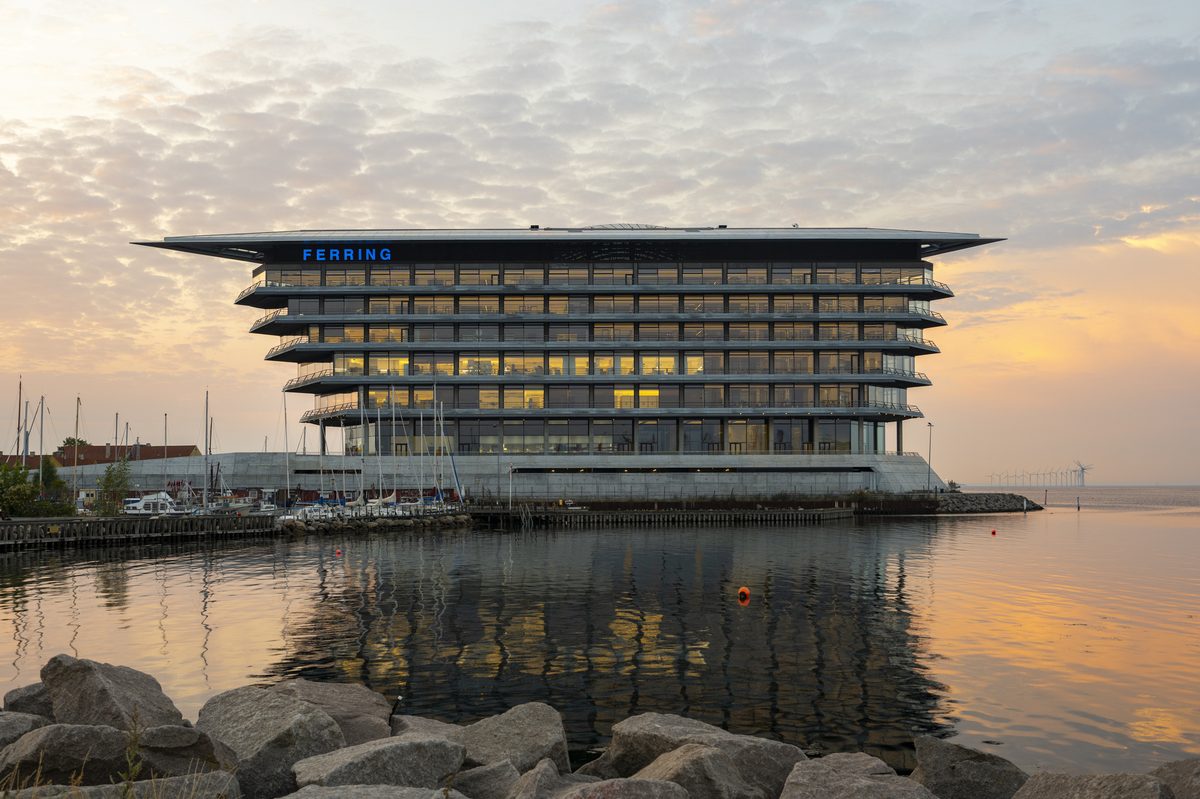
In standard in vitro fertilization, patients inject hormones daily for about two weeks to push the ovaries into producing multiple mature eggs. Gameto's Fertilo matures eggs outside the body using stem cell-derived ovarian support cells, cutting the injection schedule to two or three days. Ferring Pharmaceuticals signed a deal on October 27 to buy Gameto for up to $1.38 billion.

Ferring sells the hormone-stimulation drugs Fertilo could make less necessary, including Menopur. Fertilo is cleared in Australia and parts of Latin America, and five babies had been born using it as of August 2026. Its US Phase 3 trial has enrolled more than 320 of a planned 500 patients, and Ferring has not disclosed the upfront payment, the milestone split or a closing date.

Why it matters

If Fertilo wins US approval, IVF patients could trade two weeks of daily hormone injections for a three-day cycle, changing the standard of care.

Questions about this story

Free account needed to ask — your question is kept and asked for you right after sign-up. Answers are public.

No questions yet — be the first to ask.

Key Indicators

$1.38B
Deal value (up to, including milestones)
Total consideration including development, regulatory, and commercial milestones.
$127M
Total funding raised by Gameto since 2020
Across multiple funding rounds before the Ferring deal.
~80%
Reduction in hormone injections with Fertilo
Fertilo matures eggs outside the body, cutting a two-week injection schedule to two or three days and one or two injections.
5
Babies born via Fertilo as of August 2026
Reported by Gameto backer Martin Varsavsky in August 2026, alongside more than 20 pregnancies from Fertilo use in Mexico and Peru.
320+
Patients enrolled in the US Phase 3 trial
Of a planned 500, according to Gameto chief executive Dina Turner. The trial measures ongoing pregnancies at 12 weeks.

Voices

Curated perspectives — historical figures and your fellow readers.

Sign up to generate historical perspectives on this story.

People Involved

Organizations Involved

Timeline

2020 October 2026

6 events Latest: October 28th, 2026 · 2 weeks ago
Tap a bar to jump to that date
  1. Ferring CEO says he expects FDA approval for Fertilo

    Latest Statement

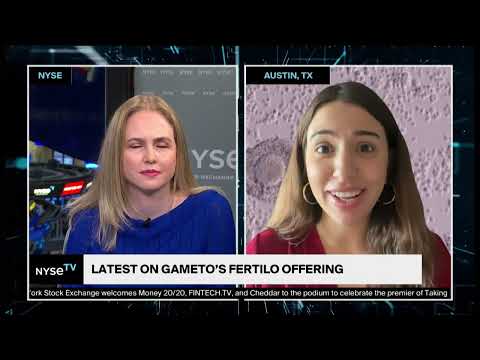
    Jean-Frédéric Paulsen told Bloomberg he is confident US regulators will clear Fertilo, and that this confidence is why Ferring signed the deal. Dina Turner said the Phase 3 trial has enrolled more than 320 patients and that Fertilo needs one or two injections.

  2. Ferring signs $1.38B deal to buy Gameto

    Acquisition

    Swiss drugmaker Ferring agrees to acquire Gameto for up to $1.38 billion, gaining its Fertilo IVF technology.

  3. Fertilo study data shows five births

    Clinical data

    Mexico and Peru study reports five babies and more than 20 pregnancies using Fertilo.

  4. Gameto raises $44 million

    Funding

    New funding to advance the stem cell-based IVF treatment toward US Phase 3 trials.

  5. First baby born via Fertilo

    Clinical milestone

    First baby conceived through Fertilo's maturation method is born in Lima, Peru.

  6. Gameto founded in Austin

    Company founding

    Dina Turner and Christian Kramme launch the biotech with backing from Martin Varsavsky.

Scenarios

1

Ferring closes Gameto deal, Fertilo heads to FDA

Likely Resolves by End of 2027

Discussed by: BioPharma Dive, Bloomberg

Ferring completes the acquisition under customary closing conditions within the next year. Gameto finishes its US Phase 3 trial, with Varsavsky saying about 180 patients remain. If the data holds, Ferring files for FDA approval and Fertilo could enter the US market, the world's largest IVF market.

2

Fertilo wins FDA approval and launches in the US

Possible Resolves by End of 2028

Discussed by: Jean-Frédéric Paulsen (Ferring CEO), Gameto leadership

Beyond the deal closing, the long-term question is whether US regulators clear Fertilo. The Phase 3 trial needs roughly 180 more patients, followed by a data review. If approved, Fertilo would compete directly with the hormone-stimulation drugs Ferring currently sells—a portfolio the company is betting the new technology will partly replace.

3

Ferring-Gameto deal terminated before closing

Unlikely Resolves by Q2 2027

Discussed by: Standard M&A closing risk noted in the deal's own terms

The agreement is subject to customary closing conditions, which can include regulatory review and shareholder approvals. If those conditions fail—or if either party walks away—the deal unwinds. A separate risk: if Phase 3 data disappoints, milestone payments shrink and the deal's value falls well below the announced cap.

4

Ferring splits Gameto's menopause work into a new company

Possible Resolves by End of 2027

Discussed by: Dina Turner and Ferring, in a Bloomberg interview

Gameto also develops cell-based treatments aimed at ovarian disease and menopause. Turner said those programs would sit inside Ferring's investment arm after the acquisition and could become a separate company.

Historical Context

2 moments from history that rhyme with this story — and how they unfolded.

March 2009

Roche acquires Genentech (2009)

Roche bought the 44 percent of Genentech it did not already own for about $46.8 billion, ending months of negotiation. Genentech had pioneered monoclonal antibody drugs, including the cancer treatments Avastin and Herceptin, and its scientists drove much of Roche's oncology pipeline.

Then

Genentech became a fully owned Roche subsidiary, with its R&D operation staying in South San Francisco.

Now

The deal locked in Roche's lead in biologic medicines and became the model for big pharma buying biotech innovation instead of building it internally.

Why this matters now

Like Ferring with Gameto, Roche paid for outside science it could not quickly replicate in-house.

April 2012

Facebook acquires Instagram (2012)

Facebook agreed to buy Instagram for about $1 billion in cash and stock, weeks before Instagram passed 30 million iOS users. The photo app was pulling younger users away from Facebook's core product, and Facebook chose to absorb the threat.

Then

Instagram kept running as a separate app and grew into one of the world's largest social platforms.

Now

It became the standard example of an incumbent buying a disruptive competitor to protect its core business.

Why this matters now

Ferring is making the same bet: it sells the hormone injections that Fertilo could make less necessary, so it is buying the technology rather than defending its existing product.

Sources

(9)