

Pull to refresh
Logo
FDA clears first wearable that monitors both glucose and ketones

FDA clears first wearable that monitors both glucose and ketones

New Capabilities

Abbott's Libre Duo 10 Day tracks both in one sensor and alerts users before diabetic ketoacidosis becomes an emergency

August 25th, 2026: FDA authorizes Libre Duo 10 Day via De Novo pathway

Overview

Updated Aug 26

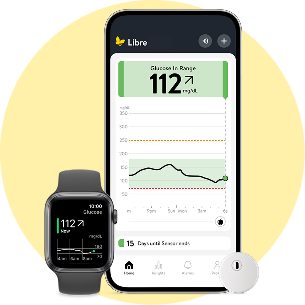
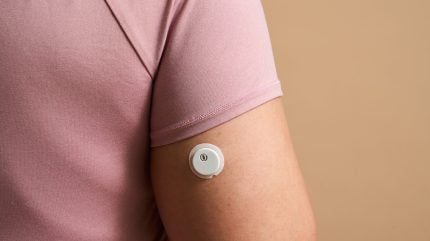
The FDA on August 25 authorized Abbott's Libre Duo 10 Day, the first wearable that continuously tracks both blood sugar and ketone levels in a single sensor. The device samples the fluid just beneath the skin every minute for up to 10 days, for people as young as 2.

Until now, ketone checks were one-off fingerstick or urine tests that showed a single value with no trend. Diabetic ketoacidosis can turn life-threatening within hours, and US hospital admissions for it have risen 55% over the past decade.

Why it matters

For 2.1 million Americans with type 1 diabetes, this is the first early-warning system for rising ketones, which can turn fatal within hours.

Questions about this story

Free account needed to ask — your question is kept and asked for you right after sign-up. Answers are public.

No questions yet — be the first to ask.

Key Indicators

40.1M
Americans living with diabetes
CDC estimate for the US population with diabetes.
2.1M
Americans with type 1 diabetes
Type 1 patients face the highest DKA risk because they produce no insulin.
55%
Increase in DKA hospital admissions over past decade
Hospitalizations have climbed despite better glucose monitoring.
600+
Participants in six clinical studies
The FDA reviewed accuracy data from people aged 2 and older.
10
Days of continuous wear per sensor
Readings transmit wirelessly every minute, day and night.

Voices

Curated perspectives — historical figures and your fellow readers.

Ever wondered what historical figures would say about today's headlines?

Sign up to generate historical perspectives on this story.

People Involved

Organizations Involved

Timeline

May 2026 August 2026

2 events Latest: August 25th, 2026 · 3 weeks ago
  1. FDA authorizes Libre Duo 10 Day via De Novo pathway

    Latest Regulatory

    First US device to continuously monitor both glucose and ketones, cleared for ages 2 and older after Breakthrough Device designation.

  2. Abbott wins European CE Mark for Libre Duo

    Regulatory

    European clearance covered the 15-day Libre Duo for adults and the 10-day version for ages 2 and older, but not the US versions.

Scenarios

1

Libre Duo 10 Day ships in the US this year

Likely Resolves by End of 2026

Discussed by: Abbott company statements, MedTech Dive

Abbott said it plans to launch in the US later in 2026. The company already manufactures FreeStyle Libre sensors at scale and has the distribution network in place. The open questions are launch timing, list price, and how quickly pharmacies stock it.

2

Insurance coverage becomes the adoption gate

Possible Resolves by Q3 2027

Discussed by: MedTech Dive interviews with industry experts

Abbott has not published pricing, and coverage is unresolved. Medicare and commercial insurers could treat the ketone function as experimental or limit it to high-risk groups, restricting access to out-of-pocket buyers. Broad coverage would likely accelerate adoption quickly.

3

Closed-loop integrations arrive on schedule

Likely Resolves by End of 2026

Discussed by: Abbott company projections

Abbott expects Libre Duo 10 Day to integrate with Beta Bionics' iLet and Sequel Med Tech's twiist automated insulin delivery systems by end of 2026, with Insulet and Tandem in 2027 and a MiniMed-exclusive version in 2027. If these clear, the sensor becomes part of closed-loop insulin management rather than a standalone monitor.

Historical Context

3 moments from history that rhyme with this story — and how they unfolded.

2005-2007

First continuous glucose monitors approved (2005-2007)

Medtronic's Guardian RT (2005) and DexCom's STS (2006) were the first wearable glucose sensors to stream readings continuously instead of at discrete moments. Early CGMs were expensive, imprecise, and rarely covered.

Then

Adoption was slow for more than a decade as accuracy and coverage improved.

Now

CGM trend data eventually enabled automated insulin delivery systems, approved starting in the late 2010s.

Why this matters now

Libre Duo extends the same continuous-data logic to ketones, and it rides the coverage and AID infrastructure CGMs built—so adoption could be faster this time.

1970s

Home blood glucose meters replace urine testing (late 1970s)

Before portable meters, patients tested urine at home, which lagged blood glucose by hours and missed rapid swings. Devices like the Ames Glucometer (1978) gave immediate blood readings for the first time.

Then

Point-of-care glucose testing transformed daily diabetes management within a decade.

Now

The test-strip and meter infrastructure CGMs later replaced was built in this era.

Why this matters now

Libre Duo does for ketones what home meters did for glucose: replaces lagging, one-off tests with immediate continuous data.

Early 2000s

Fingerstick blood ketone meters (early 2000s)

Before Libre Duo, home ketone testing meant urine strips (available since the 1960s) or fingerstick blood meters like Abbott's Precision Xtra. Blood meters were more accurate, but both gave a single snapshot with no trend.

Then

DKA is often detected only after symptoms appear, because patients have no reason to test until they feel unwell.

Now

Point-in-time tests cannot distinguish rising from falling ketones, limiting their warning value.

Why this matters now

Libre Duo's trend data and alerts target the core limitation of existing ketone tests, which is why the FDA created a new device category for it.

Sources

(10)