
1930s Dust Bowl Highway Deaths
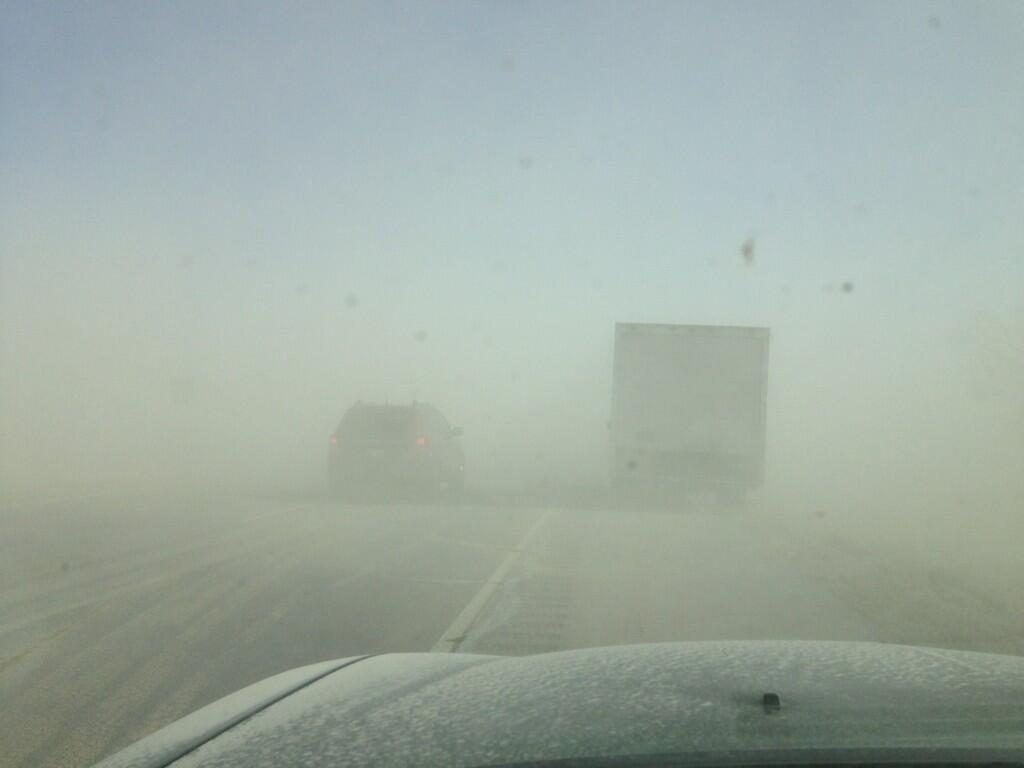
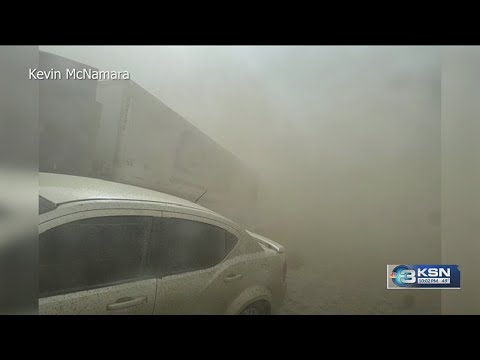
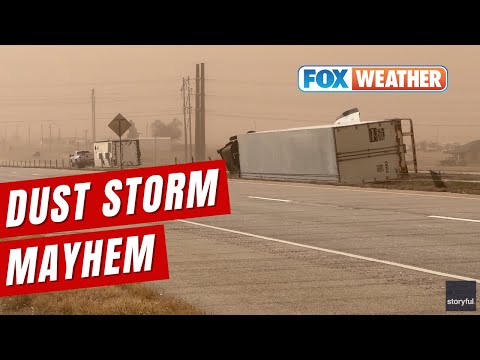
During the Dust Bowl, massive dust storms across the Great Plains caused numerous vehicle crashes and deaths as drivers were blinded by airborne topsoil. Poor land management and severe drought created conditions that mobilized millions of tons of soil.
Thousands of traffic crashes and deaths were attributed to dust storm visibility loss during the Dust Bowl years.
The catastrophe led to the creation of the Soil Conservation Service (now NRCS) and widespread adoption of conservation practices including windbreaks, cover crops, and contour plowing.
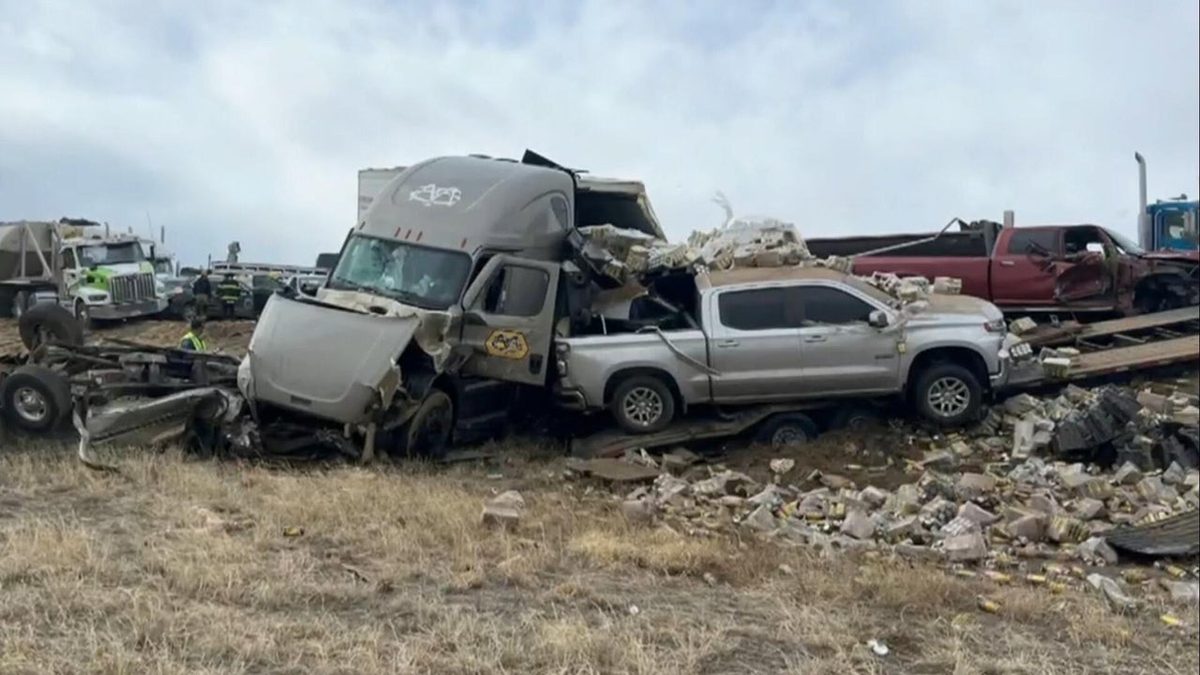
The 1930s showed that poor land management and severe drought can mobilize enough soil to shut down transportation corridors entirely. The I-25 corridor passes through similarly exposed agricultural land, and the February 2026 crash demonstrated that modern highways face the same basic vulnerability: when soil is loose and wind is strong, visibility drops faster than traffic can stop.