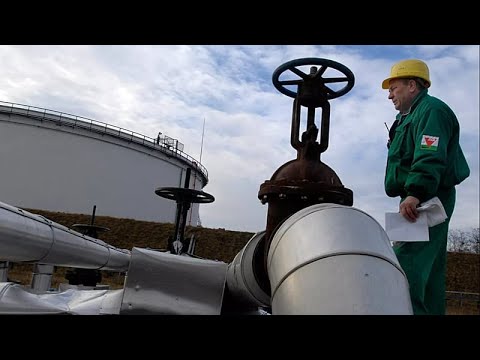
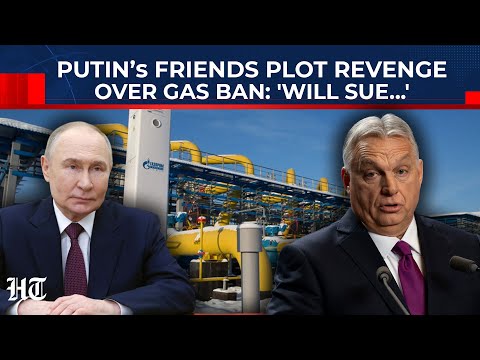
For decades, Russian oil flowed west through the Druzhba pipeline and European electricity flowed east into Ukraine's war-battered grid. That exchange collapsed after a Russian drone strike knocked out the pipeline's main Ukrainian pumping station on January 27. Slovakia and Hungary, the last European Union members importing Russian crude through the pipeline, then escalated from halting diesel exports to threatening Ukraine's electricity supply.
Slovak Prime Minister Robert Fico issued an ultimatum on February 21: restore oil transit by Monday or Slovakia cuts emergency electricity to Ukraine. Hungary's Viktor Orban followed with a matching threat.
Together, the two countries supply roughly half of Ukraine's electricity imports. Russian attacks have left the country with a peak power deficit of 6.3 gigawatts—enough to black out over 11 million households. The European Commission has called an emergency meeting for February 25, before Slovakia's Monday deadline.