


Pull to refresh
Logo
EU funds Latvian low-carbon cement factory

EU funds Latvian low-carbon cement factory

New Capabilities

Swedish startup Cemvision wins €27.5 million Innovation Fund grant for its first commercial-scale plant

Overview

Updated Oct 26

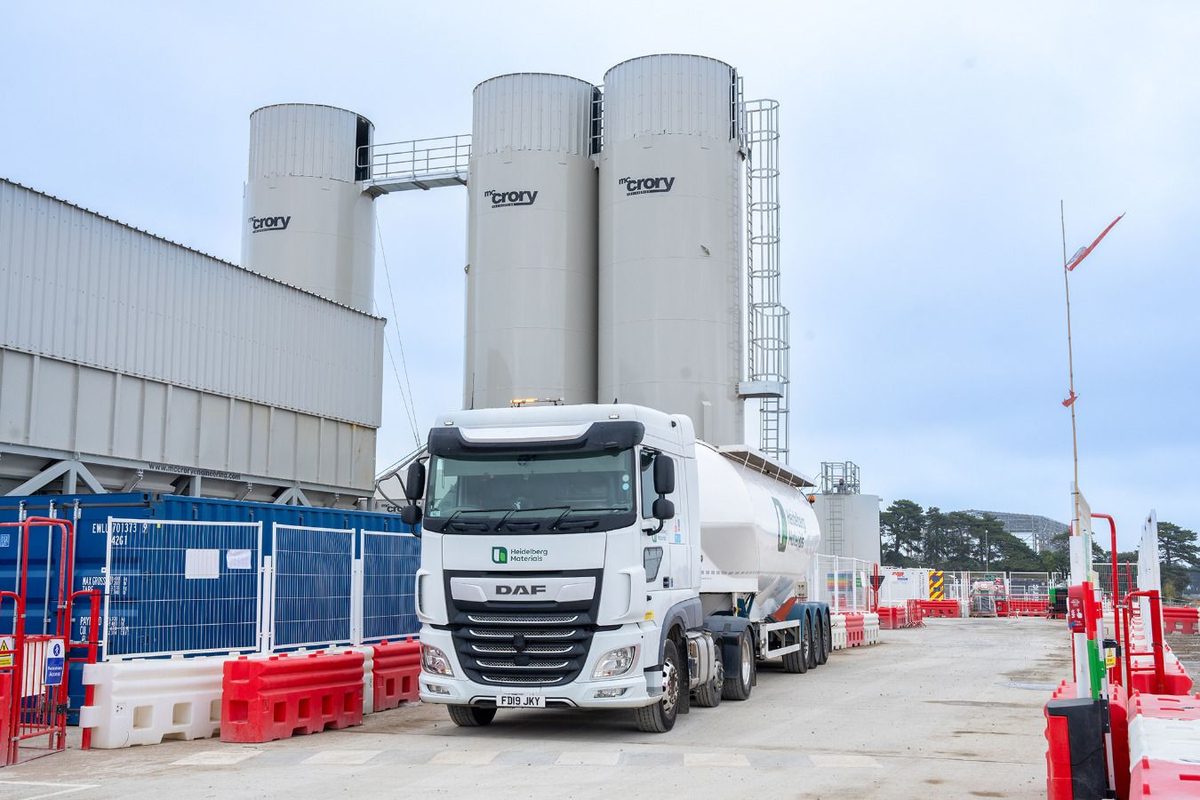
The European Commission has selected Swedish cleantech company Cemvision for a grant of up to €27.5 million to build its first commercial-scale cement plant, in the Latvian port of Ventspils. It would make up to 500,000 tonnes a year of supersulfated cement. The process grinds and blends steel-industry slag with electricity instead of burning limestone.

The Commission's project description puts the emissions cut at 93.2% against conventional cement. Cemvision says the plant would avoid 3.1 million tonnes of CO₂ in its first decade, and the European Investment Bank signed €40 million toward the €81 million project in July 2026. Cemvision expects to sign the grant agreement with CINEA, the EU climate agency, between November 2026 and March 2027, with commissioning targeted for 2028.

Why it matters

If this plant works at scale, it could give the cement industry — 8% of global emissions — a commercially viable path to near-zero-carbon production.

Questions about this story

Free account needed to ask — your question is kept and asked for you right after sign-up. Answers are public.

No questions yet — be the first to ask.

Key Indicators

€27.5M
EU Innovation Fund grant
Maximum grant awarded to Cemvision for its first commercial-scale plant
500,000 tonnes/year
Planned annual cement production
Near zero-carbon cement capacity at the Ventspils plant
3.1M tonnes
Estimated CO₂ avoided over first 10 years
Projected emissions savings from the Ventspils plant, per Cemvision
93.2%
Emissions cut versus conventional cement
Figure in the European Commission's description of the Cemvision project
€40M
European Investment Bank financing
Signed 30 July 2026 toward a project the bank estimates at €81 million in total, including the Latvian plant and pilot facilities in Sweden
77 of 358
Projects selected for Innovation Fund grants
77 projects chosen from 358 applications in this funding round
8%
Cement's share of global CO₂ emissions
Why alternative cement chemistries attract public money

Voices

Curated perspectives — historical figures and your fellow readers.

Sign up to generate historical perspectives on this story.

People Involved

Organizations Involved

Timeline

4 events Latest: October 22nd, 2026 · 3 weeks ago
Tap a bar to jump to that date
  1. Latvian assessment documents name Ventspils site and project company

    Latest Regulatory

    Latvia's Energy and Environment Agency identifies Sarkanmuižas dambis 25 in Ventspils as the plant site, with SIA Project Taal as the project company, CemNet reports. Environmental-assessment documents describe a grinding and blending operation using heat-treated secondary materials rich in calcium oxide.

  2. Global Construction Review reports on the grant

    Media

    Global Construction Review covers the EU Innovation Fund grant for the Ventspils low-carbon cement plant.

  3. European Commission selects Cemvision for Innovation Fund grant

    Funding

    Cemvision is chosen among 77 projects from 358 applications for a grant of up to €27.5 million. The plant site in Ventspils, Latvia is publicly confirmed.

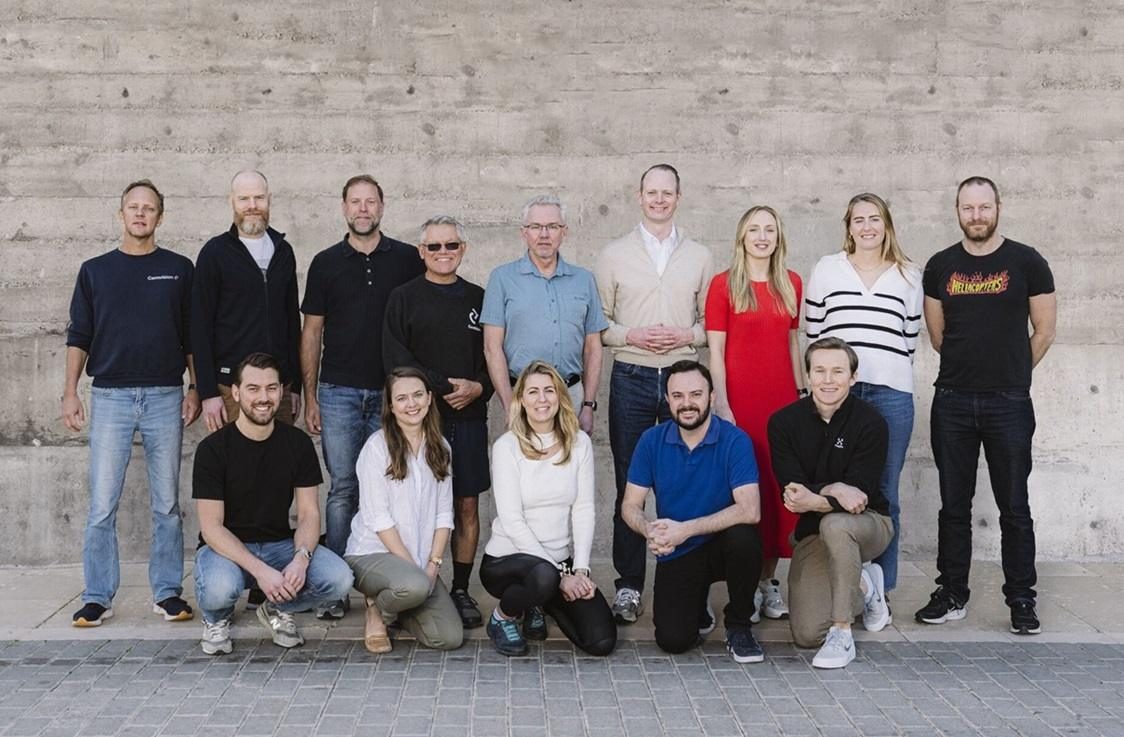
  4. Claes Kollberg becomes Cemvision CEO

    Leadership

    Co-founder takes over from Oscar Hällén to lead the company through construction of its first plant.

Scenarios

1

Cemvision's Ventspils plant opens on schedule in 2028

Likely Resolves by End of 2028

Discussed by: Cemvision executives and EU Innovation Fund documents

The grant agreement is signed with CINEA between November 2026 and March 2027 as expected. Construction proceeds on schedule, and the plant reaches its 500,000-tonne annual capacity by 2028 or 2029. The facility's commercial agreements with Vattenfall and Mannok expand as production ramps up. The company's technology validation at scale would be a significant proof point for low-carbon cement across Europe.

2

Grant agreement is delayed or renegotiated

Possible Resolves by Q2 2027

Discussed by: EU Innovation Fund observers; CINEA negotiation process

Negotiations with CINEA take longer than expected — possibly due to budget, timeline, or emissions-reduction commitments. The grant amount is reduced or timelines are extended. Construction is delayed but not canceled. This is standard for large EU grants; the Innovation Fund's own documents note that agreements typically take 3-6 months to finalize.

3

Cemvision's technology fails to scale commercially

Unlikely Resolves by End of 2029

Discussed by: Industry analysts; cement sector observers

The supersulfated cement proves hard to make at commercial volumes, or too costly or too slow-setting for builders to adopt widely. The plant opens but runs below its 500,000-tonne capacity or runs into technical problems, and the company and its investors reassess the commercial case. The technology would still have been tried at a scale it has not reached before.

Historical Context

3 moments from history that rhyme with this story — and how they unfolded.

2010s

LC3 Cement Development (2010s)

Materials scientists at École Polytechnique Fédérale de Lausanne and IIT Delhi developed LC3 (Limestone Calcined Clay Cement), an alternative cement using clays and limestone that reduces CO₂ emissions by about 40% compared to Portland cement. The technology has been piloted in multiple countries but has struggled to gain commercial traction at scale.

Then

Several pilot plants built in India, Cuba, and parts of Africa. LC3 is now recognized in some building codes and standards.

Now

LC3 demonstrated that alternative cement chemistries can work technically, but adoption remains modest due to industry conservatism and established supply chains.

Why this matters now

Shows that low-carbon cement technologies often succeed technically but face commercial barriers. Cemvision's approach — using existing industrial slags and an electrified process — aims to lower both the technical and economic hurdles.

2023-2024

EU Innovation Fund's Hydrogen Bank (2023)

The EU launched its Hydrogen Bank pilot auction, using Innovation Fund revenues to support green hydrogen production. The first auction allocated €800 million to 7 projects. The second round expanded to €1.2 billion and attracted bids from across Europe. Some projects have faced delays, but the mechanism established how ETS revenue can be channeled into industrial decarbonization.

Then

First projects began construction in 2024-2025; some have missed initial timelines due to cost inflation and permitting delays.

Now

Established the Innovation Fund as a reliable source of industrial decarbonization capital and demonstrated real demand for the program.

Why this matters now

Cemvision's grant follows the same mechanism and joins the Fund's portfolio. The Hydrogen Bank's mixed record on construction timelines suggests potential delays for capital-intensive projects like the Ventspils plant.

2010s-2020s

Steel and Cement Decarbonization Under ETS (2010s-2020s)

The EU Emissions Trading System has been the primary policy lever pushing heavy industry toward decarbonization. Rising carbon prices (from below €10/tonne in 2017 to over €80/tonne in 2023) made low-carbon alternatives increasingly attractive. Many cement and steel producers have announced pilot projects, but few have reached commercial scale.

Then

Several pilot projects launched across Europe, funded partly by the Innovation Fund.

Now

The ETS has proven it can change industrial economics, but technology readiness and capital costs remain the binding constraints.

Why this matters now

Cemvision's grant is one of the largest single investments in an alternative cement production method, and its success or failure will inform how the EU allocates future decarbonization funding.

Sources

(10)