
Pull to refresh
Logo
Teebar battery project moves to construction in Queensland

Teebar battery project moves to construction in Queensland

Built World

Atmos Renewables and Enerven start work on the 400-MW, 1,600-MWh Teebar battery, with Valo supplying 444 containerised units

Overview

Updated Oct 22

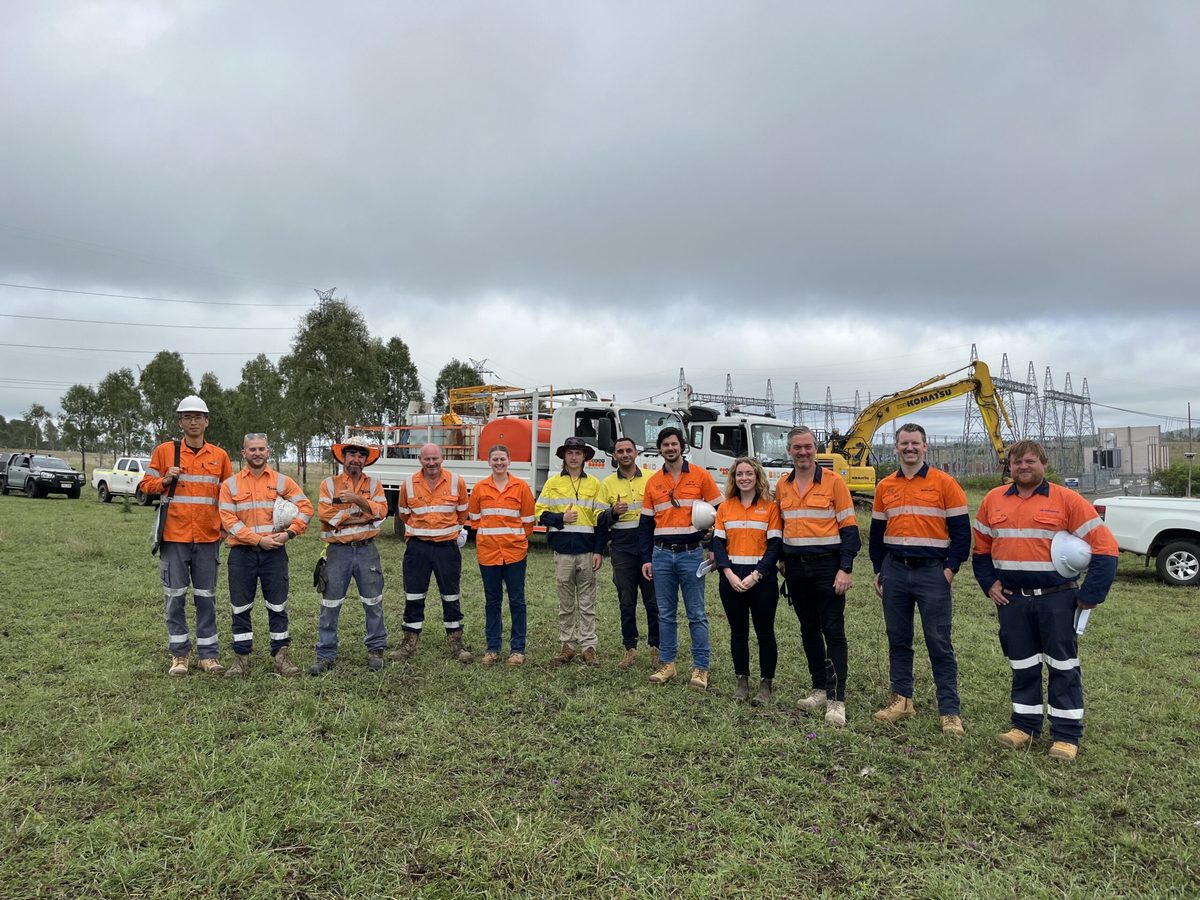
Construction is starting on one of Queensland's largest battery projects. Atmos Renewables reached financial close on the 400-megawatt Teebar battery on October 2 and named Enerven to build it, with a ceremony at the site on October 20 to mark the start of work.

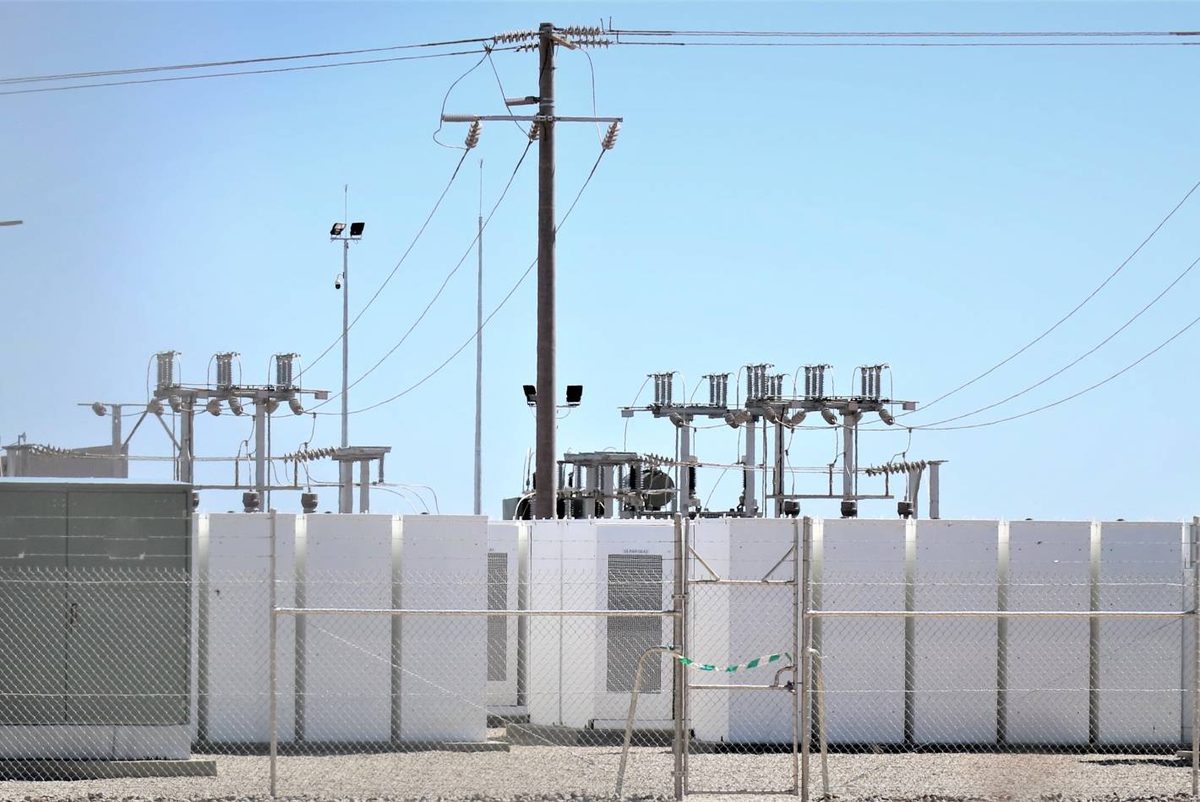
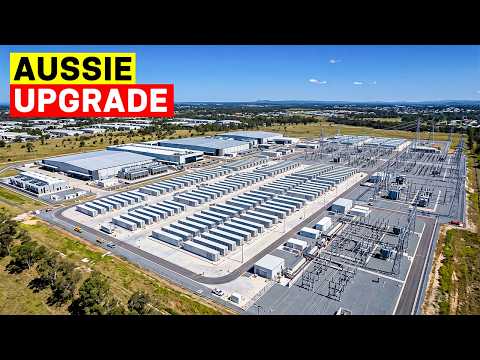
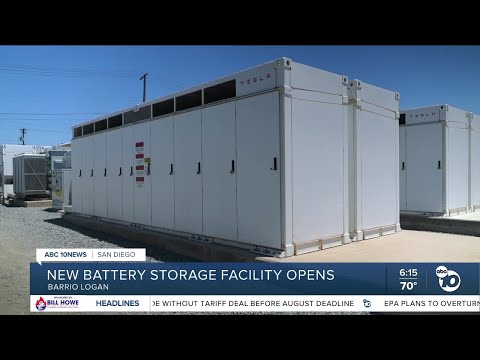
Valo, a joint venture of Wärtsilä and RCT Solutions launched on October 1, will supply 444 containerised batteries of just over 4 megawatts each. The plant is designed to be grid-forming, meaning it can hold voltage and frequency steady itself rather than simply following the grid. It is backed by the federal Capacity Investment Scheme, and commercial operation is targeted for late 2028.

Why it matters

Teebar will charge when power is abundant and discharge into the evening peak, adding four hours of storage as Queensland's coal plants retire.

Questions about this story

Free account needed to ask — your question is kept and asked for you right after sign-up. Answers are public.

No questions yet — be the first to ask.

Key Indicators

400 MW
Battery capacity
Rated power output of the Teebar BESS.
1,600 MWh
Storage capacity
Four hours of energy storage at full output.
100-150
Peak construction jobs
Estimated peak construction employment at the Teebar site.
444
Containerised battery units
Enclosures of just over 4 MW each that Valo will deliver to the site, alongside more than 130 inverters.
$105.4M
Australian and New Zealand procurement commitment
Public commitments tied to the federal Capacity Investment Scheme program.

Voices

Curated perspectives — historical figures and your fellow readers.

Sign up to generate historical perspectives on this story.

Organizations Involved

Timeline

December 2025 2028

6 events Latest: October 20th, 2026 · 3 weeks ago
Tap a bar to jump to that date
  1. Commercial operation target

    Upcoming Milestone

    Teebar BESS targeted to begin commercial operation on the National Electricity Market.

  2. Construction start ceremony

    Latest Construction

    Atmos, Enerven, Valo and Powerlink were scheduled to mark the start of construction at the Teebar site. No report of the ceremony itself has been published.

  3. Enerven appointed as balance of plant contractor

    Contract

    Atmos selects Enerven to build balance-of-plant works for Teebar BESS.

  4. Valo selected as battery supplier

    Contract

    Atmos selects Valo to deliver the 400 MW / 1,600 MWh battery system for Teebar.

  5. Financial close reached

    Financial

    Atmos reaches financial close on Teebar BESS and Parron Maam Marang wind farm.

  6. Atmos signs ECI agreement with Enerven

    Agreement

    Atmos signs Early Contractor Involvement agreement with Enerven for Teebar BESS.

Scenarios

1

Teebar BESS reaches commercial operation on schedule

Likely Resolves by End of 2028

Discussed by: Atmos Renewables and project stakeholders

Construction proceeds through 2027 and 2028 without major delays. The battery facility, substation, and transmission line are completed, and the project begins dispatching power to the National Electricity Market in late 2028 as planned.

2

Construction delays push Teebar past 2028 target

Possible Resolves by Q2 2029

Discussed by: Not widely predicted; a contingency scenario

Supply chain constraints, weather delays, or grid connection issues push commercial operation into 2029 or later. The project remains viable but misses its target date, similar to delays seen in other Australian grid-scale battery projects.

3

Teebar completes with reduced capacity or scope changes

Unlikely Resolves by Q2 2029

Discussed by: Not widely predicted; a contingency scenario

Technical issues or cost pressures lead to a reduction in the battery's rated capacity or a change in project configuration. The project still operates but at a smaller scale than the planned 400 MW / 1,600 MWh.

Historical Context

2 moments from history that rhyme with this story — and how they unfolded.

December 2017

Hornsdale Power Reserve (2017)

South Australia's 100 MW / 129 MWh 'Tesla big battery' began operating in December 2017, built in under 100 days. It was the largest lithium-ion battery in the world at the time and was contracted to provide grid stability services.

Then

The battery quickly proved its value, responding to grid frequency events in milliseconds and reducing grid stabilization costs.

Now

It demonstrated that grid-scale batteries could reliably provide frequency control and other services, paving the way for the current wave of large battery projects across Australia.

Why this matters now

Hornsdale showed the technical and market viability of grid-scale batteries in Australia. Teebar is a much larger project built on that foundation, with the Capacity Investment Scheme providing revenue support that Hornsdale lacked.

June 2025

Merredin BESS (2025)

The 100 MW / 400 MWh Merredin Battery Energy Storage System in Western Australia reached financial close in June 2025, becoming the first Capacity Investment Scheme-backed battery to do so.

Then

Merredin demonstrated that the CIS could support battery projects through financial close, providing a template for larger projects.

Now

It established the pipeline for CIS-backed storage projects, with Teebar and others following.

Why this matters now

Merredin is the smaller predecessor in the same scheme. Teebar is four times larger in capacity and shows the CIS scaling up to support major grid storage.

Sources

(14)