


Pull to refresh
Logo
Detroit restaurant owner charged with laundering drug money to Mexican cartels

Detroit restaurant owner charged with laundering drug money to Mexican cartels

Force in Play Detroit, MI local

Federal inquiry says 100,000 wire transfers moved drug cash from Detroit to cartel-linked states

5 days ago: Charges made public

Overview

Updated 2 days ago

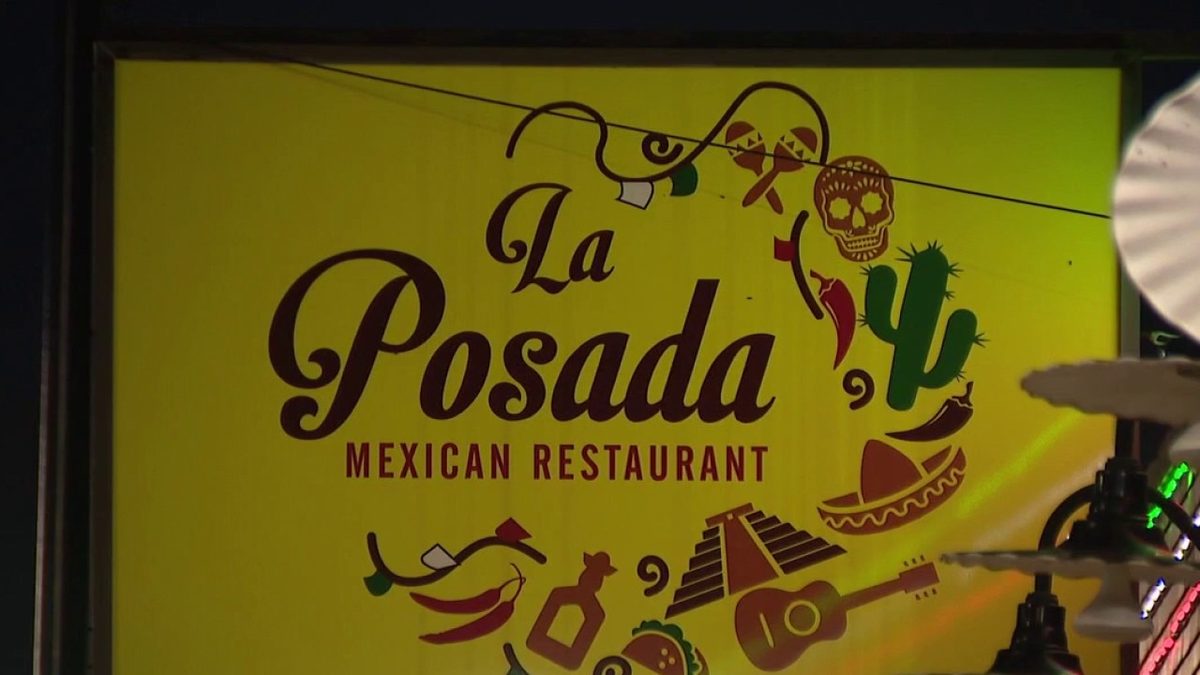
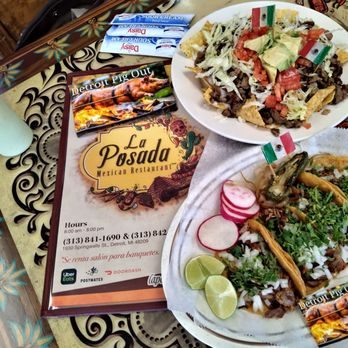
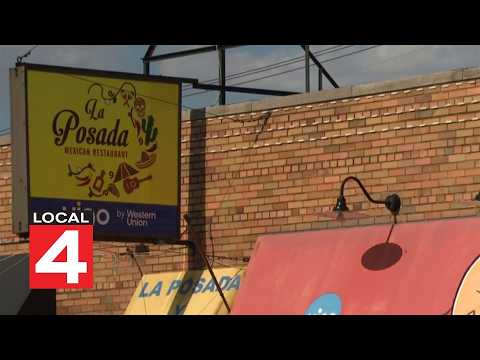
Federal agents arrested the owner of a Southwest Detroit restaurant on charges he laundered more than $140 million in drug proceeds to Mexican cartels. Juan Romo-Padilla, 58, allegedly ran the scheme through La Posada, his combination restaurant, convenience store, and money remitter.

The criminal complaint describes over 100,000 structured wire transfers to Mexico between 2022 and 2026, nearly all to states controlled by the Jalisco New Generation, La Familia Michoacana, and Sinaloa cartels. Romo-Padilla faces four federal counts, each carrying up to 20 years. DEA and IRS agents spent two years building the case before his Sept. 3 arrest.

Why it matters

Drug money laundered through small remitters like La Posada is the revenue stream that funds cartel operations across the United States.

Questions about this story

Free account needed to ask — your question is kept and asked for you right after sign-up. Answers are public.

No questions yet — be the first to ask.

Key Indicators

$140M+
Alleged laundered funds
Drug proceeds moved from La Posada to Mexico, 2022-2026
100,000+
Wire transfers
Structured transfers to cartel-linked states in Mexico
4
Federal charges
Conspiracy, international money laundering, and Bank Secrecy Act violations
4 years
Alleged laundering period
Transfers spanned 2022-2026 per the federal complaint

Voices

Curated perspectives — historical figures and your fellow readers.

Ever wondered what historical figures would say about today's headlines?

Sign up to generate historical perspectives on this story.

People Involved

Organizations Involved

Timeline

January 2022 September 2026

4 events Latest: 5 days ago
Tap a bar to jump to that date
  1. Alleged laundering begins at La Posada

    Alleged activity

    Federal complaint says structured wire transfers of drug proceeds to Mexico started this year.

Scenarios

1

Romo-Padilla pleads guilty, cooperates with prosecutors

Likely Resolves by Mar 1, 2027

Discussed by: Federal prosecutors in similar money-laundering cases typically seek cooperation to build cases against larger cartel networks. Defense attorneys often recommend plea bargains when evidence includes 100,000 documented wire transfers.

The documentary evidence — two years of traced transfers and business records — makes a full defense difficult. A guilty plea to one or more counts, possibly with cooperation against others in the cartel financial network, is the path most consistent with federal practice in structured-laundering cases.

2

Romo-Padilla goes to trial and is convicted

Possible Resolves by Dec 1, 2027

Discussed by: The government's evidence includes detailed wire transfer records from a two-year investigation. Convictions in structured-laundering cases generally hinge on proving intent, which prosecutors say the pattern of transfers supports.

If Romo-Padilla rejects a plea deal, the case proceeds to trial. Prosecutors would present the wire transfer records, business documents, and witness testimony. A conviction would likely carry a sentence near the upper end given the $140 million figure.

3

Investigation expands to additional defendants

Possible Resolves by Sep 1, 2027

Discussed by: Federal officials have emphasized dismantling cartel financial networks, and the complaint names three cartels operating across multiple states. Federal prosecutors often use initial arrests to build broader cases.

The complaint names the Jalisco New Generation, La Familia Michoacana, and Sinaloa cartels as beneficiaries. Federal agencies involved in the probe — DEA, IRS, and Homeland Security — may continue investigating other businesses or individuals in the remittance network. Cooperation from Romo-Padilla, if it happens, would accelerate this path.

Historical Context

3 moments from history that rhyme with this story — and how they unfolded.

May 1998

Operation Casablanca (1998)

Undercover DEA agents posed as corrupt bankers and money launderers, infiltrating Mexican banks that moved drug cash through the U.S. financial system. The sting resulted in 110 arrests and penalties against 12 Mexican banks, some of which had processed billions in laundered funds.

Then

Mexican officials protested the arrests, producing a diplomatic row and policy changes.

Now

It demonstrated how deeply cartel money ran through legitimate finance and marked an early federal effort to follow the money rather than just seize drugs.

Why this matters now

Casablanca exposed banks as laundering conduits; the La Posada case shows the same phenomenon now operating through smaller, family-owned remittance businesses.

January 2017

Western Union money laundering settlement (2017)

Western Union paid $586 million to resolve U.S. Justice Department allegations that it processed hundreds of thousands of transactions linked to drug trafficking. Prosecutors said the company failed to maintain adequate anti-money-laundering controls, allowing couriers and traffickers to use its wire service to move cash.

Then

Western Union strengthened compliance, hired monitors, and changed its reporting practices.

Now

The case established remittance companies as high-risk channels for cartel money, pushing enforcement scrutiny onto the industry.

Why this matters now

The Detroit case shows the same vulnerability at the small-business end of the remittance market, where a single restaurant and money-transfer shop moved nine figures.

1980s-2000s

Black Market Peso Exchange (1980s-2000s)

Colombian cartels converted U.S. drug dollars into pesos without moving cash across borders. Drug money in the U.S. was sold at a discount to brokers who used it to buy American goods for export to Colombia, laundering the proceeds through trade.

Then

U.S. regulators strengthened currency transaction reporting requirements to catch the structuring that the peso exchange relied on.

Now

The system remained the dominant laundering method for decades, forcing law enforcement to target financial intermediaries rather than traffickers.

Why this matters now

The Detroit case relies on the same logic — convert U.S. drug cash into value that reaches cartel leadership abroad — but uses wire transfers through a licensed remitter instead of trade goods.

Sources

(8)