

Pull to refresh
Logo
Nonprofit to own Detroit's Renaissance Center as Gilbert pledges $1B

Nonprofit to own Detroit's Renaissance Center as Gilbert pledges $1B

Built World Detroit, MI local

Gilbert's $1 billion is a gift the nonprofit never repays, but the $2.2B plan still needs nearly $548M in public support and a community benefits deal

Overview

Updated Oct 24

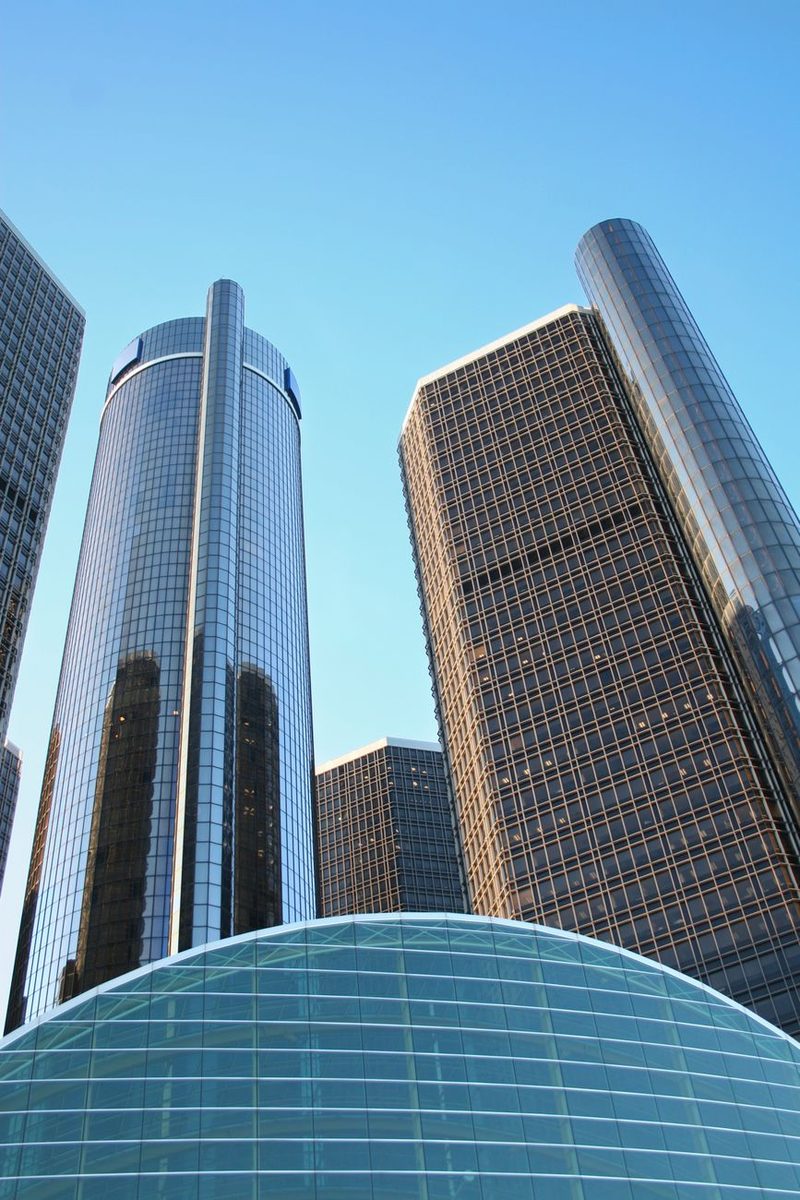
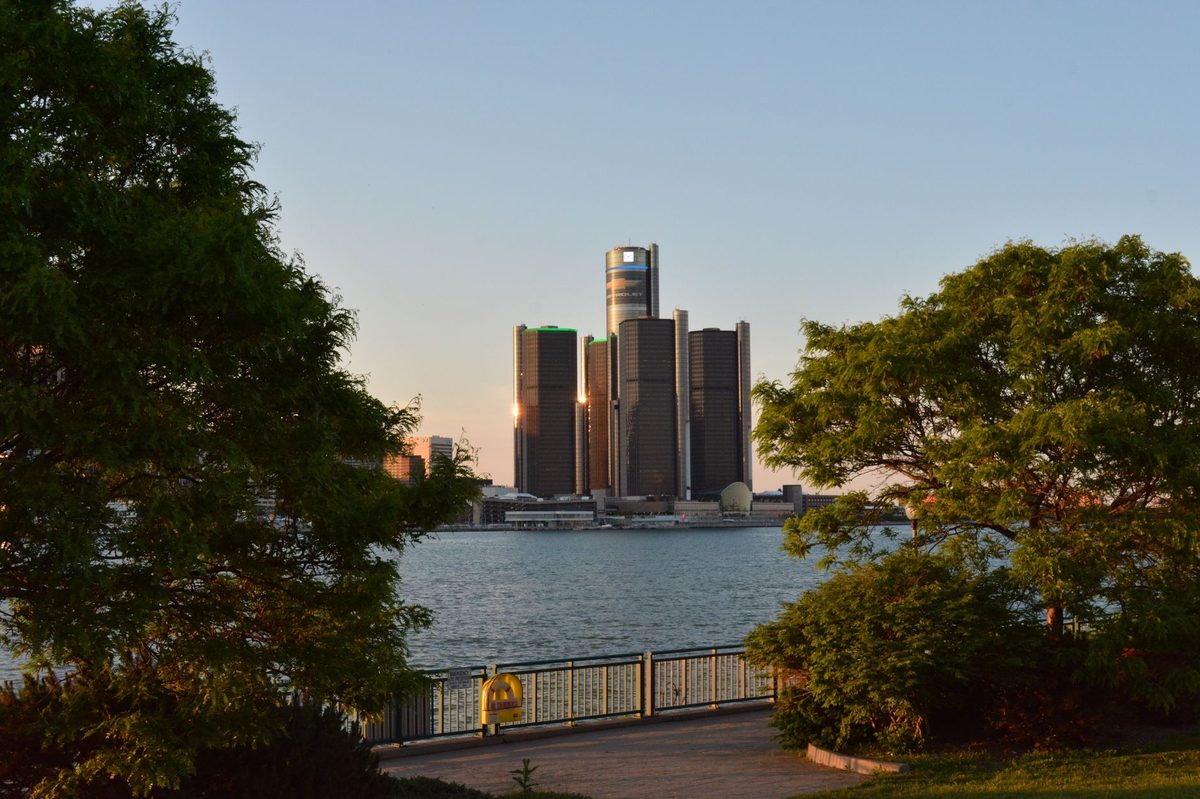
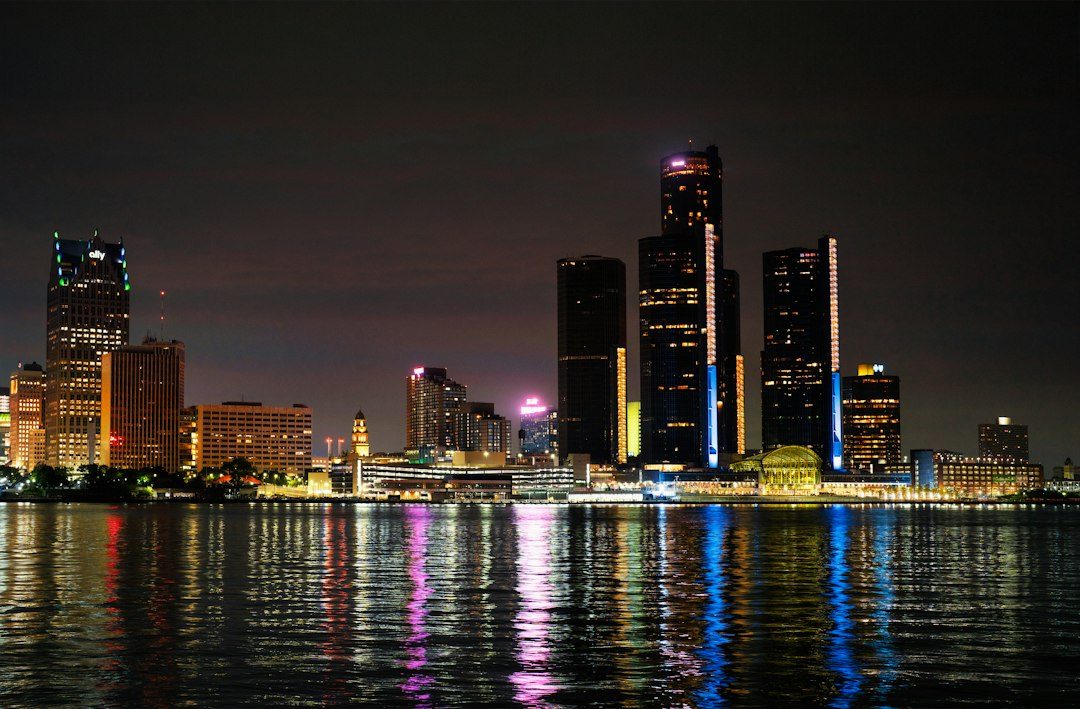
Dan Gilbert's $1 billion pledge to the Renaissance Center is a gift the nonprofit behind the project will never repay, and neither Gilbert nor his companies will take a profit, his family office Rock said in the Oct. 19 announcement. The 501(c)(4) nonprofit would own, redevelop and operate the complex and 35 acres of the east riverfront, with Bedrock managing the work at no charge.

The $2.2 billion plan still needs nearly $548 million in public support. On Oct. 20, the Neighborhood Advisory Council met and moved closer to a benefits package covering affordable housing, skilled-trades hiring and anti-displacement funds, but a deal was still at least a week away, negotiators said. At a City Council hearing on the financing, Bedrock's chief executive called a council member's questions "indecent" before apologizing for his tone.

Why it matters

The $2.2 billion plan decides whether Detroit's riverfront landmark becomes public space or stays an inward-facing corporate complex, and who shares the gains.

Last Monday's email for Detroit, MI

Sent Nov 9. It carried:

Get next Monday's: one short email a week. Free. Unsubscribe in one click.

Questions about this story

Free account needed to ask — your question is kept and asked for you right after sign-up. Answers are public.

No questions yet — be the first to ask.

Key Indicators

$1B
Dan Gilbert's pledge
Rock says the pledge converts about $1 billion Bedrock had already committed into a gift the nonprofit never repays and that is not tax-deductible.
$2.2B
Total redevelopment cost
The project is seeking nearly $548M in public support, including a $300M state Transformational Brownfield and $75M in city incentives.
$548M
Public support sought
State and local incentives developers say the redevelopment needs; a City Council hearing on the package drew sharp questions about the subsidy.
2,600
Permanent jobs planned
Plus more than 8,000 construction jobs over the buildout, per Rock's release.
384
Apartments planned in Tower 100
Conversion is phase two of the project, scheduled 2033-2036.
35 acres
Riverfront district size
The RenCen and east riverfront district the nonprofit is slated to own and redevelop.

Voices

Curated perspectives — historical figures and your fellow readers.

Sign up to generate historical perspectives on this story.

People Involved

Organizations Involved

Timeline

1971 October 2026

9 events Latest: October 20th, 2026 · 3 weeks ago
Tap a bar to jump to that date
  1. Advisory council meets on community benefits

    Latest Meeting

    The Neighborhood Advisory Council met to negotiate the benefits package. Members moved closer to setting aside several million dollars for affordable housing, skilled-trades labor and keeping Detroiters from being displaced, per FOX 2.

  2. Gilbert pledges $1B to nonprofit ownership plan

    Announcement

    New 501(c)(4) nonprofit is slated to own and redevelop the RenCen and 35-acre riverfront. Axios reported the $1B converts about $1B Bedrock had already committed into a gift that is not repaid and is not tax-deductible, with Bedrock managing the project at no cost.

  3. Brownfield authority advances $300M incentive

    Government

    The Detroit Brownfield Redevelopment Authority voted 4-2 to approve the project's Transformational Brownfield request, sending the estimated $300 million state tax capture to City Council.

  4. Council hearing on RenCen financing turns heated

    Government

    At a City Council committee hearing on the financing proposal, member McCampbell asked why the city should provide public money to developers with large liquid assets. Bedrock CEO Jared Fleisher defended Gilbert's $1 billion gift and called the questioning "indecent," then apologized for his tone. No vote was taken; McCampbell planned to submit written questions.

  5. GM vacates the Renaissance Center

    Transition

    GM relocates headquarters, freeing the RenCen for redevelopment.

  6. GM announces move to Hudson's site

    Announcement

    GM says it will leave the RenCen for Gilbert's new tower.

  7. GM buys Renaissance Center

    Ownership

    General Motors purchases the complex as its world headquarters.

  8. Renaissance Center opens

    Development

    Complex opens along the Detroit River, part of a push to revive the city.

  9. Construction begins on Renaissance Center

    Development

    Henry Ford II begins building the seven-tower riverfront complex.

Scenarios

1

Michigan approves $300M brownfield package for RenCen

Likely Resolves by Q2 2027

Discussed by: Project planners and state reviewers

The $300 million Transformation Brownfield Program package is the key state approval the project needs. The Downtown Development Authority has already approved $75 million in incentives. Approval would advance financing and clear the way for 2027 demolition.

2

RenCen demolition begins in 2027, two towers come down

Possible Resolves by Q1 2028

Discussed by: Rocket Companies' project timeline

Demolition of two 675,200-square-foot towers and the five-story podium is scheduled from 2027 to 2031. The hotel in the center tower would also be redeveloped. This is the first physical sign of construction on the site.

3

Redevelopment stalls as financing falls short

Unlikely Resolves by Q1 2028

Discussed by: The gap between announced funding and the $2.24B total

The announced funding sources, including Gilbert's $1B pledge, the $300M state package, and $75M in city incentives, total $1.375 billion against a $2.24 billion project. The remaining balance would need other financing. A shortfall in any piece could delay or shrink the plan.

Historical Context

3 moments from history that rhyme with this story — and how they unfolded.

1971-1977

Renaissance Center construction (1971-1977)

Henry Ford II and a consortium of corporate partners built the Renaissance Center on Detroit's riverfront, betting on urban renewal after the 1967 riots. It was one of the largest private developments of its era.

Then

The complex opened in 1977 but drew criticism as an isolated, fortress-like complex that turned its back on surrounding streets.

Now

GM bought it in 1996 and made it the automaker's world headquarters for nearly three decades.

Why this matters now

The new plan reverses the original design: opening the riverfront, demolishing two towers, and adding housing and public space.

2023-2025

GM's move to the Hudson's site (2023-2025)

General Motors announced in 2023 it would leave the Renaissance Center for a new tower on the former Hudson's department store site. GM occupied the new building in 2025.

Then

The move freed the RenCen for redevelopment after nearly 30 years of corporate occupancy.

Now

GM stayed in downtown Detroit, and Gilbert's Bedrock gained both a flagship tenant and the question of what to do with the RenCen.

Why this matters now

The vacancy Gilbert's own Hudson's project created is now being filled by his $1 billion nonprofit pledge.

2017-2025

Bedrock's Hudson's redevelopment (2017-2025)

Dan Gilbert's Bedrock demolished the long-vacant Hudson's department store and built a mixed-use tower that became GM's new headquarters. It's the centerpiece of Gilbert's downtown portfolio.

Then

The Hudson's project drew GM out of the RenCen and cemented Bedrock's role as Detroit's dominant developer.

Now

It demonstrated Gilbert's ability to pull off decade-long, large-scale downtown developments, the same playbook now applied to the RenCen.

Why this matters now

The Hudson's project created the RenCen vacancy and shows the redevelopment approach Gilbert is applying again.

Sources

(12)