

Pull to refresh
Logo
Baobab Fare breaks ground on second Detroit restaurant on East Warren

Baobab Fare breaks ground on second Detroit restaurant on East Warren

Built World Detroit, MI local

Refugee couple's East African eatery starts construction on East Warren while a new Eastern Market spot, Waka, is already serving

Overview

Updated Oct 30

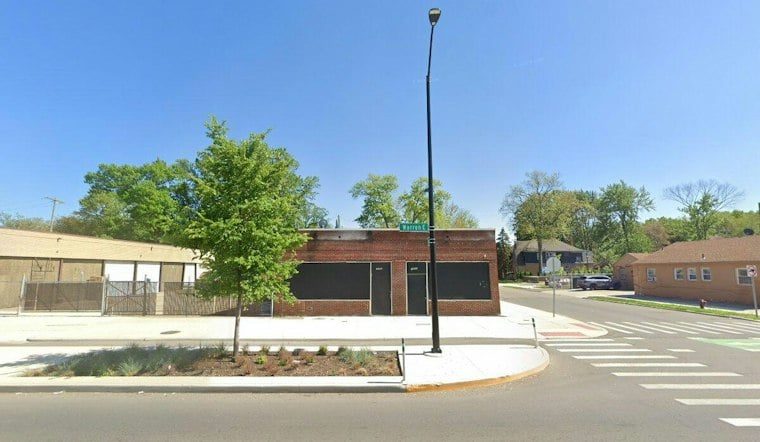
Baobab Fare owners Mamba Hamissi and Nadia Nijimbere broke ground Oct. 26 on a second restaurant at 16900 East Warren. The 3,000-square-foot building, a former video rental store and tax office, sat empty about a decade. City officials put the project at $2.5 million; the renovation itself has been reported at $1.3 million. No opening date has been announced.

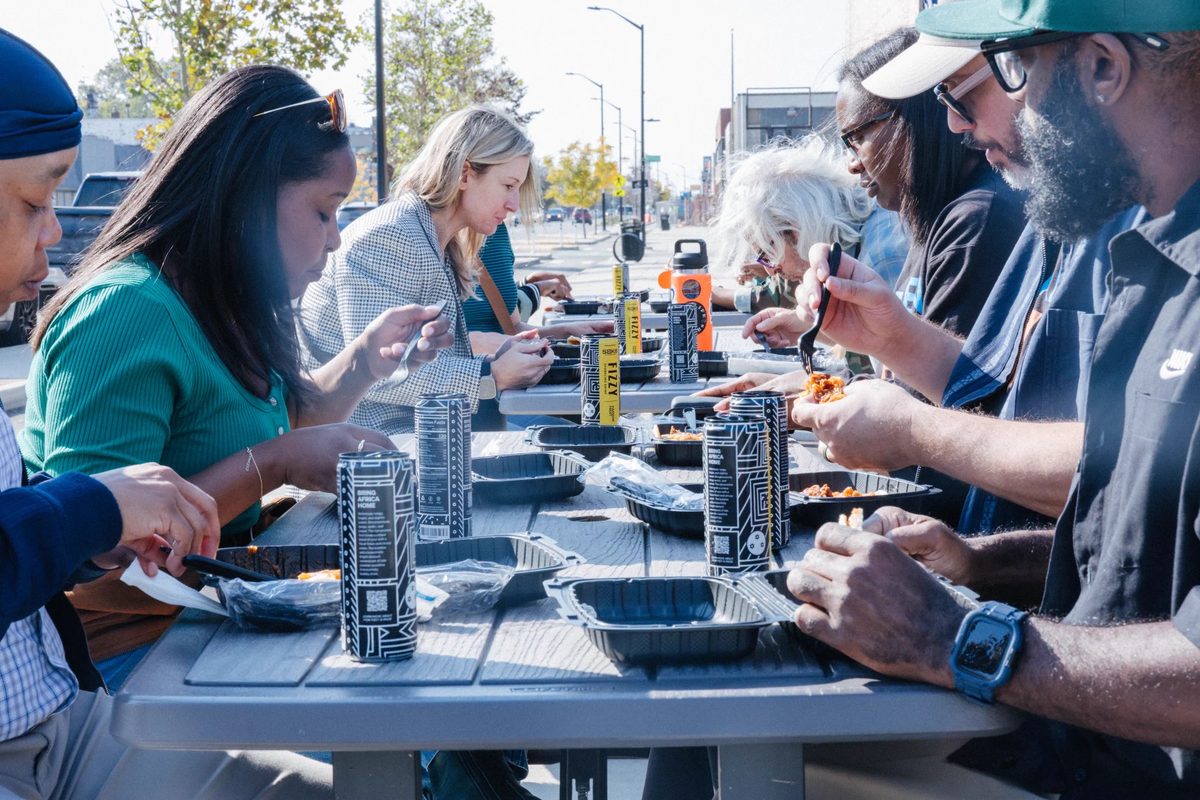
The couple opened Waka, a fast-casual East African street food restaurant, at 2465 Russell St. in Eastern Market on Sept. 26. The East Warren building, bought from the city for $145,000 in March 2024, is about twice the size of the original Woodward Avenue restaurant and is to have larger tables and a mocktail bar. The block around it changed while it sat empty: the city finished a new E. Warren streetscape, Little Liberia, Savoy and the brunch spot Twelve Flavorz opened nearby, and the East Warren Public Market broke ground.

Why it matters

If it opens as planned, a decade-vacant East Warren storefront becomes the sit-down anchor residents said they wanted most.

Last Monday's email for Detroit, MI

Sent Nov 9. It carried:

Get next Monday's: one short email a week. Free. Unsubscribe in one click.

Questions about this story

Free account needed to ask — your question is kept and asked for you right after sign-up. Answers are public.

No questions yet — be the first to ask.

Key Indicators

$2.5 million
Planned investment in East Warren location
Figure cited by city officials at the groundbreaking; BridgeDetroit has reported the renovation at $1.3 million.
3,000 sq ft
Size of the former video store building
The structure at 16900 East Warren had been vacant about a decade and is roughly twice the size of the original restaurant.
3
Restaurants opened or planned by the owners
Baobab Fare on Woodward Avenue, Waka in Eastern Market, and the East Warren location under construction.
8,700
Homes reached in 2021 Invest Detroit outreach
Sit-down restaurants were the top request from residents.

Voices

Curated perspectives — historical figures and your fellow readers.

Sign up to generate historical perspectives on this story.

People Involved

Organizations Involved

Timeline

2021 October 2026

6 events Latest: October 26th, 2026 · 2 weeks ago
Tap a bar to jump to that date
  1. Groundbreaking on East Warren location

    Latest Construction

    The couple breaks ground on a $2.5 million second Baobab Fare at 16900 East Warren with district officials present.

  2. Waka opens in Eastern Market

    Opening

    The owners open a fast-casual East African street food restaurant at 2465 Russell St., the brick-and-mortar version of their food truck. The menu includes chapati wraps, brochettes and sambusas.

  3. Hamissi says East Warren project is still on

    Update

    In a May 2025 newsletter to customers, Hamissi wrote that people kept asking whether the project was still on. "Yes," he wrote. "These things take time, but we're in it for however long it takes."

  4. Couple buys vacant East Warren building

    Purchase

    Hamissi and Nijimbere buy 16900 East Warren from the City of Detroit for $145,000 in March 2024, a 3,000-square-foot building vacant about a decade.

  5. James Beard finalist recognition

    Award

    Baobab Fare is named a finalist for the James Beard Foundation's Outstanding Restaurateur award.

  6. Invest Detroit outreach finds diners want sit-down restaurants

    Research

    Outreach knocking on 8,700 homes names sit-down dining the top resident request for East Warren.

Scenarios

1

Baobab Fare's East Warren restaurant opens in 2027

Likely Resolves by End of 2027

Discussed by: Raw Detroit, which reported the city's timeline puts the opening in 2027, and East Warren Development Corporation

Construction proceeds through 2027 and the restaurant opens to customers. The owners have a track record of following through, and the opening would give East English Village the sit-down anchor residents requested.

2

Construction delays push East Warren opening past 2027

Possible Resolves by End of 2027

Discussed by: BridgeDetroit, which originally reported a late-2024 target that already slipped

The schedule drifts again. The project has already moved from an initial late-2024 target to a 2026 estimate, and permitting, funding, and build-out issues could push the opening into 2028.

3

East Warren success fuels a third Baobab Fare location

Possible Resolves by End of 2028

Discussed by: District 4 Council Member Latisha Johnson, who says every district wants a Baobab Fare

The East Warren location opens and draws steady business, echoing the original restaurant's growth. The couple, who already turned down expansion to other cities, announces plans for another Detroit site.

Historical Context

2 moments from history that rhyme with this story — and how they unfolded.

2005

Slows Bar BQ anchors Corktown's revival (2005)

Slows Bar BQ opened in 2005 in a long-vacant building in Detroit's Corktown, then a struggling, sparsely populated neighborhood. The barbecue restaurant quickly drew lines down Michigan Avenue.

Then

Other restaurants, bars, and shops followed, and foot traffic returned to the corridor.

Now

Corktown became Detroit's most cited example of a restaurant-led neighborhood revival, drawing developers and new residents.

Why this matters now

Like Slows on Michigan Avenue, Baobab Fare's East Warren location is a single independent business betting it can anchor a corridor residents want revived. The precedent shows one strong restaurant can shift a neighborhood's trajectory.

1982

Zingerman's Deli roots in Ann Arbor (1982)

Ari Weinzweig and Paul Saginaw opened Zingerman's Deli in Ann Arbor in 1982 with a few thousand dollars. The deli grew into a multi-business local food institution with its own training programs.

Then

The deli became a destination and a model for high-quality, community-focused food service.

Now

Zingerman's grew by adding businesses in its home community rather than franchising, becoming a national case study in local scaling.

Why this matters now

Baobab Fare is following a similar playbook—expanding within Detroit rather than taking offers to move elsewhere. The owners say the growth is meant to mean something for the neighborhood, not just for the business.

Sources

(8)