



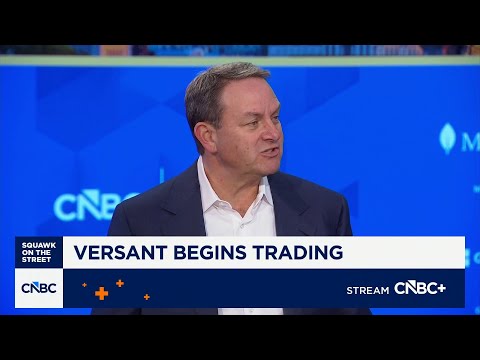
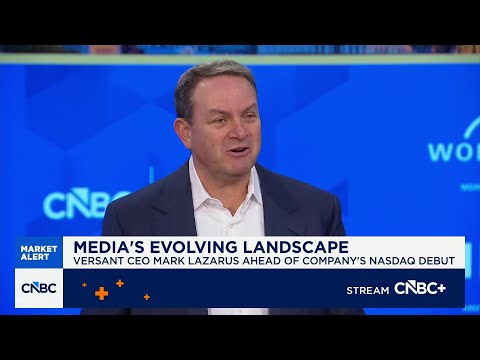
The divorce is final. On January 2, 2026, Comcast completed the pro rata distribution of Versant Media Group shares to its shareholders, and on January 5 the new company began regular-way trading on Nasdaq under ticker VSNT. The market's verdict was swift: Versant opened at $45.17 but closed its first day down 13% at $40.57, then continued falling to around $34.41 by week's end—a 24% drop from its debut price. That gives the cable-network bundle a market value of roughly $5.9 billion, or about 4.5 times projected 2026 EBITDA, well below the $10 billion that early estimates floated.
The harsh pricing reflects Wall Street's skepticism about linear TV: Versant's portfolio (CNBC, MS NOW, USA Network, Golf Channel, E!, Syfy, Oxygen, plus digital brands Fandango and Rotten Tomatoes) generated $7.1 billion in revenue in 2024, down from $7.8 billion in 2022. Credit agencies assigned junk-grade BB ratings, citing headwinds facing traditional TV despite the company's strong brand portfolio. Now the test begins: Can CEO Mark Lazarus execute a 'build beyond cable' strategy—selective M&A, FAST expansion, cost discipline—fast enough to outrun affiliate-fee decline and prove Versant is more than a runoff vehicle?