



Pull to refresh
Logo
Cliff cypress returns in Chongqing after extinction in the wild

Cliff cypress returns in Chongqing after extinction in the wild

New Capabilities

A 300-million-year-old conifer declared extinct in 1998 now numbers about 10,000 wild trees, 70% of them in Chongqing

September 4th, 2026: Human Progress reports cliff cypress comeback

Overview

Updated 5 days ago

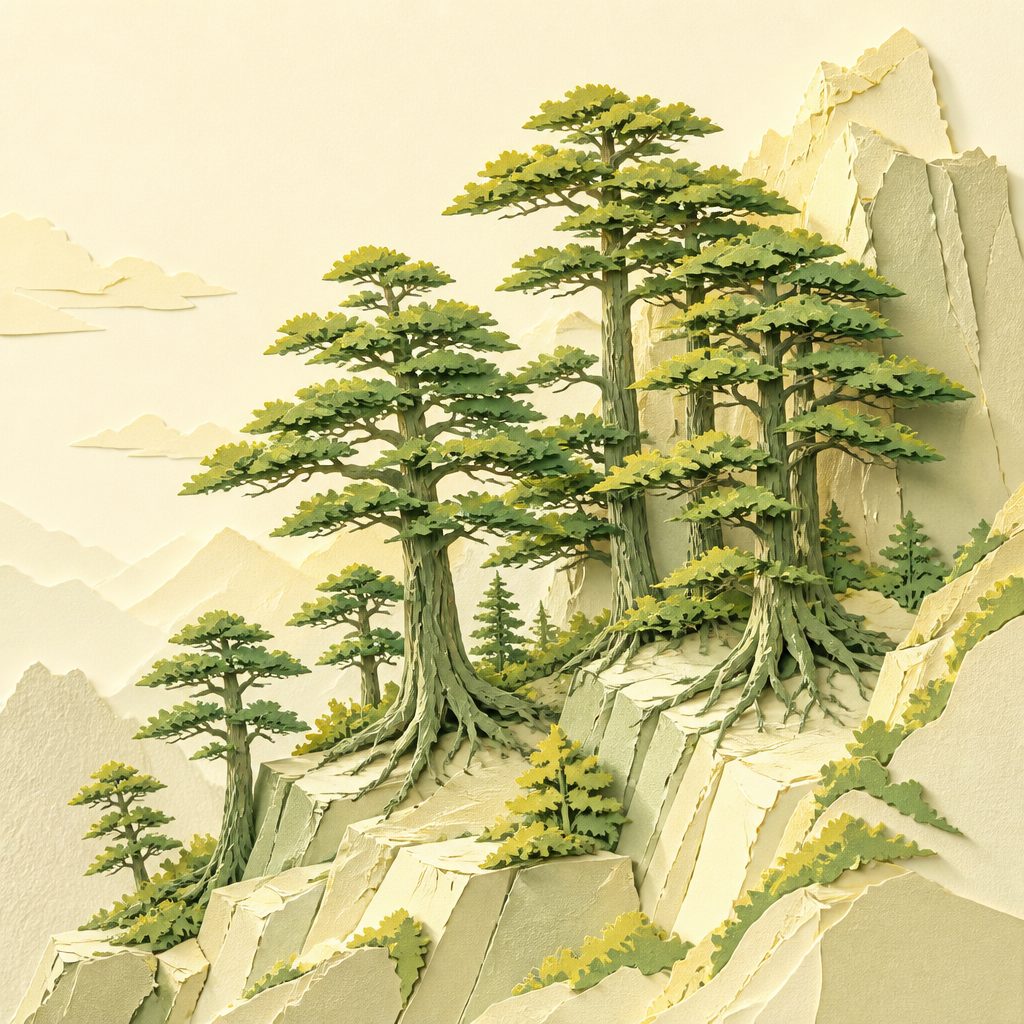
The International Union for Conservation of Nature declared the cliff cypress extinct in the wild in 1998. Twenty-eight years later, roughly 10,000 mature trees grow in China's Daba Mountains, and about 70% of them are in Chongqing.

The recovery came from a two-decade effort that pushed cutting-propagation survival from under 20% to above 90% and now produces more than 2 million seedlings a year. The species, nicknamed the 'giant panda of the plant world,' is now a model for pairing endangered-plant conservation with local revenue.

Why it matters

A species declared extinct in the wild now numbers 10,000 trees, showing that targeted propagation and habitat protection can reverse extinction.

Questions about this story

Free account needed to ask — your question is kept and asked for you right after sign-up. Answers are public.

No questions yet — be the first to ask.

Key Indicators

~10,000
Mature cliff cypresses in the wild
About 70% grow in Chongqing's Xuebaoshan reserve area.
70%
Share of wild population in Chongqing
The rest are scattered across the Daba Mountains.
>90%
Cutting-propagation survival rate
Up from below 20% before the conservation program began.
2 million+
Seedlings produced annually
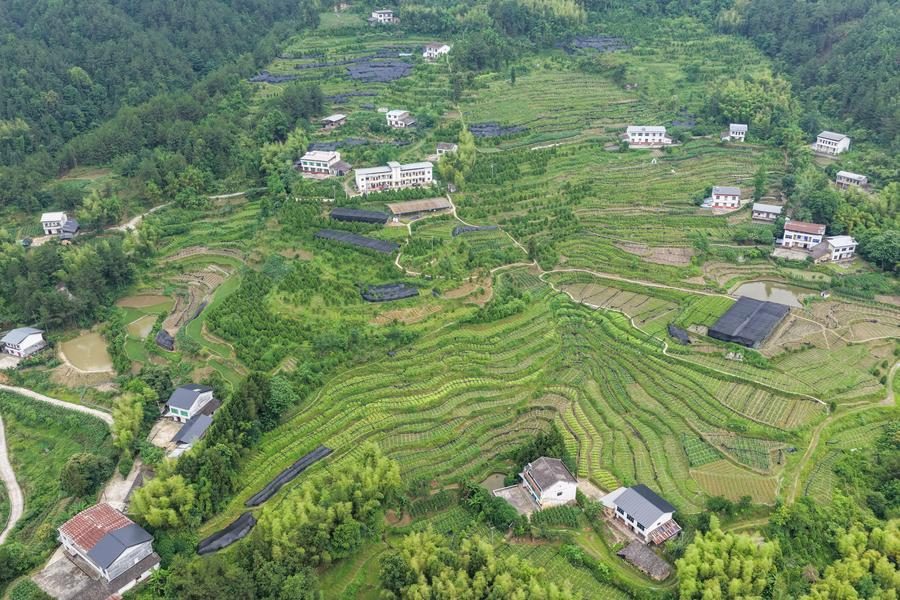
Supports reintroduction across 4,500 mu of former habitat.
52
Ex-situ conservation bases
Spread across 17 cities, with average survival above 85%.

Voices

Curated perspectives — historical figures and your fellow readers.

Ever wondered what historical figures would say about today's headlines?

Sign up to generate historical perspectives on this story.

People Involved

Organizations Involved

Timeline

1998 September 2026

8 events Latest: September 4th, 2026 · 1 week ago
Tap a bar to jump to that date
  1. Human Progress reports cliff cypress comeback

    Latest Media

    The recovery is publicized as a global model for reversing extinction in the wild.

  2. Chongqing press briefing details recovery progress

    Statement

    Officials announce propagation breakthroughs, digital monitoring, and expansion plans.

  3. Kaizhou wins Global Model of Ecological Restoration and Protection Award

    Recognition

    Awarded at the 20th Global Forum on Human Settlements in Geneva, Switzerland.

  4. Kaizhou details commercial development strategy

    Policy

    Official Li Chuanguo presents deep-processed products, trademarks, and carbon credit plans.

  5. Seedlings planted along Gansu cliffs

    Conservation

    Adaptive cultivation trial begins in Ningxian County, Qingyang, Gansu Province.

  6. Xuebaoshan reserve placed under unified municipal management

    Governance

    Chongqing takes direct control of the reserve to enable more efficient habitat protection.

  7. Remnant population rediscovered in Daba Mountains

    Discovery

    Fewer than 10,000 individuals found in Chongqing's Daba Mountains, ending the extinction declaration.

  8. IUCN declares cliff cypress extinct in the wild

    Conservation

    The International Union for Conservation of Nature classifies Thuja sutchuenensis as Extinct in the Wild.

Scenarios

1

Cliff cypress reaches 200,000 mu by 2030

Possible Resolves by End of 2030

Discussed by: Chongqing Forestry Bureau and Kaizhou district officials

Kaizhou's 'one center, two bases' plan aims for planting areas exceeding 200,000 mu and more than 5 million propagated seedlings by 2030. The plan includes a research center, seedling production bases, and an integrated eco-tourism zone. Success depends on continued funding and the mass seed-propagation breakthrough holding up at scale.

2

Adaptive cultivation spreads to semi-arid China

Possible Resolves by End of 2028

Discussed by: Wang Shuxiang, Deputy Director of Chongqing Forestry Bureau

Trials in Inner Mongolia, Gansu, and Qinghai test whether the drought-tolerant conifer can restore water-scarce landscapes. Success would make the species a restoration tool beyond its native range and reduce extinction risk from localized disasters. Cross-regional experiments with national research institutes would generate transferable cultivation methods.

3

Commercial products fund conservation

Likely Resolves by End of 2027

Discussed by: Kaizhou district officials, including Li Chuanguo

More than 10 deep-processed products (shampoos, face masks, essential oils) and 100+ registered trademarks aim to turn conservation into revenue. Forestry carbon credit trading adds another income stream. The 'closed-loop' mechanism links research, protection, industry, and reinvestment to sustain funding over five years.

Historical Context

3 moments from history that rhyme with this story — and how they unfolded.

1900-2004

Ginkgo biloba near-extinction (early 20th century)

Ginkgo survived mainly in cultivation by Buddhist monks in China. A 2004 paper suggested supposedly wild populations were actually cultivated, meaning the species may have no truly wild stands left.

Then

Cultivation preserved the species despite its wild decline.

Now

Ginkgo now lines streets worldwide, saved entirely by human propagation.

Why this matters now

Shows that cultivation can preserve a species even when wild populations vanish. The cliff cypress effort goes further by restoring wild populations, not just preserving the species in cultivation.

1941-1948

Dawn redwood rediscovery (1940s)

Metasequoia glyptostroboides was known only from fossils until a living stand was found in central China's Sichuan-Hubei border region. Seeds were collected and distributed to botanical gardens worldwide.

Then

The species went from presumed extinct to widely cultivated within a decade.

Now

Dawn redwoods now grow on every continent, a standard example of a 'living fossil' saved by propagation.

Why this matters now

Like the cliff cypress, a Chinese conifer thought extinct was rediscovered and saved through human propagation. The cliff cypress recovery follows the same playbook at a larger scale.

2026

Glyptostrobus pensilis decline (ongoing)

A related relict conifer, Glyptostrobus pensilis, is still declining. A 2026 study documented a dying micro-population at Nanhua Temple in southern China, with trees at high risk of local extinction.

Then

The Nanhua Temple population continues to decline despite its protected status.

Now

The species remains globally threatened, a contrast to the cliff cypress's recovery.

Why this matters now

Rediscovery alone does not guarantee recovery. The cliff cypress succeeded because of active propagation and reintroduction, not just protection.

Sources

(5)