


Pull to refresh
Logo
China's fiscal revenue growth slows as land sales keep falling

China's fiscal revenue growth slows as land sales keep falling

Money Moves

Jan-Sep revenue up 5.1% y/y, slowing from 5.7%; September receipts fall for the first time in 2026 as land-sale revenue drops 27.9%

Overview

Updated Oct 24

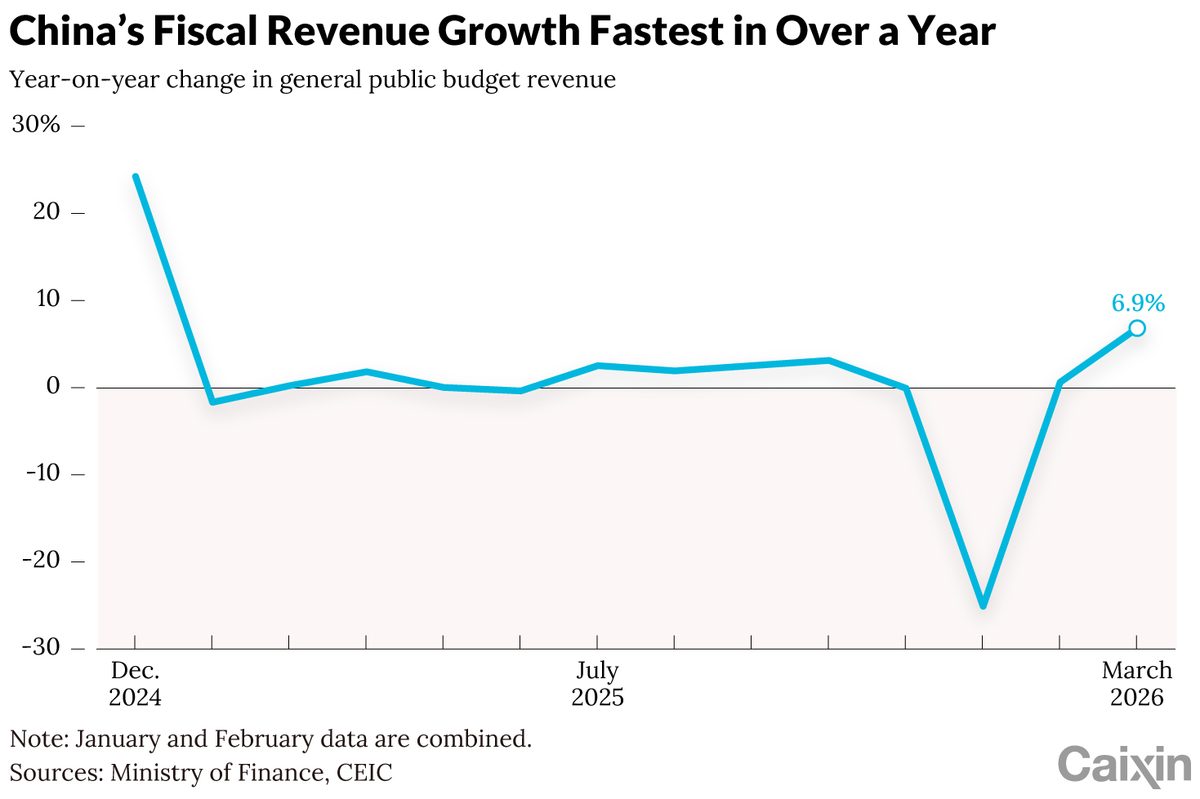
China's main budget account took in 17.23 trillion yuan in the first nine months of 2026, up 5.1% from a year earlier and slower than the 5.7% pace through August. September was the first month this year that receipts fell, down 0.12%, the Finance Ministry said on October 23.

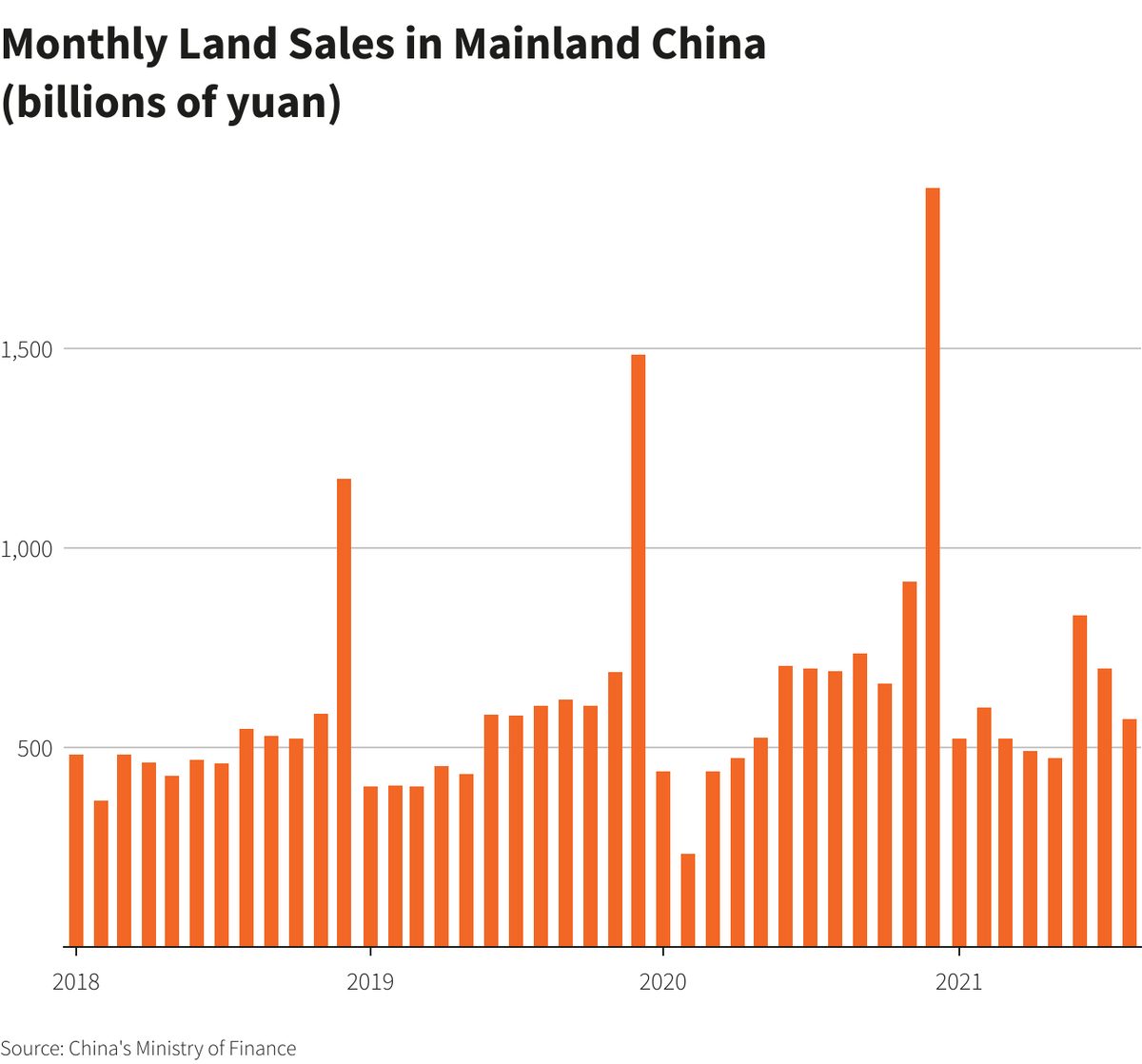
Land sales, which fund local governments outside the main budget, brought in 1.61 trillion yuan, down 27.9% from a year earlier. The monthly drop widened to 23.5% in September from 12.3% in August, Goldman Sachs estimated. Beijing has sold 3.56 trillion yuan of special bonds, 81% of this year's quota, and has allocated 550 billion yuan of unused local debt quota to county budgets and fourth-quarter projects.

Why it matters

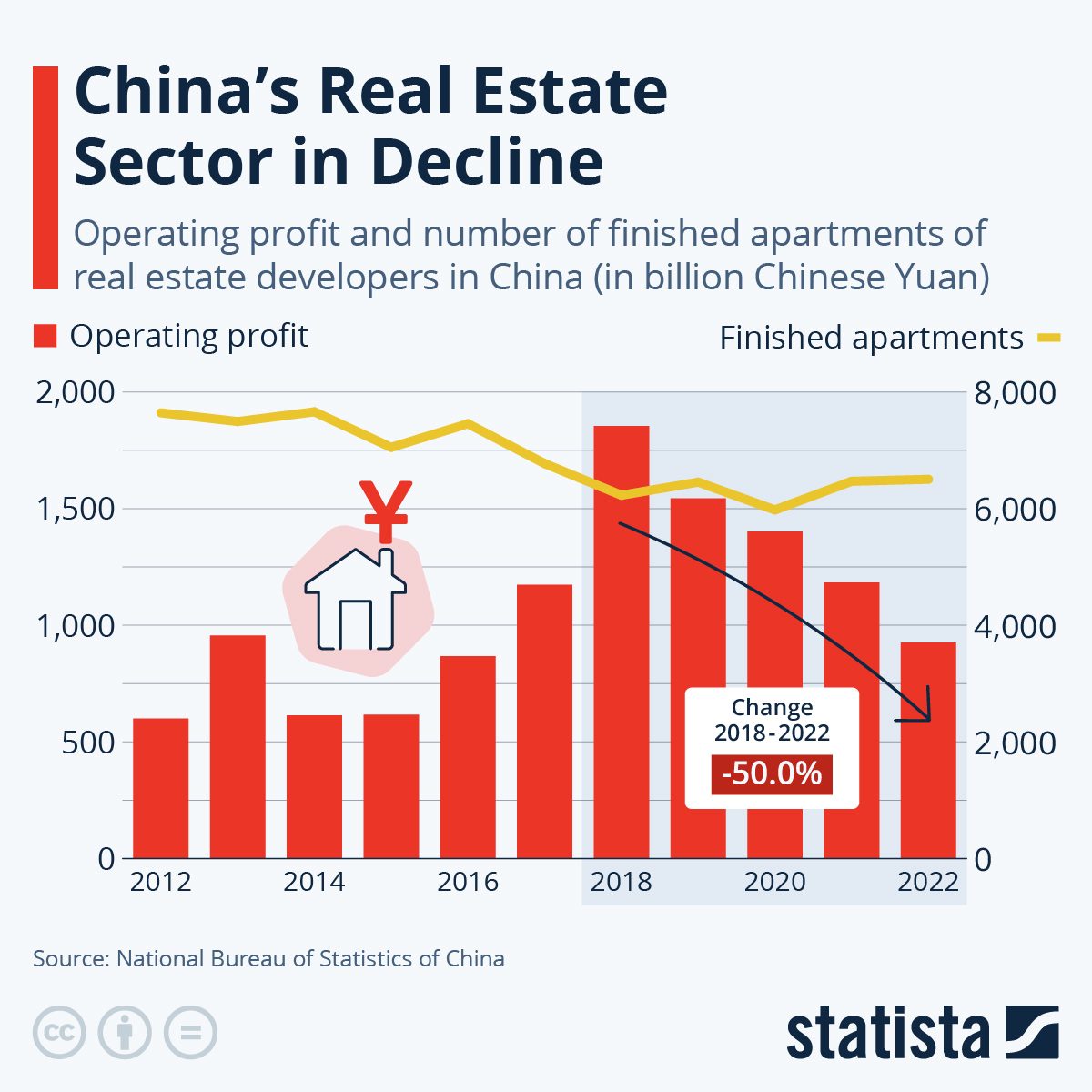
China's local governments are losing their biggest revenue source to the property downturn; how Beijing fills the gap shapes the country's fiscal health.

Questions about this story

Free account needed to ask — your question is kept and asked for you right after sign-up. Answers are public.

No questions yet — be the first to ask.

Key Indicators

5.1%
Jan-Sep fiscal revenue growth
Year-on-year growth in general public budget revenue, slowing from 5.7% in Jan-Aug.
-0.12%
September revenue change
September general public budget revenue fell 0.12% from a year earlier, the first monthly decline of 2026.
27.9%
Land-sale revenue decline
Year-on-year drop in government land-sale revenue in Jan-Sep, narrowing from 28.6% in Jan-Aug.
81%
Special bond quota used
Share of the 2026 local special bond quota issued by end-September, or 3.56 trillion yuan.
98.3%
Hidden-debt replacement quota issued
Share of the 6 trillion yuan quota for replacing local hidden debt that has been issued.
1%
Fiscal expenditure growth
Year-on-year growth in general public budget spending in Jan-Sep, slowing from 1.2% in Jan-Aug.

Voices

Curated perspectives — historical figures and your fellow readers.

Sign up to generate historical perspectives on this story.

People Involved

Organizations Involved

Timeline

4 events Latest: October 23rd, 2026 · 3 weeks ago
Tap a bar to jump to that date
  1. China reports Jan-Sep fiscal revenue up 5.1% y/y

    Latest Data release

    Reports Jan-Sep revenue of 17.23 trillion yuan, up 5.1% y/y, slowing from 5.7%. September revenue alone fell 0.12% y/y, the first monthly decline of 2026, and land-sale revenue was down 27.9% over the nine months.

  2. Hidden-debt replacement quota 98.3% issued

    Announcement

    Says 6 trillion yuan hidden-debt replacement quota is 98.3% issued; 2027 quota to be front-loaded.

  3. Goldman Sachs cuts China's 2026 deficit forecast

    Analysis

    The bank lowered its forecast for China's augmented fiscal deficit to 10.0% of GDP from 11.5%, citing fiscal contraction so far this year and delayed easing.

  4. Ministry allocates 550 billion yuan of unused local debt quota

    Announcement

    The Finance Ministry said the quotas are allocated, with 300 billion yuan for county budgets and 250 billion yuan for fourth-quarter projects. Guangdong and Sichuan plan special bond sales of 36.1 billion yuan and 10 billion yuan.

Scenarios

1

Land-sale revenue keeps sliding past 25%

Likely Resolves by Jan 31, 2027

Discussed by: Reuters and Ministry of Finance officials, noting the 27.9% decline

If the property downturn persists, land-sale revenue will keep falling, forcing local governments to rely more on central transfers and bond issuance. The full-year data will show whether the decline widens beyond the current 27.9%.

2

Property market stabilizes, land revenue decline narrows

Possible Resolves by Jan 31, 2027

Discussed by: Ministry of Finance officials, noting the decline narrowed from 28.6% to 27.9%

The land-sale revenue decline narrowed slightly from Jan-Aug to Jan-Sep, a possible early sign of stabilization. If the property market bottoms out, land revenue could recover, easing pressure on local budgets.

3

Fiscal revenue growth falls below 3% for full year

Possible Resolves by Jan 31, 2027

Discussed by: Newsquawk, noting decelerating revenue growth tracks soft land sales and weak corporate profits

Revenue growth has decelerated from 5.7% to 5.1%. If the trend continues through Q4, full-year growth could fall below 3%, signaling deeper fiscal strain and likely more bond issuance.

4

Land-sale decline narrows again in October data

Possible Resolves by Nov 20, 2026

Discussed by: Ministry of Finance monthly data, with Goldman Sachs tracking the monthly land-sale series

The nine-month decline of 27.9% was slightly smaller than the 28.6% recorded through August, even as the single-month drop widened. The January-October release will show which direction holds.

5

Fourth-quarter spending falls short of the budget plan

Uncertain Resolves by Jan 31, 2027

Discussed by: The Edge, calculating that hitting the spending plan needs a fourth quarter 34.4% larger than the third

Spending rose just 1% in the first nine months, well behind the revenue pace. A shortfall in the fourth quarter would leave this year's budgeted spending unspent and weaken the stimulus reaching the economy.

Historical Context

2 moments from history that rhyme with this story — and how they unfolded.

2015-2018

China's 2015 local debt swap (2015-2018)

China's Ministry of Finance launched a program to swap local government debt into bonds, converting opaque borrowing by local government financing vehicles into transparent, lower-cost bonds. The program covered trillions of yuan over several years.

Then

Lowered local borrowing costs and made debt visible on government balance sheets.

Now

The swap didn't stop local governments from accumulating new hidden debt, which is why a second, larger replacement program was needed.

Why this matters now

The current 6 trillion yuan replacement program is the same mechanism, applied to debt accumulated since the 2015 swap.

1991-2000s

Japan's land price collapse (1991-2000s)

Japan's property bubble burst in 1991, and land prices fell for over a decade. Local governments, which relied heavily on property-related taxes and land sales, saw revenue collapse.

Then

Local governments cut spending and took on debt; the national government stepped in with transfers.

Now

Japan's fiscal position deteriorated, and the country entered a prolonged period of low growth and deflation.

Why this matters now

China's land-sale revenue is down 27.9% y/y, a similar pattern of property-driven fiscal strain.

Sources

(14)