
Pull to refresh
Logo
Chicago's crowded mayoral field heads to petition challenges

Chicago's crowded mayoral field heads to petition challenges

Rule Changes Chicago, IL local

Sixteen candidates filed for mayor. On Nov. 2, challenges landed against Mayor Brandon Johnson and several rivals, with hearings set to begin Nov. 9.

Overview

Updated Nov 3

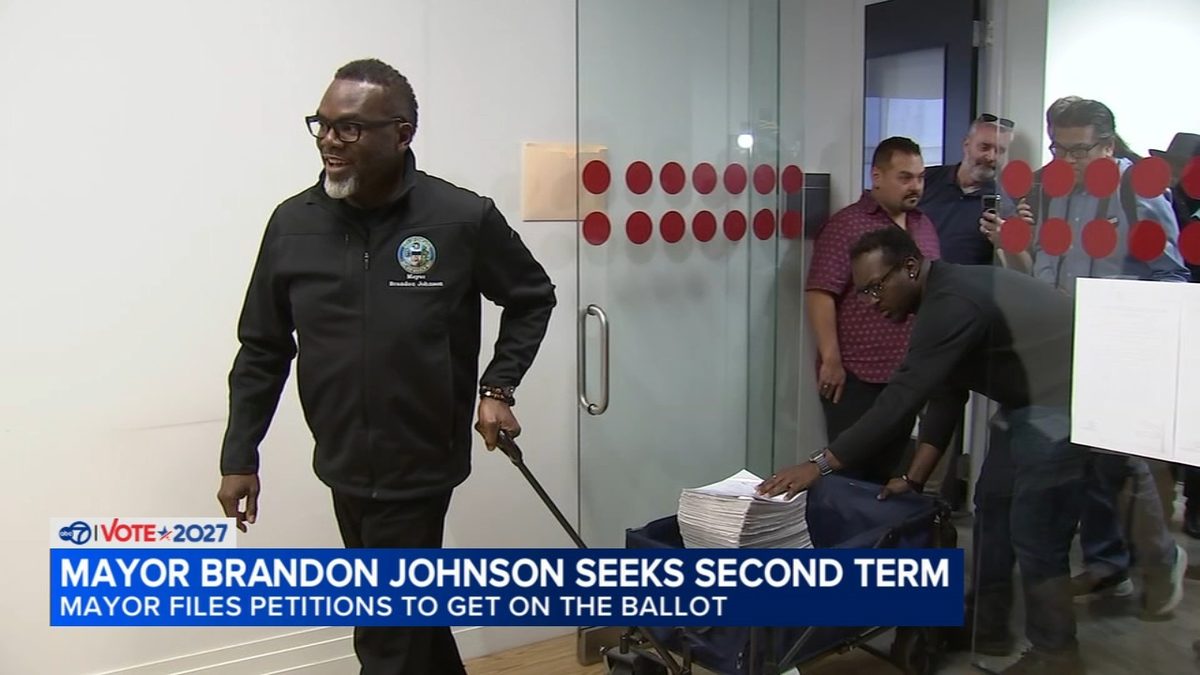
Willie Wilson's campaign filed a challenge to Mayor Brandon Johnson's nominating petitions on Nov. 2, arguing that photocopied signatures and unregistered circulators leave him short of the 12,500 valid signatures needed to appear on the ballot. Johnson, the first incumbent to face such a challenge since 2007, filed 33,000 signatures and says he will survive.

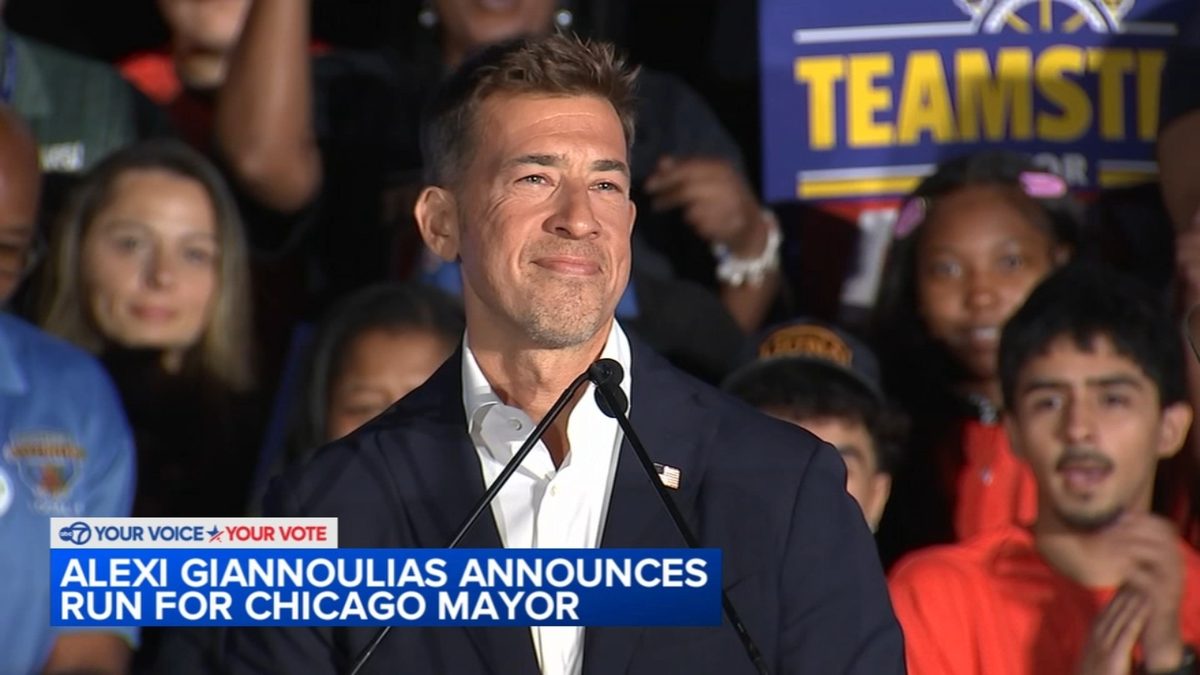
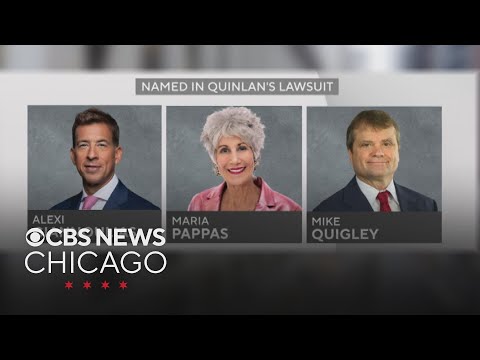
Challenges also hit Susana Mendoza, Alexi Giannoulias, Mike Quigley, Maria Pappas and Lisa Nee. Giannoulias, the $19.3 million front-runner, filed a challenge against attorney William Quinlan. The Chicago Board of Election Commissioners begins hearings Nov. 9 and must certify the final ballot by Dec. 17.

Why it matters

Chicago's next mayor will set tax, police and housing policy for four years — but ballot challenges may decide who gets to run for the job.

Last Monday's email for Chicago, IL

Sent Nov 9. It carried:

Get next Monday's: one short email a week. Free. Unsubscribe in one click.

Questions about this story

Free account needed to ask — your question is kept and asked for you right after sign-up. Answers are public.

No questions yet — be the first to ask.

Key Indicators

16
candidates who filed for mayor
Sun-Times total after the Oct. 26 deadline. Field expected to shrink during challenges.
12,500
valid signatures required per candidate
Candidates filed between about 13,000 and 60,000 signatures, but challenges can invalidate many.
33,000
signatures Johnson filed
Low for an incumbent; Wilson's campaign challenged the filing on Nov. 2.
$19.3M
Giannoulias campaign war chest
Presumed front-runner; his campaign challenged William Quinlan's petitions on Nov. 2.
30%
Johnson's approval rating
Sun-Times reported 30% approval on Nov. 2.
$400K
Johnson campaign war chest
Sun-Times reported about $400,000 on hand as the petition challenge began.

Voices

Curated perspectives — historical figures and your fellow readers.

Sign up to generate historical perspectives on this story.

People Involved

Organizations Involved

Timeline

October 2025 February 2027

12 events Latest: November 2nd, 2026 · 1 week ago Showing 8 of 12
Tap a bar to jump to that date
  1. Election day

    Upcoming Election

    Voters go to the polls; runoff scheduled for April 6 if no candidate reaches 50% plus one.

  2. Final-day filings bring total to 16

    Milestone

    Mendoza, Pappas, Nee, Cardenas, Quinlan, Holberg, Carter-Walters, Ma, Maronto and others file on the last day. The Sun-Times counts 16 candidates in all.

  3. Johnson files for reelection

    Milestone

    Incumbent Brandon Johnson files 33,000 signatures, skipping the lottery for the top ballot spot.

  4. First-day filings

    Milestone

    Giannoulias, Quigley, Wilson, Kelly and Brewer file signatures on opening day; Giannoulias turns in about 60,000.

  5. Brewer joins after CHA ouster

    Announcement

    Former Chicago Housing Authority chair Matt Brewer announces his bid after Johnson ousted him.

  6. Cardenas announces bid

    Announcement

    Cook County Board of Review Commissioner George Cardenas enters the mayoral field.

  7. Mendoza enters the race

    Announcement

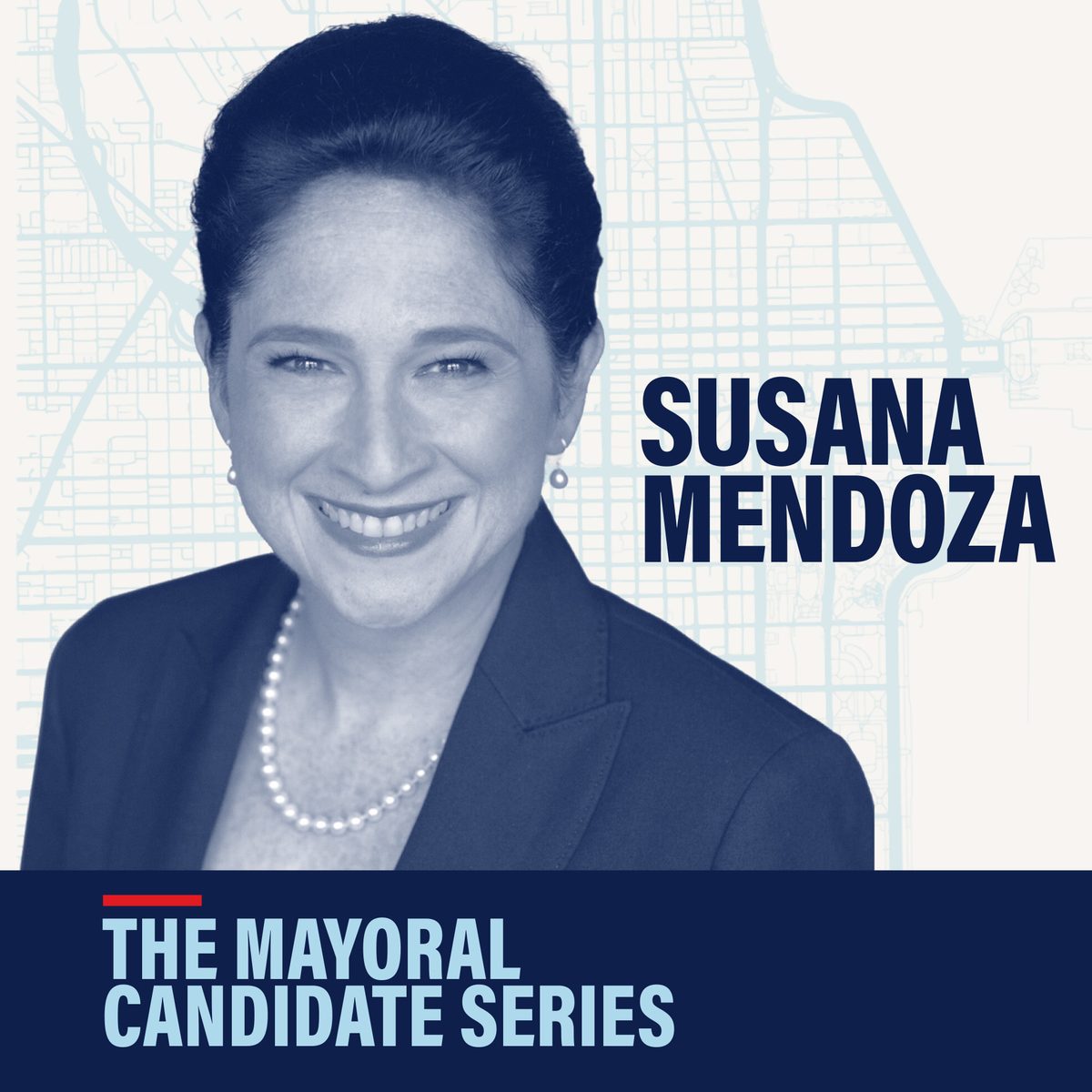
    Comptroller Susana Mendoza announces her candidacy, running to Johnson's right on crime.

  8. Quigley announces intent to run

    Announcement

    U.S. Rep. Mike Quigley announces he will seek the mayor's office, promising a pro-business agenda.

  9. Holberg first into the race

    Announcement

    Entrepreneur Joe Holberg becomes the first candidate to formally enter the mayor's race.

Scenarios

1

Giannoulias Elected Mayor of Chicago

Likely Resolves by Apr 6, 2027

Discussed by: Chicago Sun-Times; campaign operatives including Hana Jubeh and Victor Reyes, who expect Giannoulias to narrow the field for a first-round win

Giannoulias's $19.3 million war chest and polling lead let him win outright Feb. 23 or survive the April 6 runoff. His campaign filed a petition challenge against attorney William Quinlan on Nov. 2.

2

Mendoza or Another Challenger Wins the Runoff

Possible Resolves by Apr 6, 2027

Discussed by: Early polling showing Mendoza and Giannoulias leading; WTTW coverage of union endorsements breaking against Johnson

If Giannoulias's petition challenges fail or backfire, voters split the vote and force a runoff between two challengers. Mendoza's centrist, tough-on-crime positioning and her targeting of police and firefighter wards give her a distinct base, while Quigley or Pappas could consolidate the north lakefront.

3

Johnson Defies Polls, Wins Second Term

Unlikely Resolves by Apr 6, 2027

Discussed by: Johnson's campaign; his 2023 comeback as a runoff underdog; New York Times noted his difficult path but did not rule out a win

Despite approval near 30% and a fundraising gap, Johnson could benefit from a divided opposition or petition challenges removing his strongest rivals. A runoff consolidating progressive support — the same coalition that elected him in 2023 — could deliver another narrow win.

4

Petition Challenge Knocks a Major Candidate Off the Ballot

Likely Resolves by Dec 17, 2026

Discussed by: Chicago Sun-Times reporting that campaign managers and veteran operatives expect the field to shrink; Wilson operative Ricky Hendon; Giannoulias campaign manager Hana Jubeh

The challenge period closed Nov. 2 with objections against Johnson, Mendoza, Giannoulias, Quigley, Pappas, Nee and others. With the threshold at 12,500 valid signatures, candidates who filed 26,000-31,000 could lose enough on line-by-line review to be removed. Hearings begin Nov. 9.

Historical Context

3 moments from history that rhyme with this story — and how they unfolded.

1995-1996

Obama unseats Alice Palmer via petition challenge (1995-1996)

In 1995, state Sen. Alice Palmer planned to run for Congress, freeing her state Senate seat for Barack Obama, then a young lawyer. When Palmer's congressional bid failed and she tried to reclaim her seat, Obama challenged the validity of her nominating petitions. He succeeded, and Palmer was removed from the ballot, leaving Obama to win the seat unopposed.

Then

Obama took the Senate seat in January 1997 without facing Palmer in the primary.

Now

The petition victory launched Obama's political career, eventually leading to the presidency.

Why this matters now

It remains Chicago's most famous example of a race decided by signature challenges — the tactic every 2027 campaign is now preparing for.

February-April 2019

2019 Chicago mayoral election (February-April 2019)

Mayor Rahm Emanuel declined to seek a third term, opening a 14-candidate free-for-all. Lori Lightfoot and Toni Preckwinkle finished atop the Feb. 26 first round and faced an April 2 runoff, which Lightfoot won with about 74% of the vote — becoming the first Black woman and first openly gay person to lead Chicago.

Then

Lightfoot took office promising reform but faced a city fiscal crisis and police scandals.

Now

She lost re-election in 2023 after one term, illustrating Chicago's quick turnover of mayors.

Why this matters now

A crowded, open field can produce runoff finalists nobody expected — a plausible 2027 outcome if challenges don't narrow the field.

February-April 2023

2023 Chicago mayoral election (February-April 2023)

In a crime-focused race, Brandon Johnson — a progressive organizer and Cook County commissioner backed by the teachers union — advanced from a nine-candidate first round to face Paul Vallas in the runoff. Johnson won with about 52%, a narrow margin that surprised many after Vallas led the first round.

Then

Johnson became mayor, moving City Hall left on taxes and housing policy.

Now

His term has seen approval ratings near 31%, leaving him vulnerable in 2027.

Why this matters now

Johnson won as an underdog through a runoff; the same path could carry him to a second term or hand challengers the opening to unseat him.

Sources

(7)