
Pull to refresh
Logo
Hooters closes River North location after 35 years

Hooters closes River North location after 35 years

Money Moves Chicago, IL local

Sports bar chain says development and neighborhood changes ended its run at 660 N. Wells Street

Overview

Updated Oct 24

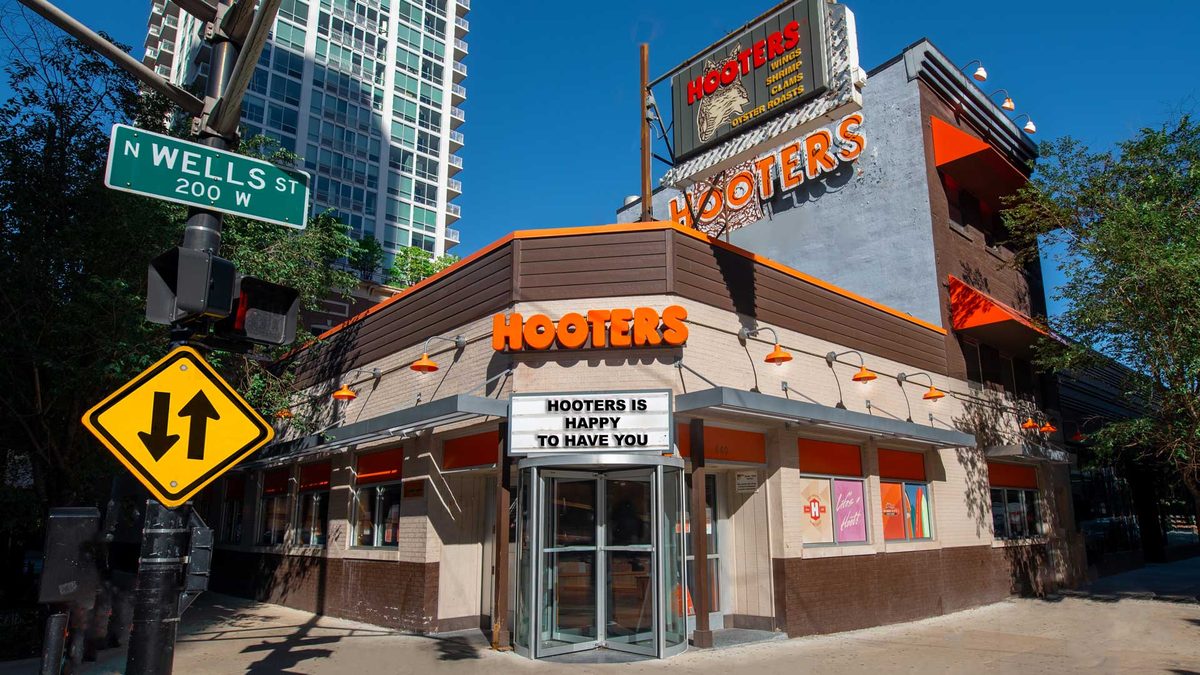
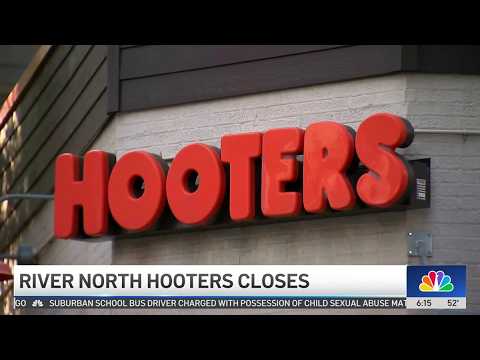
The Hooters at 660 N. Wells Street in River North closed in October 2026 after 35 years. A company spokesperson blamed "increasing development and neighborhood changes." True Food Kitchen and Sugar Factory, both nearby, have also closed.

The River North exit is part of a national contraction. Hooters of America filed for Chapter 11 in March 2025 with about $376 million in debt, and its original founders bought back more than 100 company-owned stores that November. Two Atlanta-area Hooters closed in October as well, and CEO Neil Kiefer says the turnaround will take time.

Why it matters

River North's turnover shows how rising rents and redevelopment push out long-running restaurants, even chains with three decades of name recognition.

Last Monday's email for Chicago, IL

Sent Nov 9. It carried:

Get next Monday's: one short email a week. Free. Unsubscribe in one click.

Questions about this story

Free account needed to ask — your question is kept and asked for you right after sign-up. Answers are public.

No questions yet — be the first to ask.

Key Indicators

35
Years the Wells Street location operated
Opened 1991, closed October 2026.
15
Hooters-affiliated locations remaining in Chicago area
13 franchise restaurants plus 2 Hoots Wings, per the company.
$376M
Debt at the March 2025 bankruptcy filing
Hooters of America filed Chapter 11 in the Northern District of Texas on March 31, 2025, owing roughly $376 million.

Voices

Curated perspectives — historical figures and your fellow readers.

Sign up to generate historical perspectives on this story.

People Involved

Organizations Involved

Timeline

1991 October 2026

6 events Latest: October 22nd, 2026 · 3 weeks ago
Tap a bar to jump to that date
  1. River North Hooters closes after 35 years

    Latest Closure

    The Wells Street location shuts, citing development and neighborhood changes.

  2. Hooters closes two Atlanta-area restaurants

    Closure

    The Kennesaw and Conyers locations shut permanently, leaving two Hooters in metro Atlanta, in Cartersville and Buford.

  3. Founders buy back more than 100 Hooters stores

    Ownership

    Hooters Inc. and franchisee Hoot Owl Restaurants completed a buyback of more than 100 corporate-owned stores out of bankruptcy, returning the brand to its founding group.

  4. Wells Street building sells for about $4.1 million

    Real estate

    Cook County records cited by USAKIM show the 660 N. Wells St. building sold in October 2025 for about $4.1 million to GW Wells LLC, a Florida-based entity.

  5. Hooters of America files for Chapter 11 bankruptcy

    Bankruptcy

    The parent company filed in the Northern District of Texas with about $376 million in debt, leading to dozens of store closures nationwide.

  6. Hooters opens in River North

    Opening

    The sports bar opens at 660 N. Wells Street.

Scenarios

1

Hooters exits the Chicago market entirely

Unlikely Resolves by Oct 22, 2028

Discussed by: Chicago business reporters tracking the chain's post-bankruptcy retrenchment

If development pressure and rising costs hit the remaining franchise locations the way they hit River North, the chain could close more stores. The company says its other Chicago-area locations remain open, but real estate costs in the region continue to climb. Another bankruptcy-related closure wave would signal a full local exit.

2

New tenant or development announced for 660 N. Wells Street

Likely Resolves by End of 2027

Discussed by: Real estate reporters at Crain's Chicago Business and Block Club Chicago

The site sits on a busy commercial corridor in one of Chicago's densest neighborhoods. With the building now empty, a landlord is likely to market the space to a new restaurant or retail tenant, or sell it for redevelopment. River North has seen sustained development in recent years, so the vacancy probably won't last long.

3

Remaining Chicago Hooters locations hold steady

Possible Resolves by Oct 22, 2027

Discussed by: Hooters corporate communications

The company has said its other Chicago-area locations are unaffected and remain open. If the post-bankruptcy restructuring holds and franchisees keep their leases affordable, no further local closures would follow. The River North closing could be a one-off rather than the start of a wider pullback.

4

Founder-led turnaround returns Hooters to growth

Possible Resolves by End of 2027

Discussed by: Hooters CEO Neil Kiefer and the founding group behind the 2025 buyback

The founders say a return to the chain's older beach-themed look, a butter-based wing sauce and a shorter menu can fix the business. Restaurants run by the founder-led group in Florida and Illinois averaged about $4.6 million in sales each in 2024, according to Restaurant Business. If that model travels to the rest of the chain, closures could slow and new restaurants could follow.

Historical Context

2 moments from history that rhyme with this story — and how they unfolded.

May 2024

Red Lobster bankruptcy (2024)

Red Lobster filed for Chapter 11 bankruptcy after years of losses, including a costly all-you-can-eat shrimp promotion. The chain closed about 100 locations within weeks of filing.

Then

Red Lobster's assets were sold, and the chain reemerged under new ownership with far fewer restaurants.

Now

The case became one of the largest casual dining bankruptcies in recent years and a warning about relying on discount promotions.

Why this matters now

Hooters is following the same pattern: bankruptcy, mass closures, then survival with a smaller footprint.

November 2024

TGI Fridays bankruptcy (2024)

TGI Fridays filed for Chapter 11 after closing dozens of locations earlier that year. The chain cited high operating costs and changing consumer habits.

Then

The company sold its corporate operations to new owners and emerged from bankruptcy as a much smaller brand.

Now

The restructuring became a template for legacy casual dining chains facing similar pressure.

Why this matters now

Both chains show how once-ubiquitous sit-down restaurants must shrink to survive shifting dining habits and rising costs.

Sources

(7)