0
How does it work?
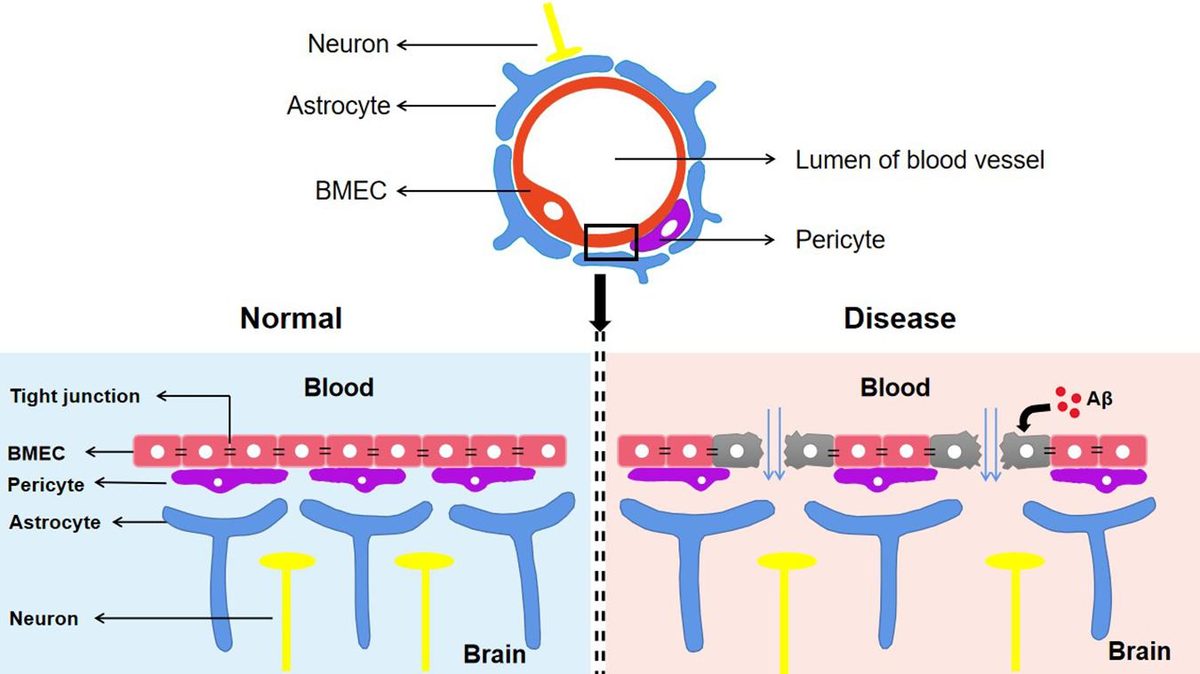
Cu(ATSM) restores P-glycoprotein pumps at the blood-brain barrier — the drain valves that normally flush amyloid-beta out of the brain — which Alzheimer's progressively breaks down.
Why it matters: This is a fundamentally different angle than approved antibody drugs like lecanemab, which attack plaques already formed; Cu(ATSM) targets the clearance failure upstream of the buildup.
- P-glycoprotein (P-gp) is a transporter protein embedded in the blood-brain barrier; it acts as an efflux pump, actively pushing amyloid-beta out of brain tissue and into the bloodstream for disposal.
- In Alzheimer's, P-gp levels fall, so amyloid-beta accumulates — Cu(ATSM) is a small copper-carrying molecule that crosses the barrier and increases P-gp abundance by roughly 24%, effectively reopening the drain.
- With drainage restored, amyloid-beta concentration in treated mice dropped ~42% over 56 days and spatial learning improved ~44%, per the Monash team's ACS Chemical Neuroscience paper.
- The 'ATSM' ligand (diacetyl bis(4-methylthiosemicarbazone)) is what lets the compound slip through the blood-brain barrier and deliver copper intracellularly; copper itself plays a role in reducing oxidative stress that suppresses P-gp expression.
Room for disagreement
- Some researchers argue the amyloid-clearance hypothesis still doesn't explain why approved antibody drugs (lecanemab, donanemab) produce only modest cognitive benefits even when they clear plaques — a result that makes any amyloid-reduction story, including this one, harder to interpret as a definitive treatment signal until human trials run.
AI-generated with web search — may be wrong. Check the linked sources.