

Pull to refresh
Logo
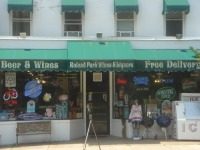
Roland Park Wines & Liquors cleared to open in Baltimore

Roland Park Wines & Liquors cleared to open in Baltimore

Money Moves Baltimore, MD local

Neighborhood shop clears permit and license transfer for package-goods sales

August 14th, 2026: Liquor license transferred

Overview

Updated Aug 28

A Baltimore liquor store has the city's approval to operate. On August 14, Baltimore transferred the package-goods liquor license for 4032 Roland Avenue, eight days after issuing a use-and-occupancy permit that allows retail alcohol sales at the address.

The two filings clear a shop that has anchored the Roland Park block for years to change hands and keep selling. The license's key limit: the store can sell bottles to take home, but cannot pour drinks on-site.

Why it matters

For Roland Park residents, the approval keeps a neighborhood wine and beer shop operating instead of leaving the block's anchor empty.

Questions about this story

Free account needed to ask — your question is kept and asked for you right after sign-up. Answers are public.

No questions yet — be the first to ask.

Key Indicators

2
Permit and license records filed
A use-and-occupancy permit and a package-goods liquor license transfer, filed between August 6 and August 14, 2026.
Package goods only
License type
Allows off-premises bottle sales but not drinking on-site.

Voices

Curated perspectives — historical figures and your fellow readers.

Ever wondered what historical figures would say about today's headlines?

Sign up to generate historical perspectives on this story.

Organizations Involved

Timeline

2 events Latest: August 14th, 2026 · 4 weeks ago
  1. Liquor license transferred

    Latest Licensing

    City transfers package-goods-only liquor license, clearing the store to operate.

  2. Use-and-occupancy permit issued

    Permit

    Baltimore allows retail goods establishment with alcohol sales at 4032 Roland Avenue.

Scenarios

1

Store reopens, resumes Friday tastings

Likely Resolves by End of 2026

Discussed by: The shop's website (rolandpark.com) and Baltimore City open data records

With both filings on record, nothing blocks the store from opening. The likely path is a quiet reopening under the new license and a return to the Friday tasting schedule the shop has run for years. City records would show continued operation, and the shop would list upcoming events online.

2

Opening delayed by renovations or logistics

Possible Resolves by End of 2026

Discussed by: Local retail watchers on Baltimore neighborhood forums

A license transfer is an administrative step; the physical store still has to be ready. If the new owner remodels, restocks, or handles staffing before opening, the doors stay shut past the holidays. The store remains registered but silent.

3

License transfer challenged or revoked

Unlikely Resolves by End of 2026

Discussed by: Baltimore City Liquor License Board procedures

Baltimore allows challenges to license transfers within a short window after approval. A neighboring complaint or a board finding could suspend or revoke the transfer, forcing the store to reapply. This is the uncommon path but a real procedural risk in city licensing.

Historical Context

One moment from history that rhymes with this story — and how it unfolded.

January 1919 – December 1933

Prohibition and Repeal (1919-1933)

The 18th Amendment banned the manufacture and sale of alcohol nationwide in 1920. Thirteen years later, the 21st Amendment repealed it, and states scrambled to build licensing systems that decided who could sell alcohol, where, and under what conditions.

Then

Each state created its own license categories; Maryland split sales into on-premises and package (off-premises) classes.

Now

That framework still governs today. A package-goods license permits bottle sales to take home but forbids drinking on-site, the same distinction the city applied to 4032 Roland Avenue.

Why this matters now

Explains why the store needs both a use-and-occupancy permit and a transferred license, and why 'package goods only' is the operative restriction.

Sources

(4)