
Pull to refresh
Logo
Invasive hydrilla stops spreading in Lake Austin after grass carp program

Invasive hydrilla stops spreading in Lake Austin after grass carp program

New Capabilities Austin, TX local

City releases 7,091 more sterile carp as hydrilla growth stalls; the target is 10 to 30 percent lake coverage

Overview

Updated Oct 31

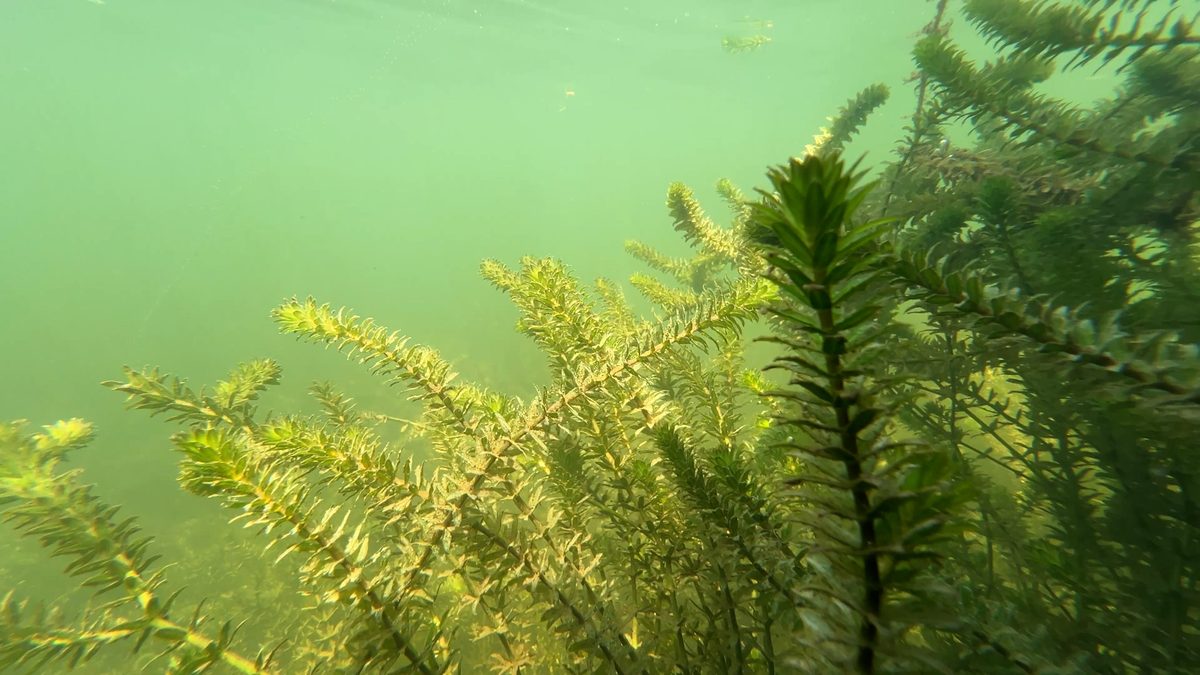
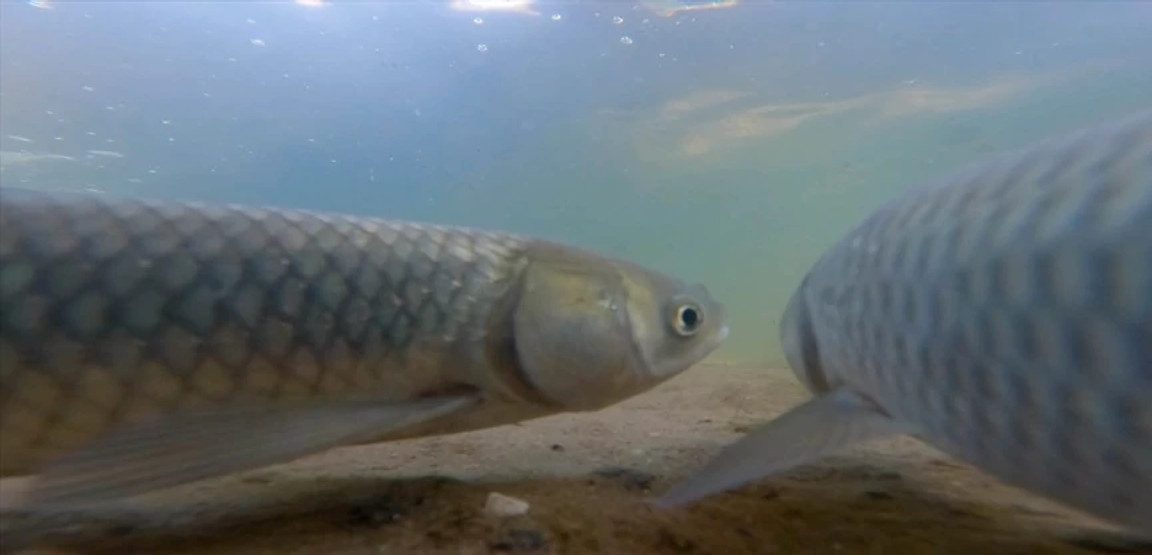
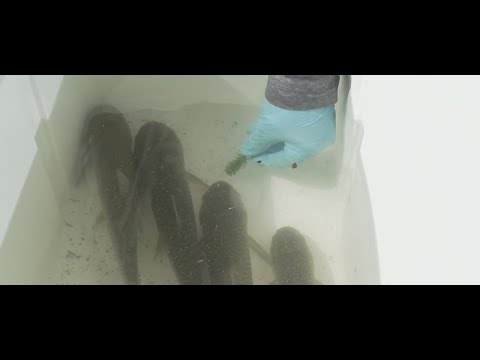
Hydrilla, an invasive underwater weed, has stopped spreading in Lake Austin. The state's September survey found 575 acres, the same as in June. On October 29, the city released 7,091 sterile grass carp near Jessica Hollis Park, Walsh Boat Ramp and Bull Creek. One batch of 1,000 went upstream at Bull Creek, where dense weed still blocks boats.

A city model built on 15 years of lake data sets the stocking numbers. It aims to shrink the weed without repeating the 2013 over-stocking that wiped out the lake's plants. Officials say progress will be slow and expect to recheck the model after each survey. The Bull Creek homeowners group says any mechanical removal would not start before December 2026.

Why it matters

Lake Austin supplies drinking water to Austin; unchecked hydrilla can clog boat motors, crowd out native plants and degrade water quality.

Last Monday's email for Austin, TX

Sent Nov 9. It carried:

Get next Monday's: one short email a week. Free. Unsubscribe in one click.

Questions about this story

Free account needed to ask — your question is kept and asked for you right after sign-up. Answers are public.

No questions yet — be the first to ask.

Key Indicators

575 acres
Hydrilla coverage in Lake Austin
September 2026 survey; coverage stable since June.
7,091
Grass carp released October 29, 2026
Brings total stocked since June 2025 to about 12,234.
99 acres
Eurasian watermilfoil coverage
Up from 76 acres in the June survey.

Voices

Curated perspectives — historical figures and your fellow readers.

Sign up to generate historical perspectives on this story.

People Involved

Organizations Involved

Timeline

2003 October 2026

12 events Latest: October 29th, 2026 · 1 week ago Showing 8 of 12
Tap a bar to jump to that date
  1. 7,091 grass carp released in Lake Austin

    Latest Management

    The city released sterile carp near Jessica Hollis Park, Walsh Boat Ramp and Bull Creek. The city says the stocking should set the lake on a path toward less hydrilla.

  2. City memo reports hydrilla growth has plateaued

    Monitoring

    Watershed Protection releases data showing the invasive species has stopped spreading in Lake Austin.

  3. City cancels Oct. 12 Lake Austin drawdown

    Management

    After business concerns, the city canceled the drawdown planned for Oct. 12 through Nov. 30. LCRA had said winter drawdowns are not an option.

  4. Survey finds 575 acres of hydrilla

    Monitoring

    Texas Parks and Wildlife survey shows coverage stable since June; Eurasian watermilfoil at 99 acres.

  5. 2,790 grass carp added

    Management

    Third stocking brings total to 5,143 fish.

  6. 1,995 grass carp added

    Management

    Second stocking of the resumption program.

  7. 358 grass carp added

    Management

    First small batch of sterile carp released in July.

  8. City resumes grass carp stocking

    Management

    Hydrilla rebounded to near-record levels; Austin restarts a cautious carp stocking program.

  9. Native vegetation begins rebounding

    Ecosystem

    Aquatic plants return to the lake after years of near-zero vegetation.

  10. Carp eat all vegetation; fishery collapses

    Ecosystem

    Over-stocked carp consume all aquatic plants, triggering algae blooms and habitat loss for nearly a decade.

  11. Carp stocking ramps up amid drought

    Management

    Extended drought fuels hydrilla growth; city sharply increases carp stocking to compensate.

  12. City first stocks grass carp in Lake Austin

    Management

    Austin begins using sterile grass carp to control hydrilla.

Scenarios

1

Fall carp stocking cuts hydrilla toward target range

Likely Resolves by Nov 1, 2027

Discussed by: Austin Watershed Protection Department (predictive model projections)

The planned stocking of about 7,000 sterile carp this fall brings the lake's total population to one-third of the 2013 peak. The predictive model indicates this should set the lake on a path toward the target of 10-30 percent vegetation coverage. If the model holds, the next vegetation survey in 2027 would show whether hydrilla acreage declines from 575 acres while native plants survive.

2

Plateau breaks; hydrilla expands again

Possible Resolves by Nov 1, 2027

Discussed by: Patrick Ireland, TPWD fisheries biologist (environmental variability)

Environmental factors outside the city's control—rainfall, flows from Lake Travis, nutrient loads—could fuel continued hydrilla growth despite the carp. The model itself shows wide variation in how long reduction might take. If weather favors the weed, the plateau could give way to expansion beyond 575 acres.

3

Over-stocking repeats 2013 vegetation collapse

Unlikely Resolves by Nov 1, 2027

Discussed by: Brent Bellinger, Austin Watershed Protection (explicit caution against repeat)

If the fall stocking overshoots the lake's carrying capacity, the carp could consume native vegetation along with hydrilla—repeating the 2013 collapse. The city says the post-stocking population will be only one-third of the 2013 peak, but the model's wide error bars leave room for error. Native plants like eelgrass and coontail would be the first casualty.

4

Bull Creek mechanical hydrilla removal starts in early 2027

Possible Resolves by Q1 2027

Discussed by: Courtyard HOA Bull Creek Hydrilla Program

The HOA's program has evaluated contractors for limited hydrilla removal in the park lagoon, connecting channels and dock areas. It says any mechanical removal would begin no sooner than December 2026 or early 2027, so the new carp have time to settle in.

Historical Context

2 moments from history that rhyme with this story — and how they unfolded.

2011-2014

Lake Austin carp over-grazing (2011-2014)

To fight a hydrilla outbreak during a severe drought, Austin sharply increased grass carp stocking. By 2014, the fish had eaten all vegetation in the lake, including native plants.

Then

The lake had no aquatic vegetation for nearly a decade, causing plankton blooms, loss of fish habitat, and a collapse of the fishery.

Now

The episode became a cautionary tale that shaped the city's cautious, incremental approach to carp stocking.

Why this matters now

The current program explicitly aims to avoid a repeat of this over-stocking; the fall stocking will bring the total population to only one-third of the 2013 peak.

1990s

Water hyacinth in Lake Victoria (1990s)

Water hyacinth, a fast-growing floating weed from South America, spread across Lake Victoria in East Africa, covering large areas and disrupting fishing and transport.

Then

Mechanical removal and chemical spraying proved expensive and ineffective at large scale.

Now

Biocontrol with weevils beginning in the late 1990s gradually reduced the weed, though it remains a recurring problem requiring ongoing management.

Why this matters now

Shows biological control can work for aquatic weeds, but takes time and needs steady monitoring to avoid unintended consequences.

Sources

(9)