
Pull to refresh
Logo
Migrant boat capsizes off Djibouti in deadliest recorded shipwreck on the route

Migrant boat capsizes off Djibouti in deadliest recorded shipwreck on the route

Force in Play

139 dead, 84 missing after overloaded boat sinks off Djibouti; most survivors opt to return to Ethiopia

Overview

Updated Oct 20

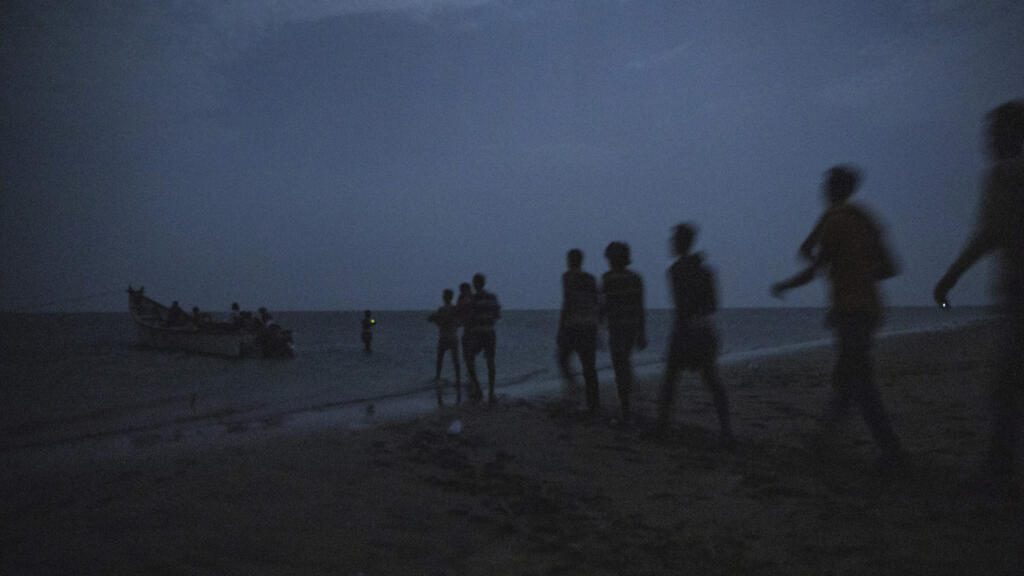
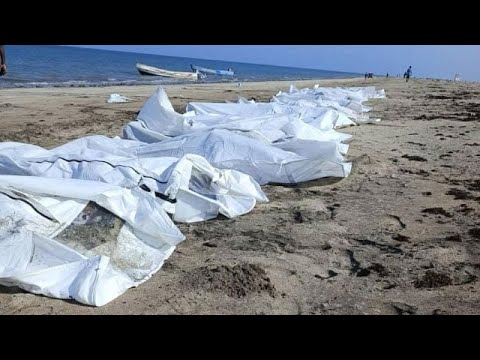
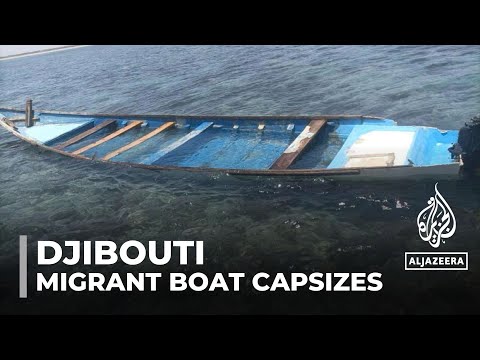
The International Organization for Migration said on October 18 that 139 people died when the boat sank near Guhere, north of Obock, on the night of October 8. Another 84 are still missing, and about 82 survived, all Ethiopian nationals.

Regional IOM director Frantz Celestin told CNN that most of the dead were buried in mass graves because they could not be identified quickly, and that many survivors have pneumonia. Most survivors have chosen to return to Ethiopia, he said. Djibouti is also handling reverse flows: more than 3,700 Yemeni refugees arrived after September 10, while 539 Ethiopian migrants returned, IOM said.

Why it matters

The Eastern Route kills hundreds of migrants yearly; this wreck is its deadliest single disaster, and Yemen's renewed war is pushing more people onto it.

Questions about this story

Free account needed to ask — your question is kept and asked for you right after sign-up. Answers are public.

No questions yet — be the first to ask.

Key Indicators

139
Confirmed dead
Toll revised upward from 109 as more bodies were recovered; IOM said on October 18 that 84 people remain missing.
84
Missing
Feared dead after the October 8-9 capsizing; IOM says it does not expect to find many survivors.
305
People on board
Heading from Djibouti to Yemen; some initial reports put the figure near 350.
82
Survivors
All Ethiopian nationals; about 62 are housed at IOM's Obock centre, many with pneumonia.
20,000+
Movements into Djibouti since Sept 10
Incoming crossings from Ethiopia tracked by IOM's Displacement Tracking Matrix.
177,000
Arrivals from Ethiopia, Jan-early Oct
People who reached Djibouti from Ethiopia by early October, per IOM; the 2025 total was about 202,000.
3,700+
Yemeni refugees into Djibouti
Arrived from Yemen since September 10, IOM said, as fighting there displaces people in both directions.

Voices

Curated perspectives — historical figures and your fellow readers.

Sign up to generate historical perspectives on this story.

People Involved

Organizations Involved

Timeline

2025 October 2026

8 events Latest: October 18th, 2026 · 3 weeks ago
Tap a bar to jump to that date
  1. IOM reports reverse flows as toll holds at 139

    Latest Statement

    IOM says more than 3,700 Yemeni refugees have reached Djibouti since September 10 and 539 Ethiopian migrants have returned from Yemen; more than 3,000 migrants were seen stranded along Djibouti routes between September 20 and 30.

  2. IOM says most victims buried in mass graves

    Statement

    Regional director Frantz Celestin tells CNN that most of the 139 dead were buried quickly without identification; 62 survivors are at IOM's Obock centre, many with pneumonia, and most have chosen to return to Ethiopia.

  3. IOM confirms 109 dead, 116 missing

    Statement

    Agency calls it the deadliest shipwreck off Djibouti; search and rescue continues.

  4. Boat with over 300 capsizes off Guhere

    Incident

    Vessel heading Djibouti to Yemen sank near Guhere, north of Obock, during the night.

  5. Report: Bab el-Mandeb route busier than Mediterranean

    Report

    IOM counted nearly 64,000 crossings from Africa to Yemen in the first four months of 2026, compared with just over 23,000 across the Mediterranean's three main routes; 177,000 people reached Djibouti from Ethiopia by early October.

  6. IOM tracks surge of movements from Ethiopia

    Trend

    More than 20,000 incoming movements to Djibouti from Ethiopia observed since this date.

  7. Earlier shipwreck off Djibouti kills 9

    Incident

    A March capsizing left 9 dead and 45 missing, per IOM's Missing Migrants Project.

  8. Over 900 deaths recorded along Eastern Route

    Trend

    IOM's Missing Migrants Project logged more than 900 dead or missing; movement numbers rose 18%.

Scenarios

1

Search and rescue recovers more bodies, final toll tops 150

Possible Resolves by End of 2026

Discussed by: IOM and Djiboutian authorities

With 116 people still missing, recovery operations off Guhere could push the confirmed death toll well above the initial count. IOM and the Djiboutian government are both still conducting search and rescue, and survivors' accounts suggest the boat may have carried up to 350 people, more than the official 305.

2

Eastern Route crossings keep rising despite the disaster

Likely Resolves by Q1 2027

Discussed by: IOM Displacement Tracking Matrix

Past shipwrecks have not stopped the flow: over 900 people died along the route in 2025 yet crossings rose 18%. Renewed fighting in Yemen and an escalation in Ethiopia are both push factors. IOM's tracking shows more than 20,000 movements into Djibouti in the month before the wreck, suggesting the tragedy will not deter new departures.

3

Donors expand funding for Djibouti's migrant response

Possible Resolves by Q2 2027

Discussed by: IOM

IOM has urged donors to strengthen support for Djibouti's response, including search and rescue and life-saving assistance. The agency says needs are growing and funding is limited. A record shipwreck could push international donors toward new commitments, as past disasters have done in the Mediterranean.

Historical Context

2 moments from history that rhyme with this story — and how they unfolded.

October 2013

Lampedusa shipwreck (October 2013)

A boat carrying more than 500 Eritrean and Somali migrants from Libya caught fire and sank near Lampedusa, Italy, killing over 360. It was one of the deadliest single disasters in Mediterranean migration history.

Then

Italy launched Mare Nostrum, a large naval search-and-rescue operation that patrolled the central Mediterranean.

Now

The disaster forced Europe to confront migrant deaths at sea and shaped a decade of rescue policy, though the operation later ended amid funding disputes.

Why this matters now

Like today's Djibouti wreck, a single shipwreck became a symbol of a migration corridor's human cost and pushed governments toward a visible response.

June 2023

Pylos shipwreck (June 2023)

A fishing trawler carrying up to 750 migrants from Libya capsized off Pylos, Greece. Only around 104 people survived; hundreds drowned in one of the worst Mediterranean disasters on record.

Then

Greek authorities faced international criticism over how the distress call was handled.

Now

The case underscored that heavily monitored routes still produce mass-death shipwrecks when rescue coordination fails.

Why this matters now

Shows that sea crossings remain lethal even where coast guards and border agencies are nearby; Djibouti's wreck is the Eastern Route's equivalent.

Sources

(13)