

Pull to refresh
Logo
USDA's largest-ever rural loan funds gas plant near Google data center

USDA's largest-ever rural loan funds gas plant near Google data center

Built World

The Smarr combined-cycle plant is the biggest single award in USDA rural-lending history, and it sits near a Google data-center site.

Overview

Updated Oct 20

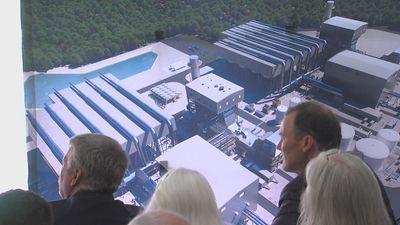
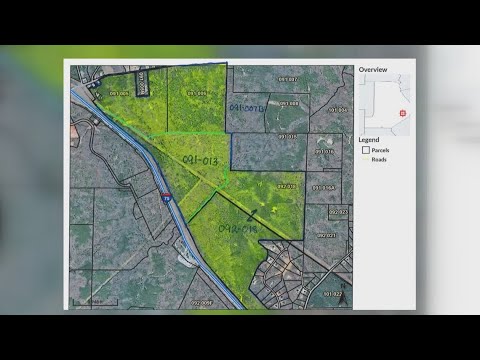
The U.S. Department of Agriculture lent a Georgia electric cooperative $3.3 billion to help finish a 1.4-gigawatt natural-gas plant, the largest loan in Rural Utilities Service history. The plant is going up about half a mile from land Google bought for a data center.

Oglethorpe Power says the plant will supply its 38 member cooperatives and the roughly 4.7 million Georgians they serve. A Kiewit subsidiary is building it, and commercial operation is planned for 2029. The 6.3 percent loan saves the co-ops about $25 million a year. USDA's rural development chief has said data centers could benefit.

Why it matters

Cheap federal loans meant for rural ratepayers may end up financing power that AI data centers consume.

Questions about this story

Free account needed to ask — your question is kept and asked for you right after sign-up. Answers are public.

No questions yet — be the first to ask.

Key Indicators

$3.3B
USDA Rural Utilities Service loan
Largest single loan in the program's history, at roughly 6.3% interest over 30 years.
1,425 MW
Plant capacity
Two-unit Smarr combined-cycle gas plant, enough to power about 800,000 homes.
$25M/yr
Annual interest savings
Oglethorpe says the federal financing saves member cooperatives this much compared to market rates.
38
Member distribution cooperatives
Oglethorpe sells wholesale power to 38 co-ops serving nearly 5 million Georgians.
$8.6B
Pending RUS loan requests
USDA's rural development chief said this much was requested in the first month of the fiscal year.

Voices

Curated perspectives — historical figures and your fellow readers.

Sign up to generate historical perspectives on this story.

People Involved

Organizations Involved

Timeline

2025 2029

8 events Latest: October 19th, 2026 · 3 weeks ago
Tap a bar to jump to that date
  1. Smarr plant expected to open

    Upcoming Construction

    Oglethorpe expects the two-unit plant to begin commercial operation.

  2. Analysis questions rural vs. AI purpose

    Latest Media

    Construction Review published reporting asking whether the plant serves rural customers or AI-driven data-center demand.

  3. USDA official says plant could benefit data centers

    Statement

    USDA rural development chief Chris Smith told Reuters the plant could potentially serve data centers; Oglethorpe denied it is dedicated to one.

  4. USDA announces record $3.3B rural loan

    Policy

    Agriculture Secretary Brooke Rollins announced the largest loan in Rural Utilities Service history to help finance the Smarr plant.

  5. Kiewit subsidiary picked to build Smarr plant

    Construction

    Oglethorpe named Kiewit's TIC unit its engineering, procurement and construction partner for the 1,425-megawatt plant, put the capital investment above $3 billion and targeted commercial operation in 2029.

  6. Oglethorpe begins site work on Smarr plant

    Construction

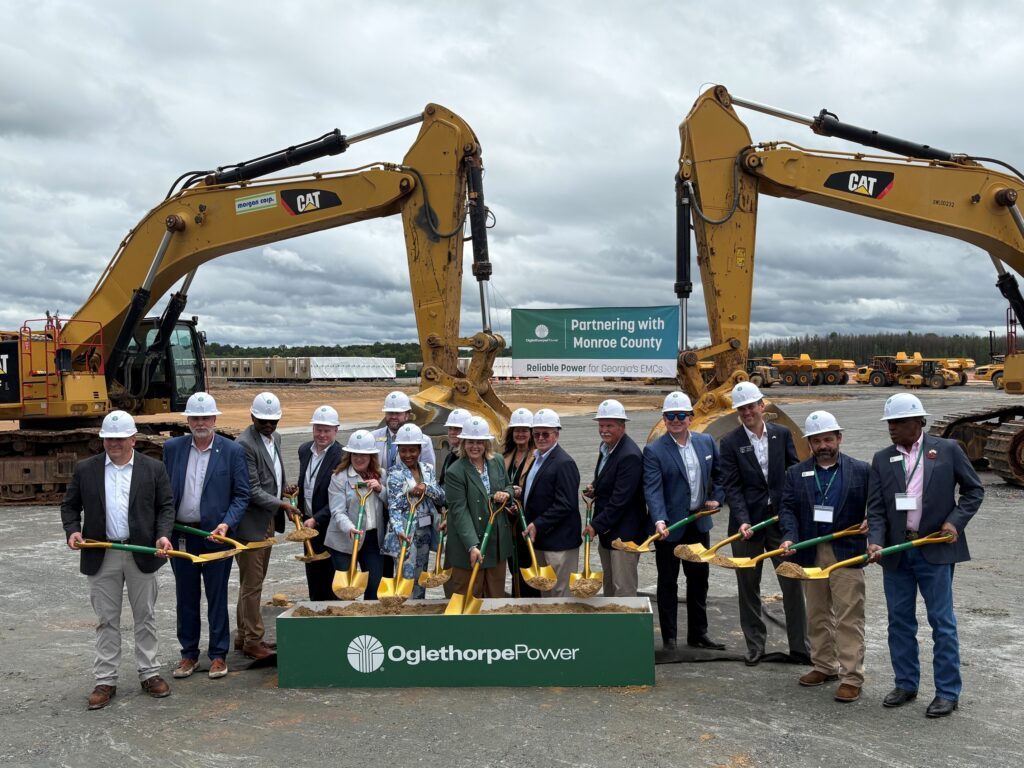
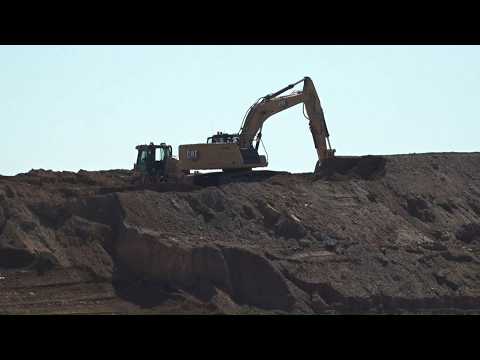
    Crews started onsite work in September 2025, LCG Consulting reported. The cooperative later held a formal groundbreaking at the graded site off Rumble Road in Monroe County.

  7. GE Vernova turbines chosen for the plant

    Construction

    Oglethorpe selected GE Vernova's 7HA.03 gas turbines for the two combined-cycle blocks, per LCG Consulting. The design uses air-cooled condensers instead of cooling towers to cut water use.

  8. Google buys Monroe County land

    Corporate

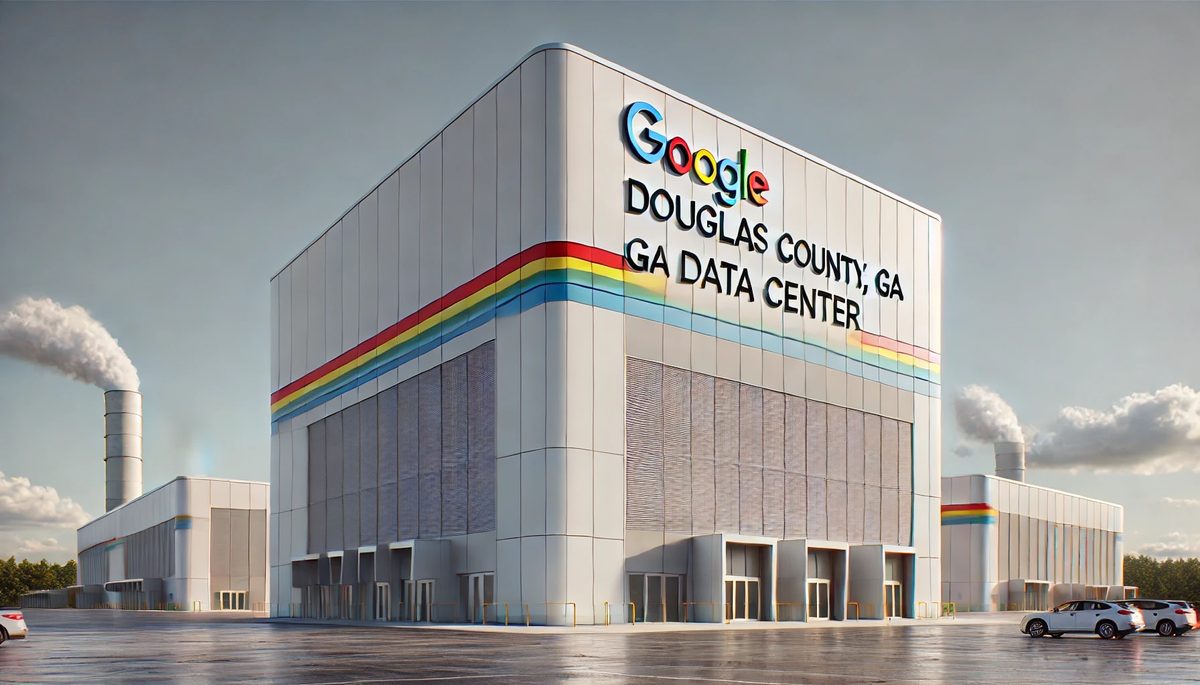
    Google purchased nearly 1,000 acres in Monroe County, about half a mile from the future Smarr plant site, for a data center.

Scenarios

1

Smarr plant comes online in 2029 serving cooperative members

Likely Resolves by End of 2029

Discussed by: USDA, Oglethorpe Power

The plant finishes construction and begins selling wholesale power to the 38 member cooperatives. The federal loan's low interest rate trims roughly $25 million a year from financing costs, which flows back into member electric bills. Data-center demand stays on Georgia Power's side of the grid.

2

Data center locks up a named share of Oglethorpe generation

Possible Resolves by End of 2027

Discussed by: Reuters, Construction Review

Proximity plus AI load pulls a data-center developer toward the plant's power. A member cooperative or Oglethorpe signs a large supply contract tied to a specific data-center customer, shifting a meaningful share of output from household load to industrial load. The co-op's low-cost federal financing effectively backs that contract.

3

RUS loan pipeline expands for AI-era generation

Possible Resolves by Q3 2027

Discussed by: USDA Rural Development chief Chris Smith

With $8.6 billion in RUS loan requests already on file one month into the fiscal year, Congress appropriates more money and the agency approves further large fossil-generation loans in states facing data-center load. The Smarr loan becomes the template, not the exception.

Historical Context

2 moments from history that rhyme with this story — and how they unfolded.

1935-1936

Rural Electrification Act (1936)

The New Deal created the Rural Electrification Administration, lending at low interest to cooperatives to wire farms that private utilities refused to serve. In 1935, roughly 10% of U.S. farms had electricity; by 1950, about 90% did.

Then

Cooperatives built distribution lines across the countryside, and rural power became standard.

Now

The program evolved into today's Rural Utilities Service, still lending cheap federal money to electric cooperatives.

Why this matters now

The Smarr loan is the same subsidy mechanism deployed for a purpose the New Dealers never faced: a gas plant half a mile from an AI data center.

2010-2025

Virginia's data-center power crunch (2010s-2020s)

Northern Virginia's Loudoun County became the world's largest data-center cluster. Dominion Energy's load forecasts exploded, utilities built gas and transmission to keep up, and residents pushed back on rate increases and new lines.

Then

The region hosts most of the world's internet traffic, and power demand there keeps rising.

Now

The pattern — demand forecasts racing ahead of grids, residents paying for capacity others consume — is now repeating across the Southeast.

Why this matters now

Georgia is following the Virginia path, with Georgia Power planning a 50% capacity expansion and data centers clustering around new generation. The Smarr loan is the rural cooperative version of that buildout.

Sources

(8)